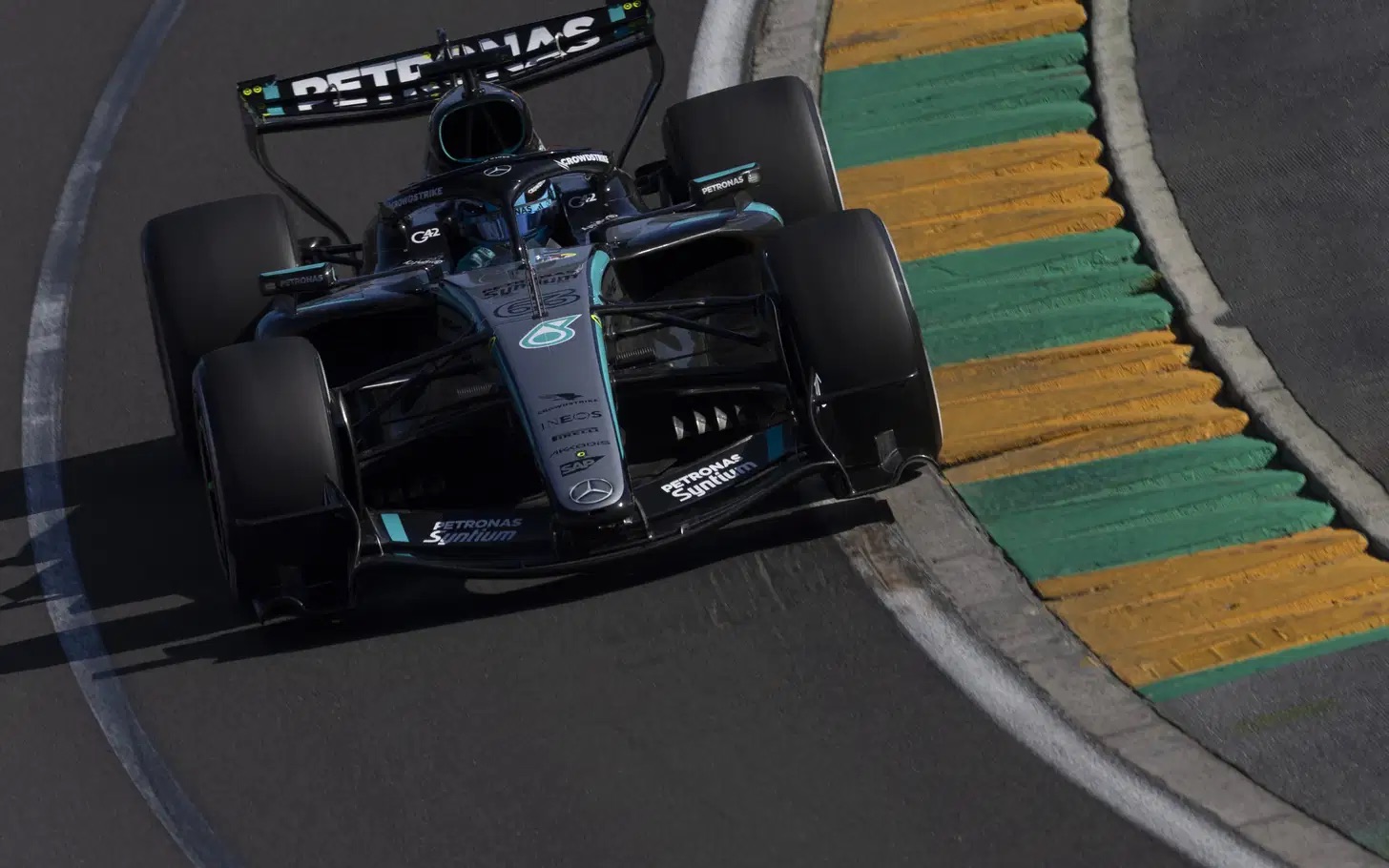
The third and final practice session ahead of the 2026 Formula 1 Australian Grand Prix took place at the Albert Park Circuit in Melbourne, giving teams one last opportunity to fine-tune their cars before qualifying. This session is typically used by drivers and engineers to complete their final preparations, assess car performance on different tyre compounds, and simulate qualifying laps. The hour-long practice provided valuable insights into the competitiveness of each team as the opening race weekend of the season approached.
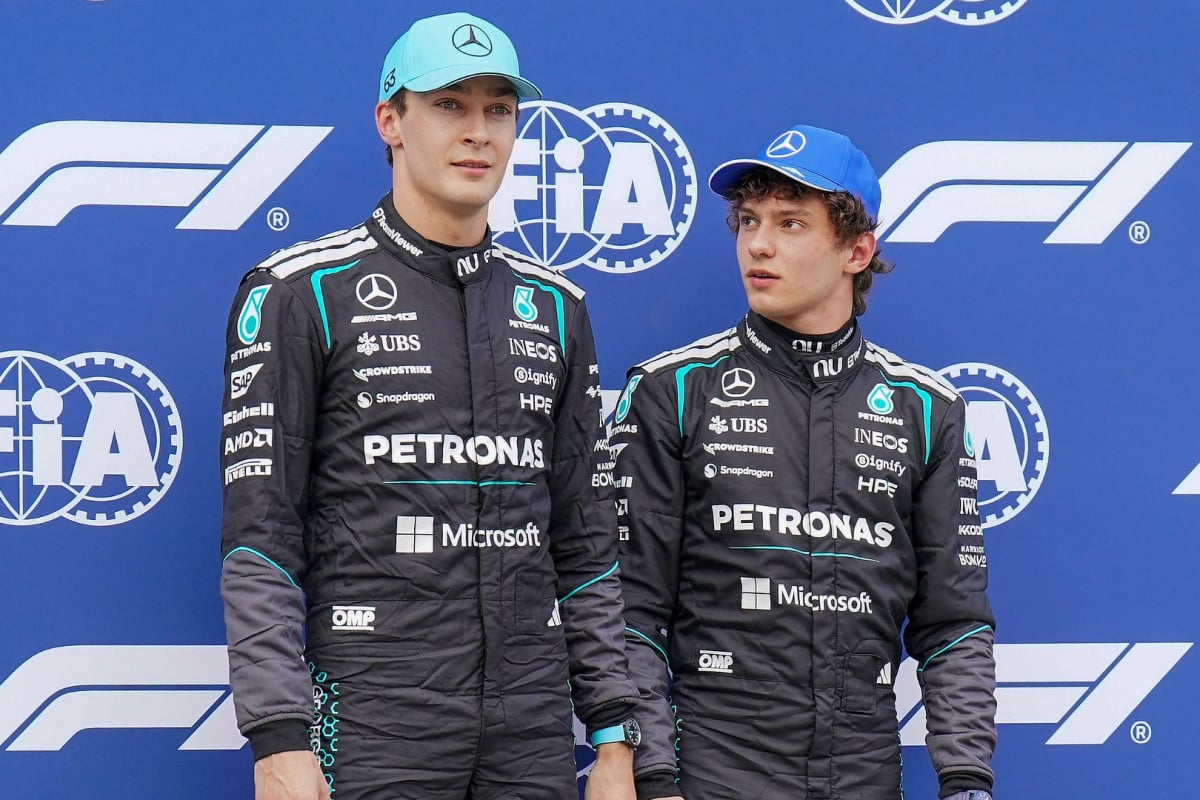
At the end of the session, George Russell delivered the fastest lap time, placing his Mercedes at the top of the leaderboard. Russell recorded a time of 1:19.053, demonstrating strong pace and suggesting that Mercedes had found a competitive setup for the Melbourne circuit. His performance placed him clearly ahead of the rest of the field and made him one of the drivers to watch heading into qualifying later in the day.
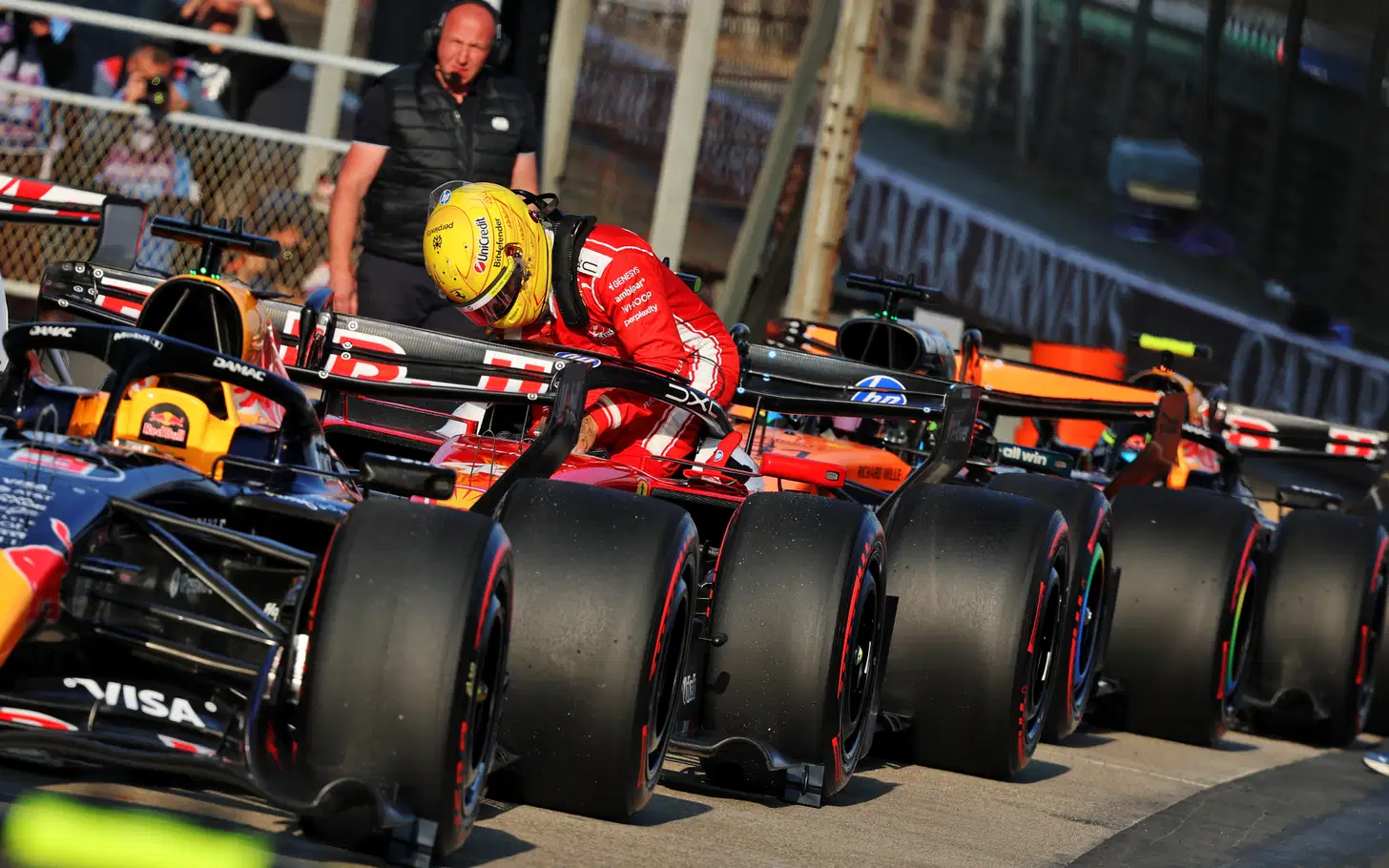
Behind Russell in second position was Ferrari driver Lewis Hamilton. Hamilton’s lap time of 1:19.669 was more than half a second slower than Russell’s fastest effort, but it still indicated that Ferrari possessed competitive speed. Hamilton’s performance suggested that the team could challenge near the front during qualifying and potentially compete for strong grid positions in the race.
Ferrari’s other driver, Charles Leclerc, finished the session in third place. Leclerc produced a time of 1:19.827, slightly behind his teammate but still within a competitive range. With both Ferrari drivers finishing inside the top three positions during the final practice session, the Italian team appeared well prepared heading into the next stage of the weekend.
McLaren driver Oscar Piastri ended the session in fourth place with a lap time of 1:20.087. Racing at his home Grand Prix, Piastri once again showed promising pace in front of the Australian crowd. Although he was just outside the top three, his performance suggested that McLaren could still be a contender during qualifying if improvements were made to the car setup.
Fifth place went to Isack Hadjar of Red Bull Racing, who recorded a time of 1:20.137. The young driver managed to deliver a strong lap, finishing ahead of some more experienced competitors. His result demonstrated that Red Bull still had competitive speed, even if they were not the fastest team during the final practice session.
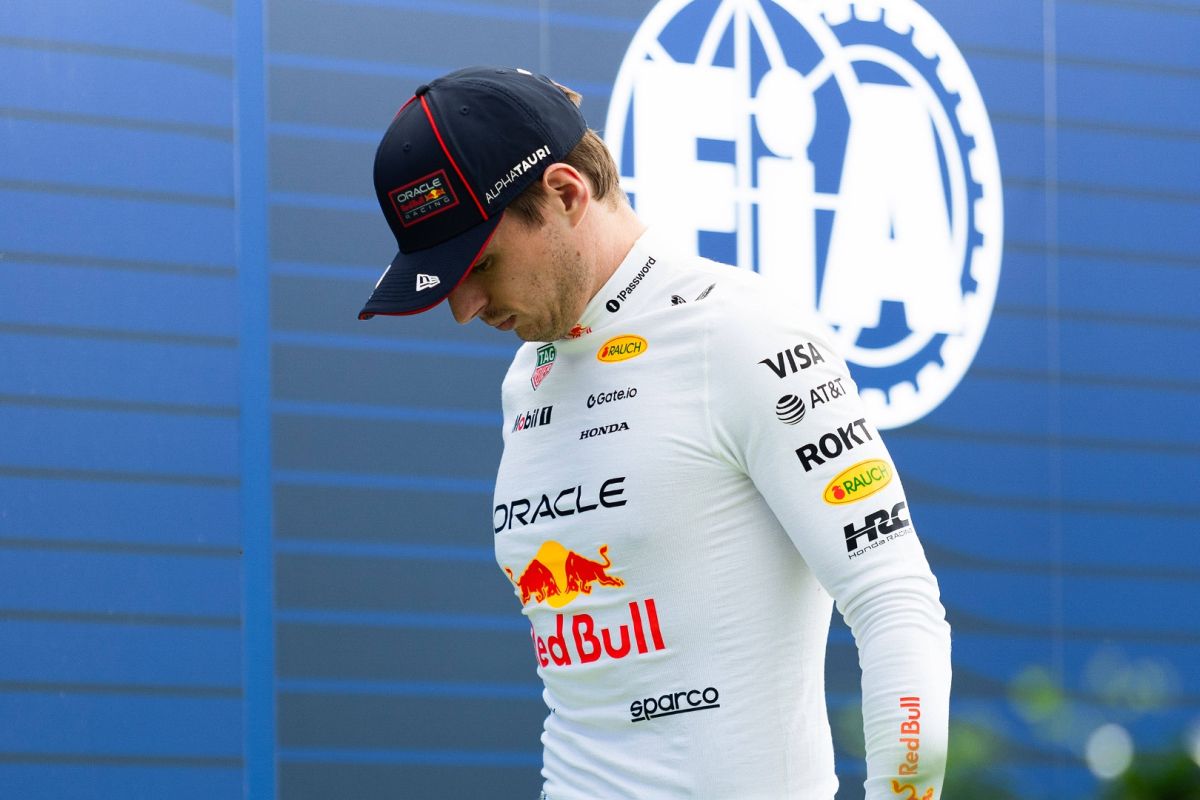
Sixth position was secured by reigning world champion Max Verstappen, also driving for Red Bull. Verstappen posted a lap time of 1:20.197, placing him just behind his teammate. Although he did not top the session, the Dutch driver remained within striking distance of the front runners and was expected to improve during qualifying, where drivers typically push their cars to the limit.
Mercedes rookie Kimi Antonelli finished the session in seventh place with a lap time of 1:20.324. Antonelli had shown promising speed earlier in the session before being involved in a heavy crash that caused a red flag and interrupted the running. Despite the incident, his earlier lap time remained good enough to keep him within the top ten. His performance indicated that he had the potential to compete with more experienced drivers during the weekend.
McLaren’s Lando Norris finished eighth with a time of 1:20.443. Norris, the reigning Formula 1 world champion, did not appear to push for the very fastest lap during the session. Teams sometimes choose to focus on race simulations rather than outright speed in practice sessions, which may explain why Norris finished slightly lower in the standings compared with some of his rivals.
Gabriel Bortoleto placed ninth for Audi, clocking a time of 1:20.459. His performance represented a solid showing for the team, which is continuing to establish itself as a competitive presence in Formula 1. Being inside the top ten during final practice was a positive sign for both the driver and the team as they prepared for qualifying.
Rounding out the top ten was Haas driver Oliver Bearman, who recorded a lap time of 1:20.778. Bearman managed to secure a respectable position on the timesheet and demonstrated steady progress throughout the session.
Further down the order were several drivers aiming to improve their performance ahead of qualifying. Arvid Lindblad of Racing Bulls finished eleventh with a time of 1:20.838, while teammate Liam Lawson placed twelfth after posting a lap of 1:20.890. These drivers remained close to the top ten and could potentially move higher up the grid depending on their qualifying performances.
The FP3 session was an important part of the race weekend because it allowed teams to finalize their setups before the competitive qualifying session. Engineers used the data collected during practice to adjust aerodynamics, tyre strategy, and car balance in order to maximize performance. Since Melbourne’s Albert Park Circuit is a temporary street track with a mixture of fast corners and tight sections, achieving the right car setup is crucial for success.
Overall, George Russell’s dominant performance suggested that Mercedes had a strong car for the season-opening race. Ferrari also appeared competitive with both Hamilton and Leclerc finishing inside the top three. McLaren and Red Bull remained close behind, indicating that qualifying could be highly competitive with several teams capable of challenging for the front rows of the grid.
As the final practice session concluded, teams shifted their focus to qualifying, where the true pace of the cars would become clearer. The results of FP3 provided an early indication of the competitive order, but qualifying would ultimately determine the starting grid for the first race of the 2026 Formula 1 season in Melbourne.