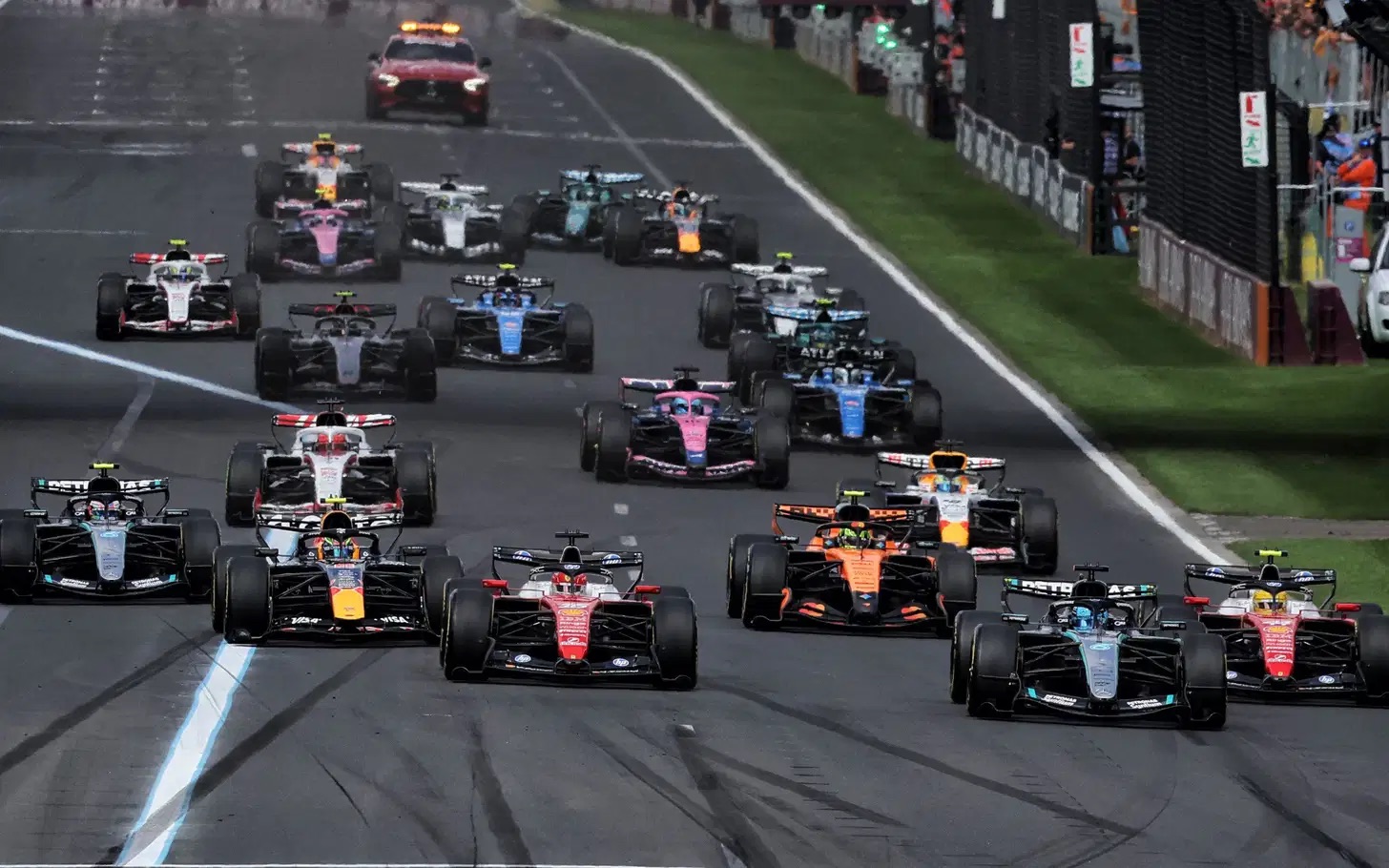
The opening race of the 2026 Formula One season in Australia has left the sport’s governing bodies, Formula 1 and the FIA, facing a significant dilemma. The chaotic events that unfolded during the Australian Grand Prix raised serious questions about the new technical regulations introduced for the 2026 season. What was expected to be an exciting start to a new era instead highlighted several complications that may require urgent attention from the sport’s leadership.
The Melbourne race was the first competitive outing for the radically redesigned cars and power units that now define Formula One’s latest regulatory cycle. These cars feature a much stronger reliance on electrical energy than before, with power now split roughly evenly between the traditional internal combustion engine and electric components. While the changes were introduced to improve sustainability and modernize the sport, the race weekend revealed that the new system may create unexpected challenges both for teams and drivers.
One of the central issues revolves around energy management. Drivers must carefully control how their cars harvest and deploy electrical power during a lap. Unlike previous seasons, where engine performance was more predictable, the new system requires competitors to constantly monitor battery levels and make strategic decisions about when to release extra energy for overtaking. This has made racing more complicated, as drivers cannot simply push at maximum speed whenever they want. Instead, they must balance performance with energy conservation to avoid running out of power at critical moments.
The consequences of this system became clear during the Australian Grand Prix. Drivers reported significant fluctuations in power output depending on battery status. In some cases, cars experienced sudden bursts of speed when deploying stored energy, while others slowed dramatically as their batteries depleted. These differences in speed created unpredictable racing scenarios and made overtaking more complicated and sometimes dangerous.
Several competitors expressed frustration about the situation. Some explained that they had to keep checking their steering wheel displays to monitor energy levels, which distracted them from focusing fully on driving. This constant need to manage complex technical systems adds an additional mental workload during races that are already physically and mentally demanding.
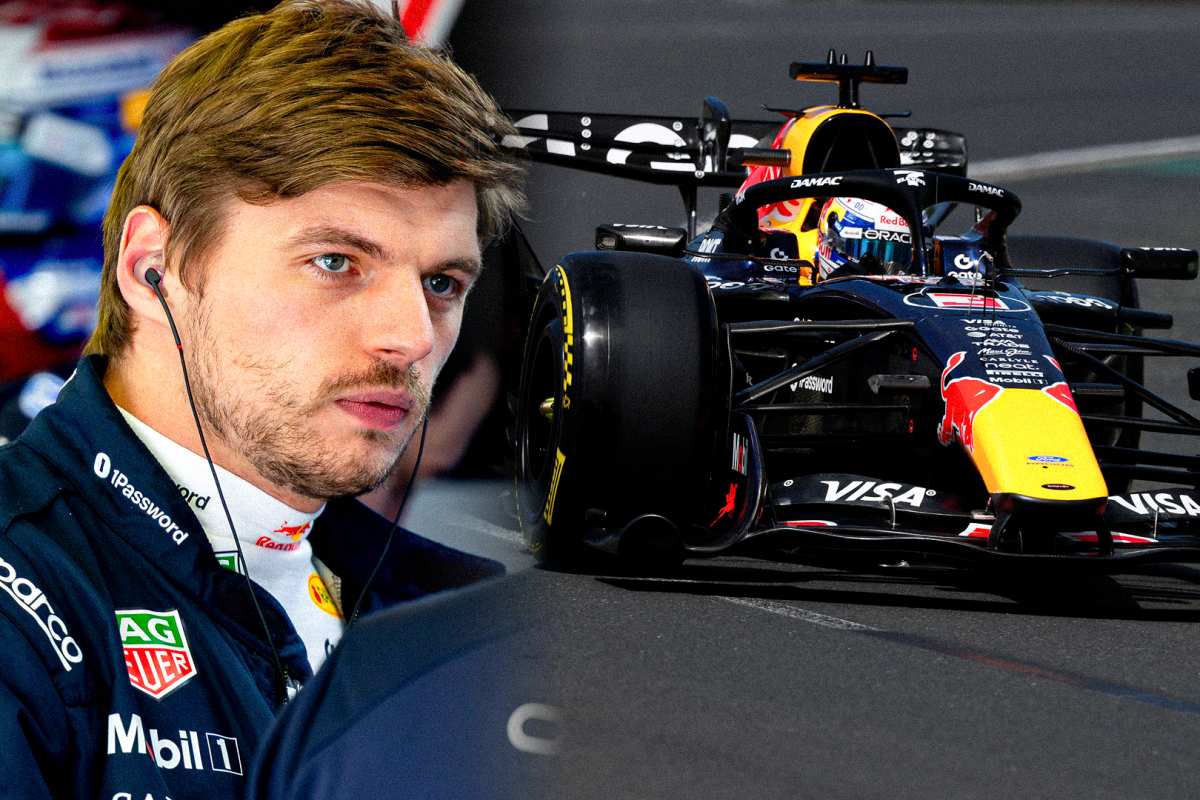
Four-time world champion Max Verstappen was among the most outspoken critics following the race. Despite recovering from a poor qualifying session to finish sixth, he made it clear that he was unhappy with the direction the sport has taken. Verstappen described the race as chaotic and suggested that the current regulations are not delivering the kind of racing Formula One is known for.
According to Verstappen, the sport should aim to present the most exciting and authentic form of racing possible. However, he believes the current rules are moving Formula One away from that ideal. The heavy emphasis on energy management, in his view, makes the sport feel less natural and more artificial. Instead of drivers battling purely on speed and skill, the outcome of many overtakes now depends on who has more electrical power available at a particular moment.
Another complication emerged during the race start. Some drivers experienced problems with battery charge levels even before the race properly began. For example, Verstappen revealed that his car had no battery power left when the race started, leaving him with very limited performance off the line. The issue occurred because certain procedures during the formation lap drained the battery more than expected, highlighting how sensitive the new system can be.
Such problems have created concerns that teams are still struggling to understand how to manage the new technology effectively. Because the regulations are so different from previous years, teams must adapt quickly while simultaneously competing at the highest level of motorsport. Even minor miscalculations in energy management can dramatically affect race performance.
Drivers also pointed out that the differences in speed between cars using energy boost and those conserving power can be substantial. In some situations, these speed gaps can reach several dozen kilometers per hour. When cars approach corners at vastly different speeds, the risk of collisions increases significantly. This has prompted some competitors to warn that the current situation could potentially lead to serious accidents if the issue is not addressed.
Despite the criticism, not everyone within Formula One believes immediate changes are necessary. Some team principals and senior figures have urged patience, arguing that it is normal for teams and drivers to experience difficulties during the early stages of a new regulatory era. According to this perspective, the sport needs several races before making any major judgments about the effectiveness of the new rules.
The 2026 regulations were designed with ambitious goals in mind. They aim to make Formula One more environmentally sustainable while also creating closer competition between teams. The cars are lighter and shorter than their predecessors, and the engines run on fully sustainable fuel while relying heavily on electric power. These innovations represent one of the biggest technical shifts in the sport’s history.
However, the Australian Grand Prix demonstrated that translating these ideas into successful racing conditions may not be straightforward. The combination of complex energy systems, unpredictable power delivery, and the need for constant monitoring has produced racing that some drivers feel is overly complicated.
Another point raised after the race concerns how the new systems affect the overall spectacle of Formula One. While the number of overtakes increased significantly, some drivers argued that these passes felt artificial because they were primarily determined by energy deployment rather than pure racing skill. This raises a broader question about whether the current regulations truly enhance the sport’s entertainment value.
As the season progresses, the FIA and Formula One management will likely face mounting pressure to review the situation. Drivers, teams, and fans will closely watch upcoming races to see whether the problems observed in Australia persist. If the same issues continue to appear, officials may be forced to consider adjustments to the regulations sooner than expected.
Ultimately, the chaotic start to the season has created a difficult situation for the sport’s governing bodies. On one hand, the new rules were designed to move Formula One into a more sustainable and technologically advanced future. On the other hand, the early evidence suggests that these innovations may be introducing complications that undermine the quality of racing.
The Australian Grand Prix has therefore become more than just the first race of the season. It has effectively served as a real-world test of Formula One’s ambitious new era. Whether the sport can successfully adapt to these changes—or whether further modifications will be required—remains one of the biggest questions facing the championship as the 2026 season unfolds.