Aston Martin F1 sponsor Aramco hit by Iran attack as it causes…read more
Tensions in the Middle East have escalated sharply after Saudi Arabia’s energy infrastructure was caught up in the latest wave of regional strikes, with implications reaching as far as the Formula 1 paddock.
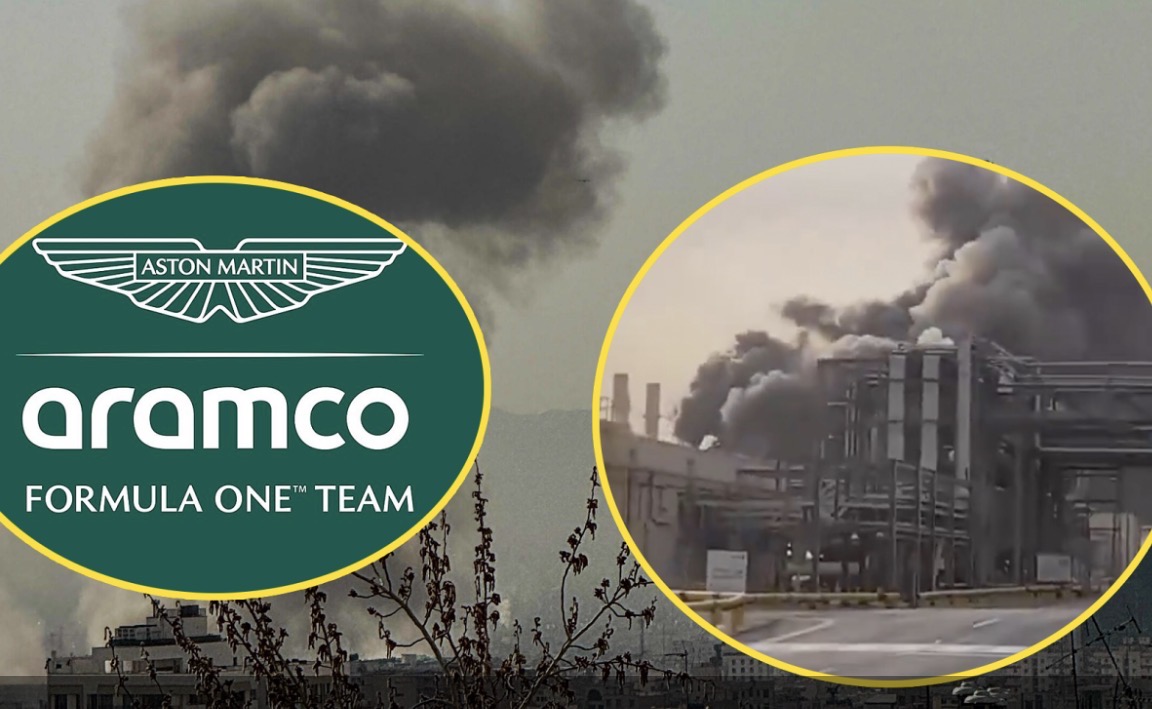
A refinery owned by Saudi oil giant Saudi Aramco, the title sponsor and long-term strategic partner of the Aston Martin F1 Team, was impacted during recent hostilities involving Iran. The development adds fresh uncertainty to the sporting calendar in a region that hosts multiple major international events, including Formula 1 races.
The incident followed a series of military actions that began when the United States and Israel launched strikes against targets in Iran. In response, Iran reportedly carried out retaliatory operations aimed at US-linked sites across neighboring countries. Among the latest developments was a strike near the Ras Tanura oil refinery on Saudi Arabia’s Gulf coast — one of the most significant oil processing facilities in the world and a key asset of Aramco.
According to the Saudi Press Agency, an official source from the Ministry of Energy confirmed that the refinery sustained what was described as limited damage. The statement indicated that at approximately 7:04 a.m. on Monday, debris resulting from the interception of two drones in the refinery’s vicinity caused minor structural impact. The falling debris sparked a small fire, but emergency response teams were able to bring the situation under control swiftly.
Authorities emphasized that no injuries or fatalities were reported. As a precautionary measure, certain operational units at the refinery were temporarily shut down. However, officials stressed that these actions did not disrupt the supply of petroleum products to domestic markets. The situation was described as stable, with damage contained and production continuity preserved.
Aramco’s global profile extends well beyond the energy sector. In addition to being one of the largest oil companies in the world, the firm has invested heavily in international sport. Its high-profile partnership with Aston Martin in Formula 1 has placed its branding prominently on the team’s cars and equipment. The company has also been involved in other major sporting events, including the FIFA World Cup, reinforcing its strategy of global commercial engagement.
While there has been no direct suggestion that the refinery incident will affect Aston Martin’s operations, the broader geopolitical instability has already begun to influence Formula 1’s logistical planning.
Just days before the refinery news emerged, Formula 1’s official tyre supplier canceled a scheduled test session in Bahrain due to safety concerns linked to regional tensions. The decision reflected growing unease within the motorsport community as military activity intensified across parts of the Middle East.
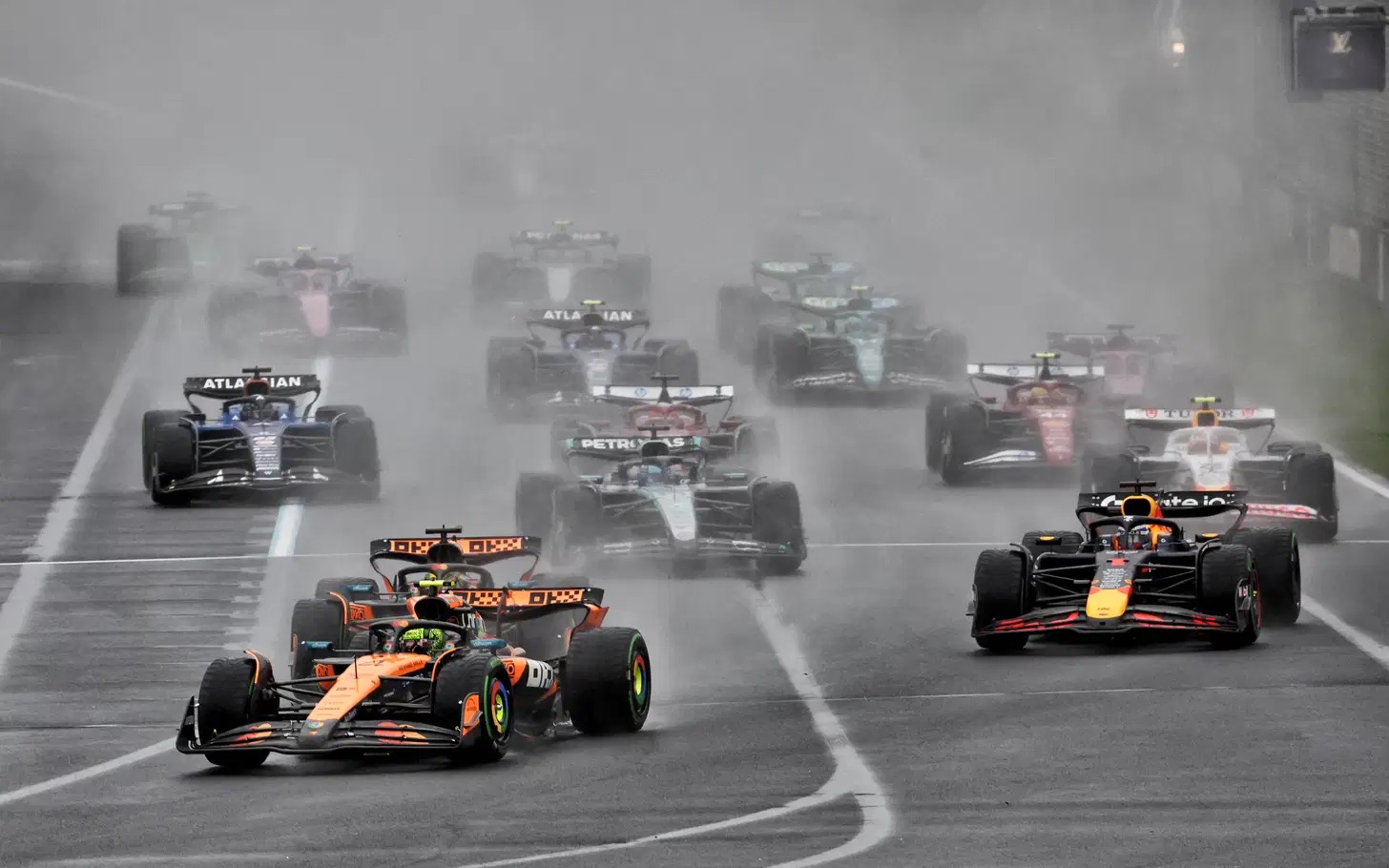
It is also understood that several Formula 1 teams have adjusted their travel arrangements ahead of the 2026 season opener in Melbourne. Some organizations reportedly rerouted flights to avoid transiting through airports in countries considered at higher risk, including Qatar and the United Arab Emirates. Although no teams have publicly cited specific threats, the changes signal a cautious approach as the championship prepares for the new campaign.
Attention is now turning toward the upcoming Bahrain and Saudi Arabian Grands Prix, which are scheduled to take place on April 12 and April 19 respectively. Both events are key fixtures in the early phase of the Formula 1 calendar and play a significant role in the sport’s commercial and competitive landscape.
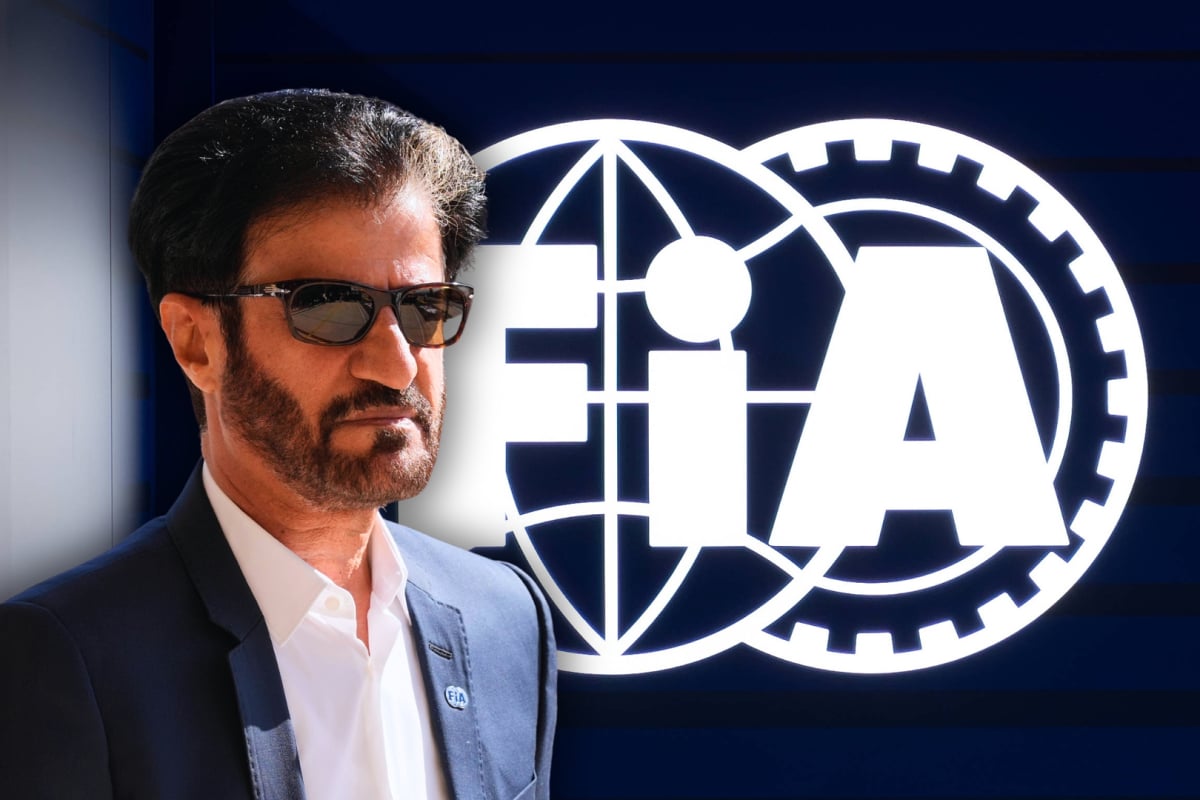
The president of the Fédération Internationale de l’Automobile, Mohammed Ben Sulayem, recently addressed the evolving situation. In a public statement, he reaffirmed that safety considerations would remain paramount as the governing body evaluates the status of events scheduled in the region. His remarks applied not only to Formula 1 but also to the FIA World Endurance Championship.
“Safety and wellbeing will guide our decisions as we assess the forthcoming events scheduled there for the FIA World Endurance Championship and the FIA Formula 1 World Championship,” he said.
At this stage, there has been no official indication that either the Bahrain or Saudi Arabian Grands Prix will be postponed or canceled. However, the situation remains fluid, and stakeholders across the sport are closely monitoring developments.
The refinery incident underscores how geopolitical tensions can reverberate far beyond immediate conflict zones, affecting global industries, financial markets, and major sporting events. For Formula 1, which has expanded significantly in the Middle East over the past decade, the coming weeks may prove crucial in determining whether the 2026 season proceeds as planned in the region.
For now, officials continue to stress caution, vigilance, and the primacy of safety as the international community watches events unfold.