B.C. Man Fights Off Grizzly Bear With Bare Hands After Terrifying Attack That Tore Off His Lips and Scalp
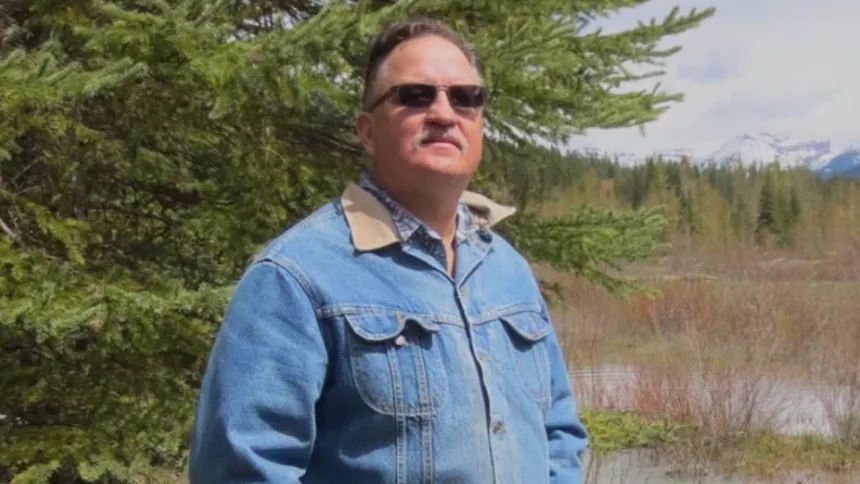
A 63-year-old man from British Columbia is being hailed as a miracle survivor after enduring a savage grizzly bear attack that nearly claimed his life. The victim, Joe Pendry, was mauled by a mother grizzly earlier this month while hunting elk in the East Kootenay region near Fort Steele, northeast of Cranbrook. The horrifying encounter left him with severe injuries, including the loss of his lips, part of his scalp, a finger, and multiple broken bones.
The incident occurred on October 2, when Pendry, an experienced hunter and former boxer, unexpectedly came across a mother bear and her two cubs. According to his wife, Janice Pendry, what began as a routine hunting trip quickly spiraled into a brutal fight for survival. “He saw the bear and her cubs suddenly, and before he could do anything, she charged,” Janice said.
Pendry managed to fire a single shot, striking the bear in the leg, but the wounded animal continued to advance. With no time to reload or aim again, he was forced to rely on his instincts and hand-to-hand combat skills. “He started punching the bear in the face, just like he would in the boxing ring,” Janice recalled. “He even bit her ear in desperation.” Despite his efforts, the bear overpowered him, sinking her jaws into his head.
At one terrifying moment, the bear clamped down on Pendry’s skull, tearing off his scalp and inflicting devastating facial injuries. Janice said her husband also suffered a broken nose, fractured cheekbones, both arms shattered, several broken ribs, and numerous deep lacerations. “It’s a miracle he’s alive,” she said.
Bleeding heavily and in shock, Pendry somehow managed to fend off the bear long enough to reach his phone. He called 911 and his son before losing consciousness. Emergency teams raced to the remote area, and a rescue helicopter transported him to Kelowna General Hospital, where surgeons performed multiple complex operations to rebuild his face and stabilize his condition.
“It was touch and go for a while,” Janice said. “He lost a lot of blood and was in critical condition, but Joe’s a fighter. His boxing background helped him stay calm and keep fighting until help arrived. Most people don’t live to tell the story after a grizzly attack like that.”
Days after the attack, the B.C. Conservation Officer Service (COS) discovered a dead grizzly in the same region. DNA tests later confirmed it was the same bear that mauled Pendry. Officials determined the animal died of sepsis resulting from the gunshot wound Joe had inflicted during the encounter. “Through DNA analysis, we confirmed that the bear involved in the attack was recovered,” the COS said in a statement. “We’re grateful to all the responders and medical personnel involved in this difficult case.”
The ministry added that the slain grizzly was a mother of two cubs. While their ages were not confirmed, wildlife experts believe they were old enough to survive independently. Young grizzlies typically remain with their mothers until around their fourth summer, at which point they can forage and defend themselves.
Pendry’s ordeal has left lasting scars, both physical and emotional. He faces a long road to recovery, with extensive surgeries and rehabilitation ahead. “He still has nightmares about the bear,” Janice shared. “He’s showing signs of post-traumatic stress disorder and might not be able to go back to his job as a highway maintenance foreman. It’s heartbreaking, but I’m just grateful he’s alive.”
Janice admitted the trauma has also taken a toll on her. “Some days I feel strong; other days, it all comes crashing down. I never thought I’d see my husband go through something so horrific,” she said tearfully. “I know one day, when he’s home and healing, I’ll finally let myself cry.”
According to WildSafeBC, an organization dedicated to bear safety education, the province receives between 400 and 500 grizzly-related reports annually. While fatal encounters are rare, experts warn that grizzlies—especially mothers with cubs—can be highly unpredictable and aggressive if they feel threatened.
The non-profit advises anyone venturing into bear country to carry bear spray, make noise while hiking, secure food and waste properly, and avoid startling animals at close range. “Most bear attacks occur when humans accidentally surprise a bear or get too close to cubs,” the organization states.
For Joe Pendry, each day now represents another small victory in his recovery journey. His story stands as a testament to courage, survival, and the raw unpredictability of life in the wild. Against all odds, he fought one of nature’s fiercest predators—and lived to tell the tale.