Bahrain timesheets and laps as Max Verstappen stops Mercedes d…read more
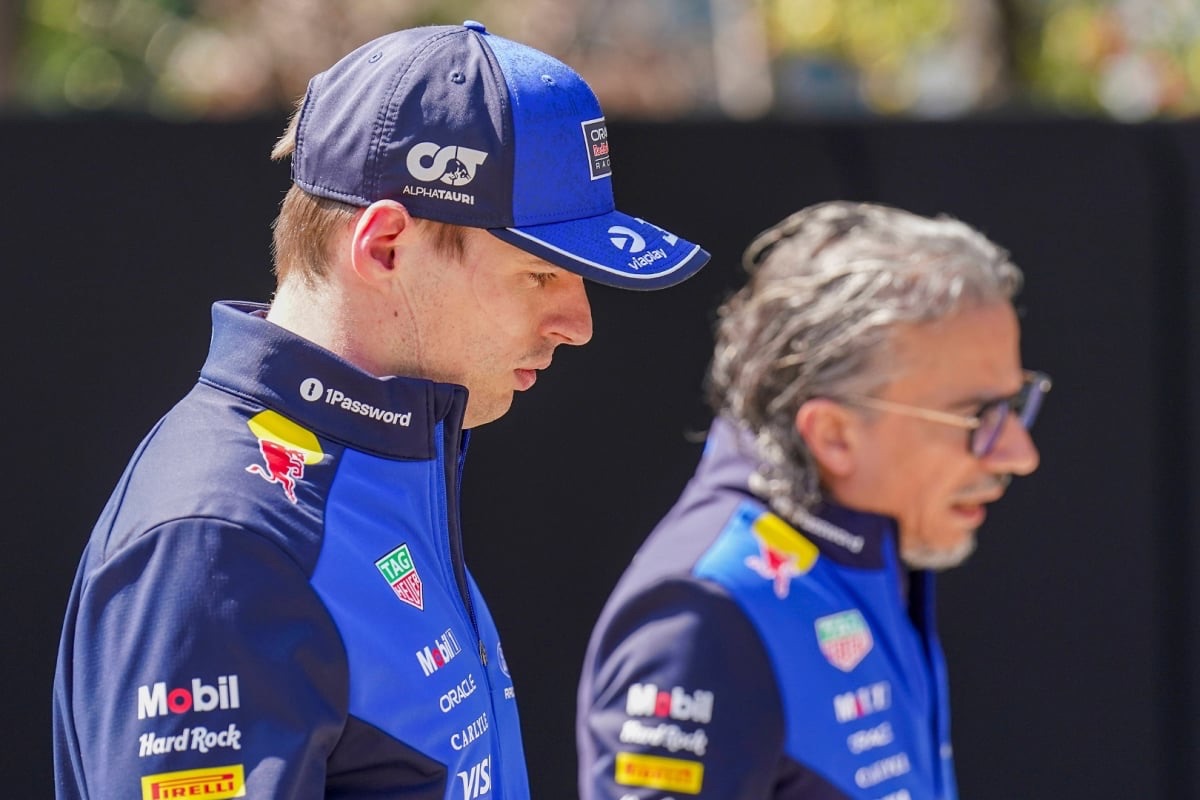
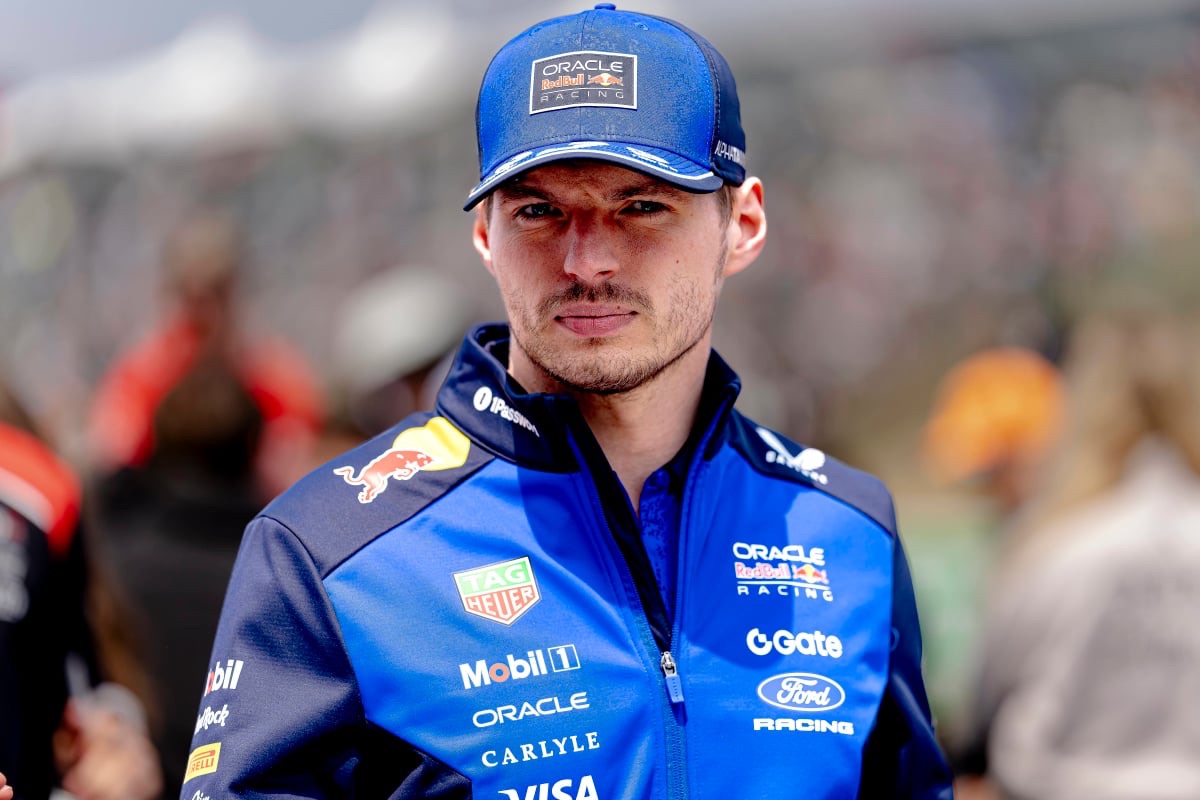
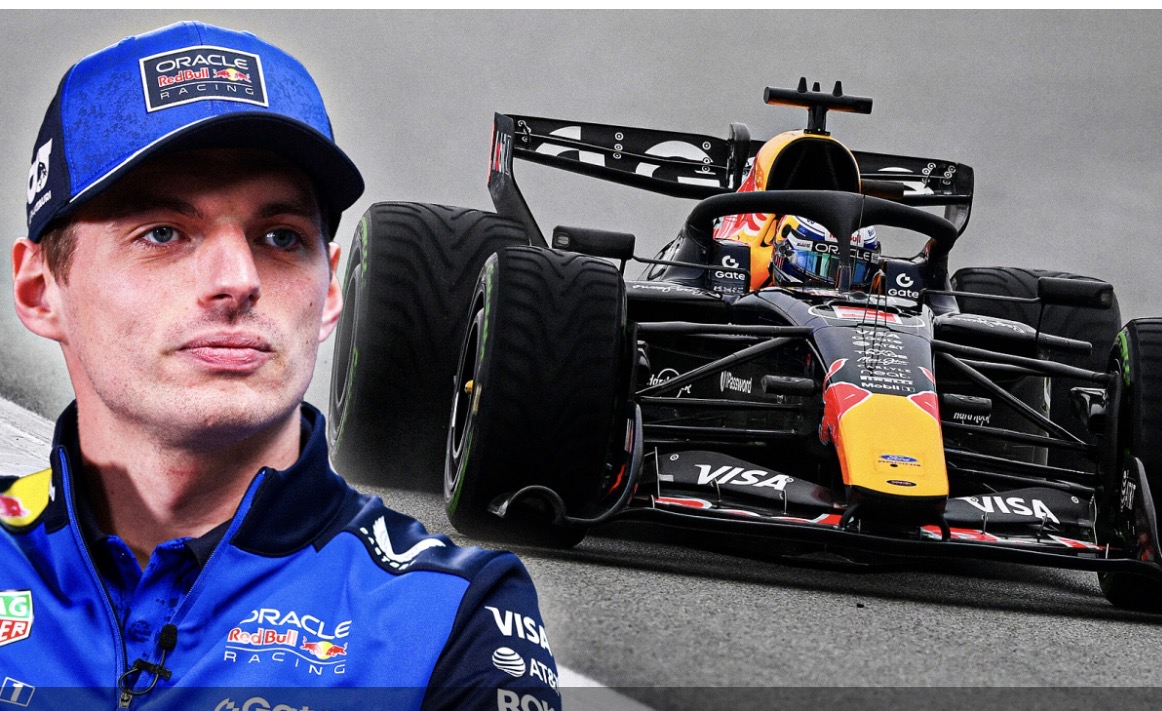
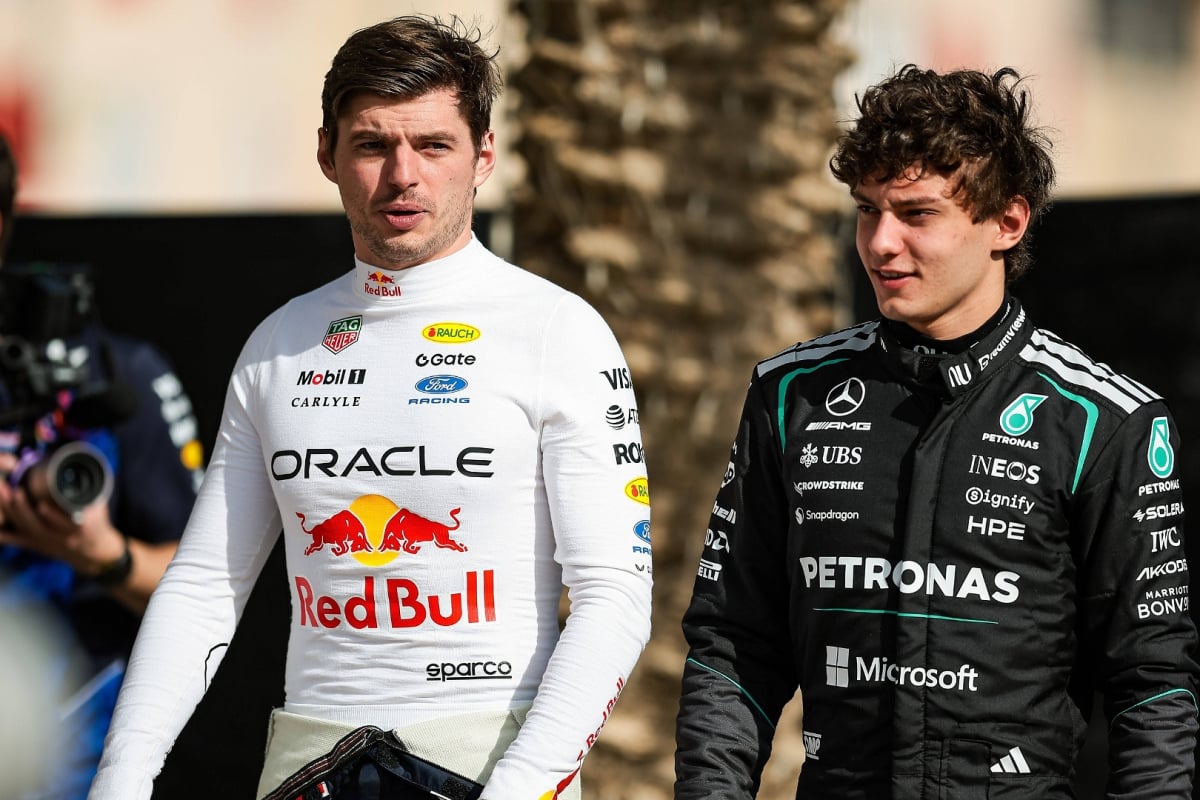
Max Verstappen set the early benchmark at the first official Formula 1 pre-season test of 2026 in Bahrain, ending the opening morning session fastest on the timesheets and halting the wave of speculation about an early Mercedes advantage. With full timing and lap data available to the public — unlike the more restricted Barcelona shakedown — fans and analysts finally got their first detailed look at how the new-season contenders are shaping up.
Testing at the Bahrain International Circuit marks the first fully transparent running of the year, with all teams participating across three days and live coverage scheduled for the final hour of each day. After weeks of off-season predictions and rumors pointing toward Mercedes strength, it was reigning world champion Verstappen who delivered the standout performance in the morning session, putting Red Bull at the top of the order.
Driving the RB22, Verstappen posted a best lap of 1:35.433 and completed 65 laps, combining both speed and consistency. His closest challenger was McLaren’s Oscar Piastri, who finished just under two tenths behind with a 1:35.602. McLaren, last season’s championship-winning team, appeared eager to reassert its competitiveness after an underwhelming showing at the Barcelona shakedown event.
Mercedes driver George Russell placed third with a time of 1:36.108, roughly seven tenths off Verstappen’s leading pace. While that gap is not decisive in testing conditions, it fell short of expectations created by widespread paddock talk suggesting Mercedes had found a major step forward over the winter. Still, Russell logged a solid 56 laps, giving the team valuable early data.
Lewis Hamilton, now racing for Ferrari and driving the SF-26, secured fourth position on the timesheet with a 1:36.433 — exactly one second slower than Verstappen’s benchmark. However, Hamilton’s morning was productive in terms of mileage, as he completed 52 laps without major interruption, indicating a stable opening run for Ferrari’s new package.
Further down the order, Haas driver Esteban Ocon recorded the fifth-fastest time with a 1:37.169 and 64 laps completed. Racing Bulls rookie Arvid Lindblad impressed with both pace and durability, finishing sixth and racking up 75 laps — one of the highest totals of the session. His performance suggested encouraging reliability for the squad.
Williams focused heavily on track time after missing the Barcelona shakedown, and Carlos Sainz delivered the highest lap count of the morning with an impressive 77 tours. He placed seventh on the timesheet with a 1:38.221 but, more importantly, helped the team recover lost preparation time through sheer mileage.
Audi newcomer Gabriel Bortoleto finished eighth with 49 laps, just ahead of Cadillac’s Valtteri Bottas, who also logged 49 laps. Aston Martin’s Lance Stroll rounded out the top ten, though his session was shorter, with 33 laps completed.
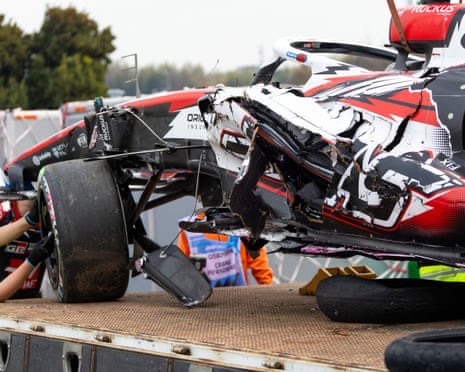
The only significant interruption came early in the session when Alpine driver Franco Colapinto triggered a red flag after his car stopped on track. Despite the setback, the team managed to resolve the issue and return him to running, allowing him to complete 28 laps before the session concluded.
Teams also confirmed their driver rotation plans across the six testing sessions. Red Bull will split duties between Verstappen and Isack Hadjar after Verstappen handled the opening runs. McLaren is alternating between Piastri and Lando Norris, while Mercedes is sharing time between Russell and rising star Kimi Antonelli. Ferrari began with Hamilton and Charles Leclerc, with later sessions still to be finalized at the time of reporting.
With five sessions still to come, lap times remain far from definitive due to varying fuel loads and test programs. Nevertheless, Verstappen’s early pace sets an attention-grabbing reference point and immediately adds intrigue to the competitive picture heading into the 2026 season.