Mercedes Compression Ratio Storm Explodes as New Evidence Challenges F1 Engine Advantage Claims
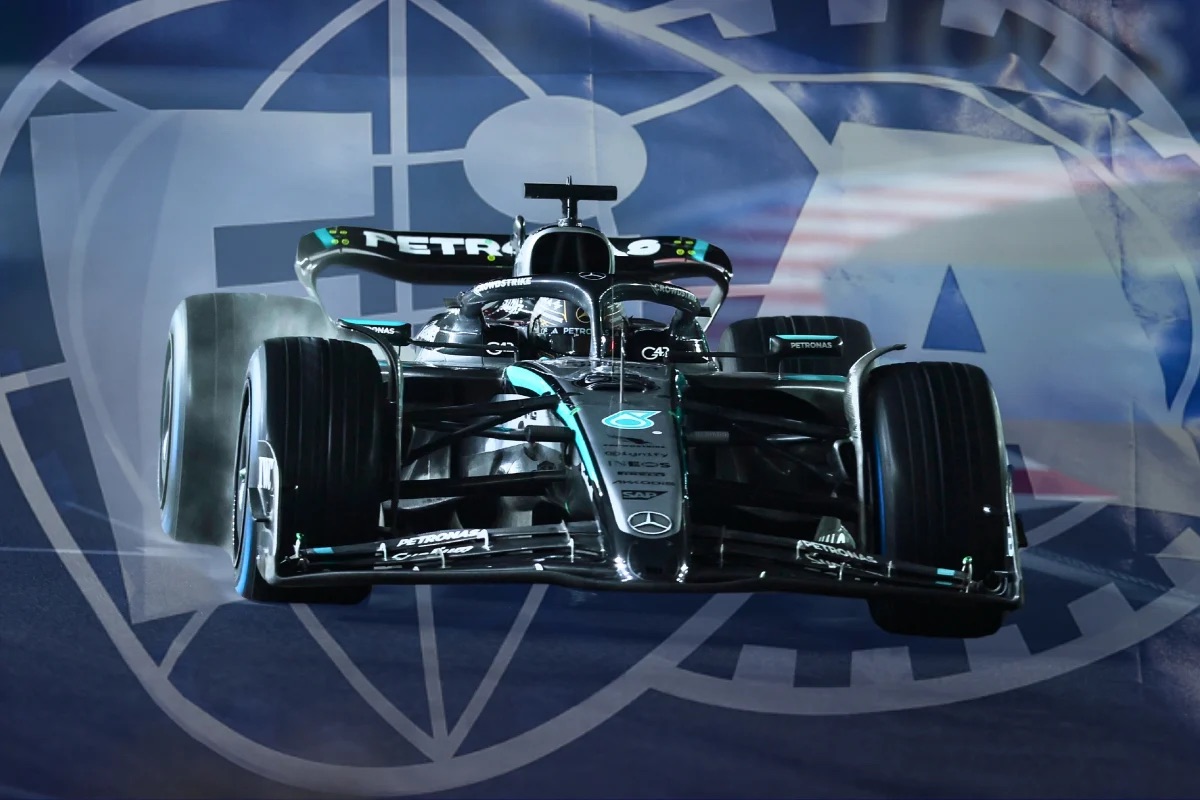
The debate surrounding Mercedes’ supposed engine advantage has intensified following the opening race of the 2026 Formula 1 season, with fresh evidence casting doubt on claims that the Silver Arrows gained their early dominance through a controversial compression ratio trick.
At the Australian Grand Prix in Melbourne, Mercedes delivered a performance that immediately put the rest of the grid on notice. After months of speculation during pre-season testing about which team would master Formula 1’s new power unit regulations, the Brackley-based outfit appeared to answer the question in emphatic fashion.
Ironically, Mercedes team principal Toto Wolff had spent much of the winter pointing toward Red Bull as the team to beat. Speaking during testing, Wolff repeatedly referred to the Milton Keynes outfit as the benchmark heading into the new era of regulations.
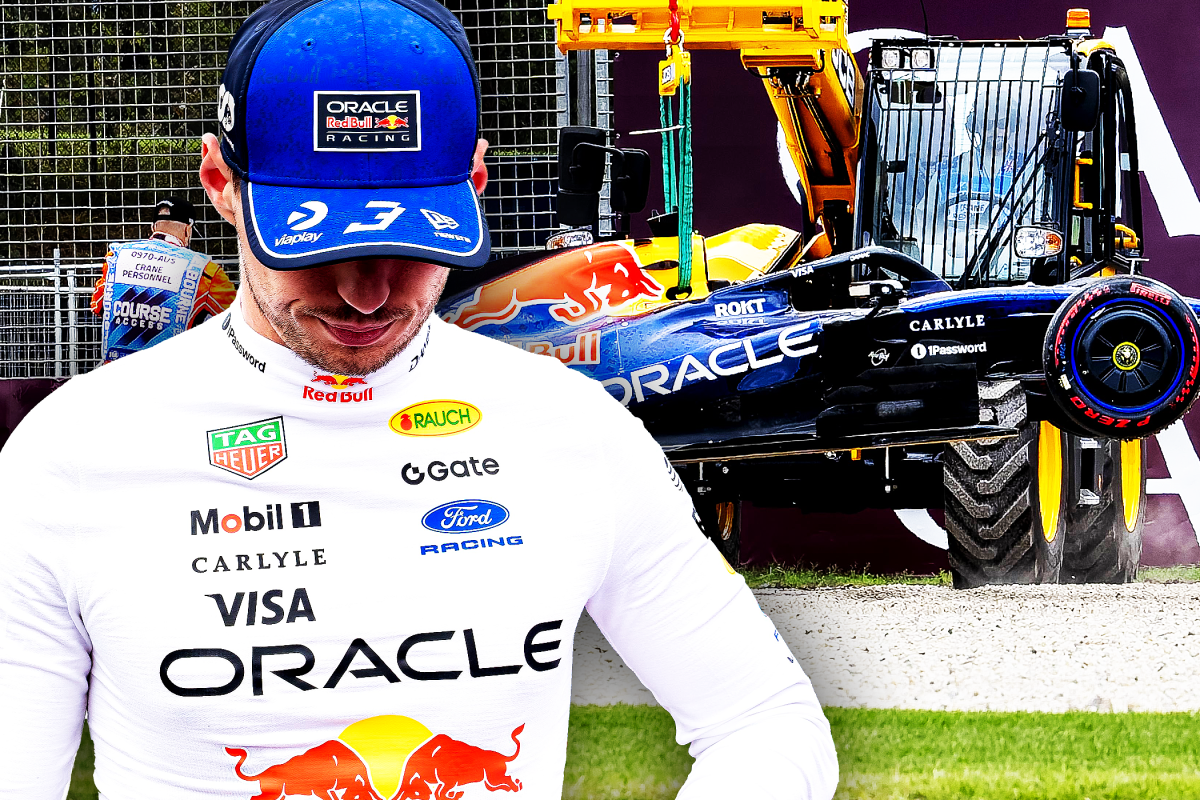
However, the opening qualifying session at Albert Park Circuit produced a completely different narrative. Red Bull’s weekend took a dramatic turn when reigning world champion Max Verstappen crashed out during Q1. The Dutch driver lost control while pushing for a flying lap and was forced to settle for last place on the starting grid.
While Red Bull struggled, Mercedes thrived.
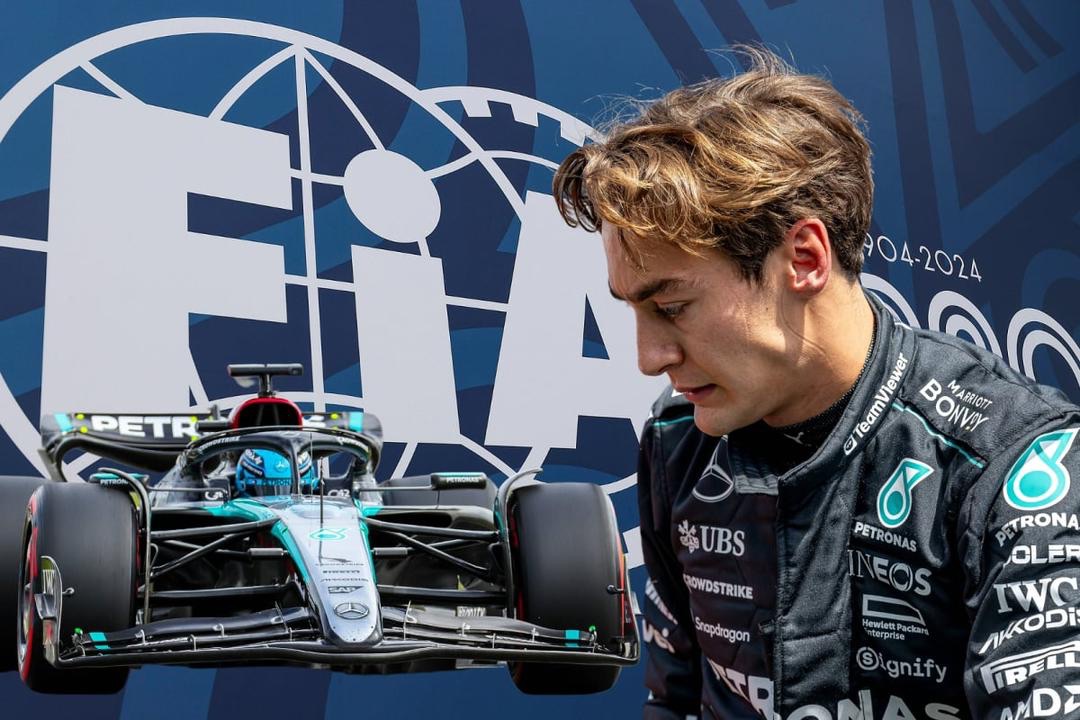
George Russell delivered a stunning lap to secure pole position, with rookie teammate Kimi Antonelli completing a front-row lockout for the Silver Arrows. The impressive result immediately sparked renewed discussion around Mercedes’ engine performance and whether the team had discovered a clever technical workaround within the new regulations.
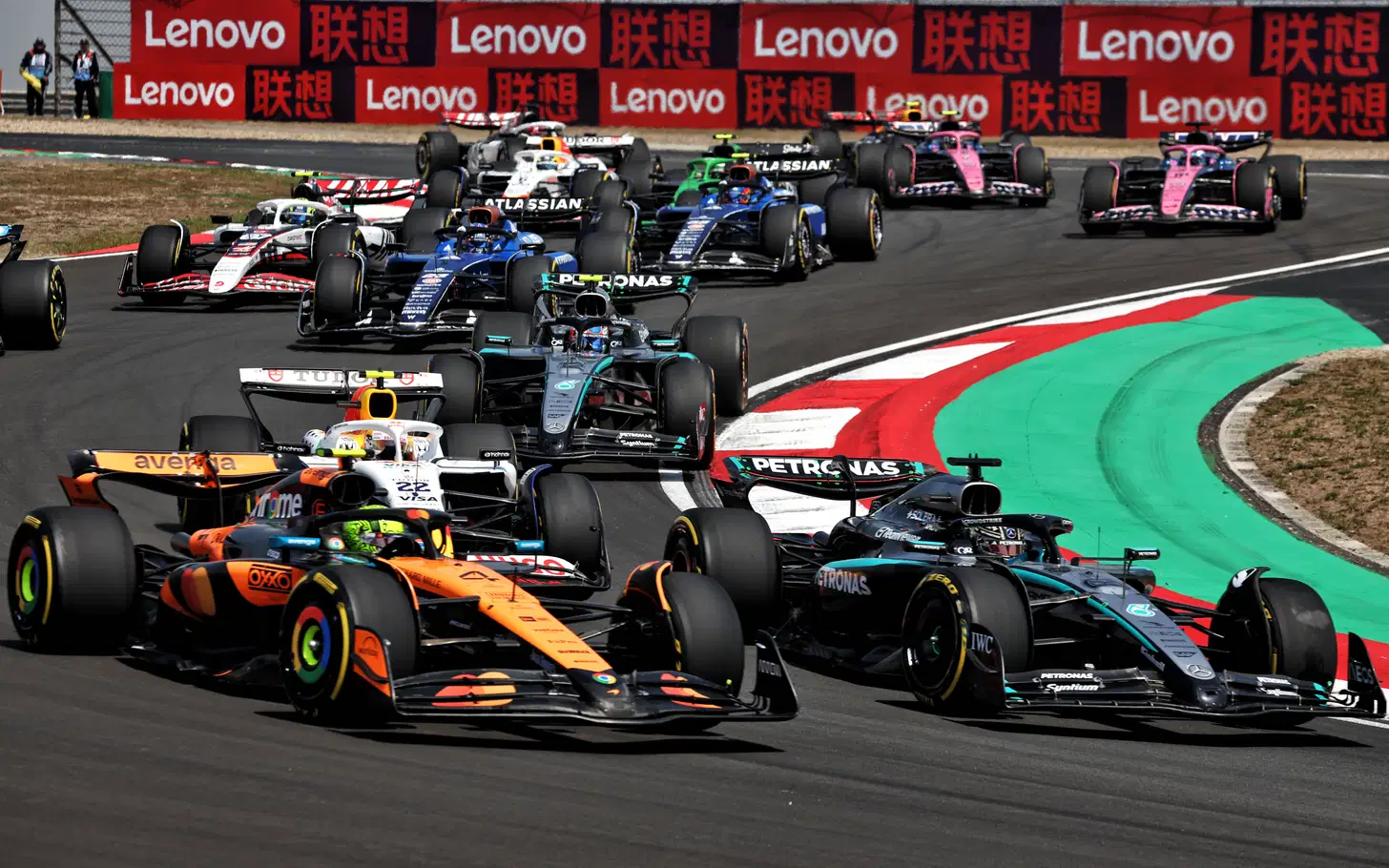
The race itself only strengthened Mercedes’ position. Russell maintained control at the front while Antonelli followed closely behind, allowing the team to cross the finish line in the same order they started. Their dominant performance secured a double podium finish and placed Mercedes firmly at the top of the early championship standings.
But their success has not come without controversy.
Even before the 2026 season began, whispers circulated through the paddock that Mercedes may have found a loophole in the new power unit regulations relating to the engine’s compression ratio. Rival teams reportedly raised concerns to the FIA after discovering details about how Mercedes might be interpreting the rules.
Under the updated regulations introduced for 2026, the geometric compression ratio of the internal combustion engine is limited to 16:1. However, rumors suggested that Mercedes had engineered a way for the measurement to comply with this limit when the car was stationary, while allowing the compression ratio to increase to 18:1 when the car was actually running on track.
Because the FIA’s measurement procedure focused on verifying the compression ratio while the car was stationary and under ambient conditions, some competitors feared Mercedes had cleverly exploited the testing method to unlock additional performance during racing conditions.
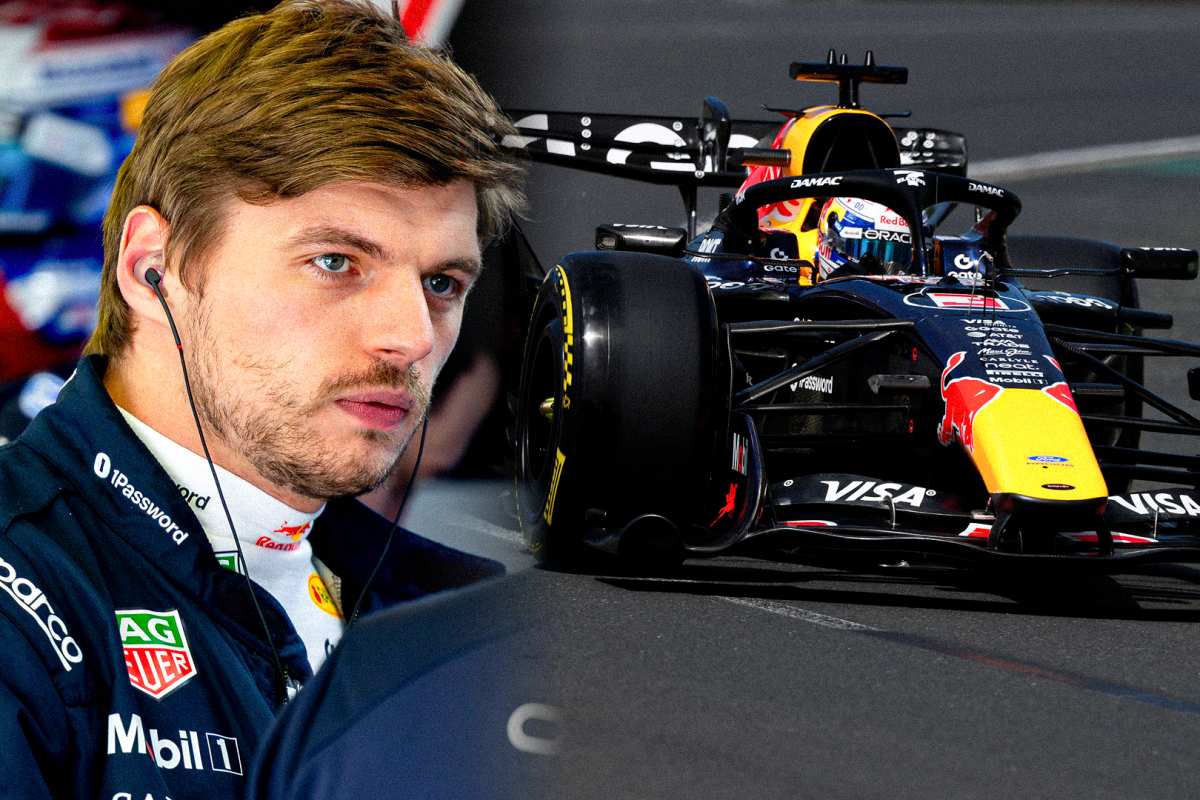
Max Verstappen was among those who publicly questioned the situation. The four-time world champion claimed the suspected trick could potentially provide an advantage of between 20 and 30 brake horsepower, which he believed translated to roughly three tenths of a second per lap.
Those numbers, if accurate, would represent a significant competitive edge in modern Formula 1.
Following discussions among the sport’s power unit manufacturers, a decision was eventually made to close the potential loophole. The new interpretation of the rule will prevent teams from using such a system beginning with the Monaco Grand Prix later in the season.
This means Mercedes could be forced to modify aspects of their power unit design after the first seven rounds of the championship. As a result, the team will likely aim to collect as many points as possible before the rule clarification comes into effect.
Despite the controversy, not everyone in the paddock is convinced that Mercedes’ performance advantage can be explained by the compression ratio discussion alone.
Several analysts from Sky Sports F1 believe the theory fails to fully account for the team’s early-season pace.
Seven-time world champion Lewis Hamilton was among those demanding clarification from the FIA. Speaking to the media on Saturday, Hamilton questioned the source of the significant performance gap he believed existed between Mercedes and its rivals.
He explained that he wanted to understand how such a difference in straight-line speed could exist, estimating that Mercedes appeared to gain around two tenths of a second per sector purely from power.
Hamilton suggested that if the advantage truly came from the compression ratio interpretation, then the FIA needed to explain why the situation had not already been addressed. On the other hand, he admitted that if the performance difference was simply down to superior engineering, rival teams would need to step up their own development.
However, Sky Sports F1 analyst Bernie Collins quickly pushed back against the idea that the compression ratio loophole alone was responsible for Mercedes’ dominance.
Collins pointed out that the Mercedes power unit is supplied to multiple teams on the grid. If the advantage came purely from the engine’s compression ratio configuration, then every team using that engine would be expected to appear near the top of the timing sheets.
But the current competitive order tells a different story.
According to Collins, the results indicate that Mercedes’ advantage is likely coming from a broader combination of factors rather than a single engine trick.
Former Formula 1 driver and commentator Martin Brundle also weighed in on the debate, offering a light-hearted take on the situation.
Brundle joked that the controversy surrounding the compression ratio discussion had grown far larger than the issue itself, describing it as little more than a storm in a cylinder.
With the season only just beginning, the true impact of the regulation clarification will not become clear until later in the year. For now, Mercedes remain firmly in control as the early championship favourites, while their rivals continue searching for answers behind their remarkable pace.