Formula 1 Launches Its 2026 Era with Low-Key Barcelona Pre-Season Test
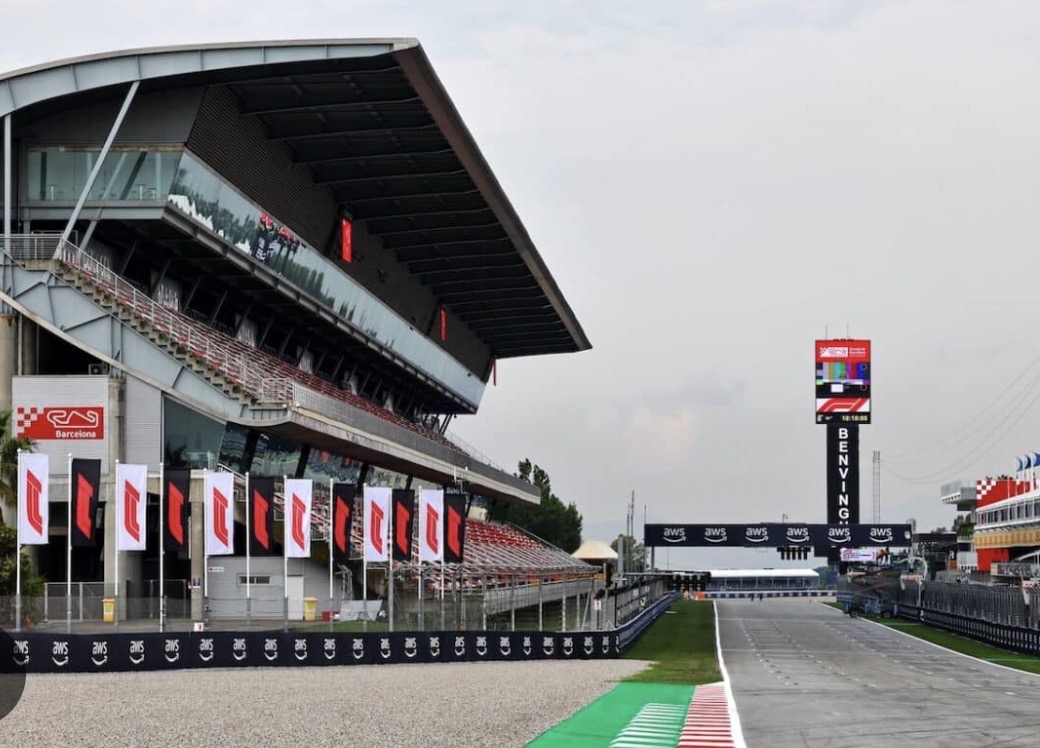
Formula 1’s transformation toward its ambitious 2026 regulations begins in earnest this week, as teams arrive at the Circuit de Barcelona-Catalunya for the first pre-season test of the year. Running from Monday, January 26 to Friday, January 30, the five-day test marks an unusually early start to winter preparations, underlining the scale and complexity of the changes coming to the sport.
The 2026 season will usher in a radically revised technical framework, headlined by all-new power units that place greater emphasis on electrical output, sustainable fuels, and energy efficiency. With such sweeping changes on the horizon, Formula 1 and the FIA have approved an expanded testing schedule, giving teams more track time than usual to adapt to the new technology.
Instead of the traditional three-day test held shortly before the opening race, teams will participate in three separate pre-season tests ahead of the season-opening Australian Grand Prix in Melbourne. The Barcelona outing is the first and most discreet of these sessions, designed primarily for internal evaluation rather than public spectacle.
Behind Closed Doors in Barcelona
Unlike later tests, the Barcelona session will take place entirely behind closed doors, with no spectators and minimal media access. The focus will be firmly on gathering data, validating simulations, and ensuring that the new power units and systems function as intended in real-world conditions.
Teams will use the opportunity to conduct system checks, assess cooling efficiency, evaluate energy deployment strategies, and identify any early reliability concerns. With the cars still in a developmental phase, performance comparisons are expected to be misleading, and outright lap times will hold little significance.
Limited Running Despite Five-Day Test
Although the test spans five days, teams will not have full access throughout the week. Each of the ten Formula 1 teams is permitted to run on only three of the five days, a restriction aimed at controlling costs and limiting excessive mileage during the early stages of development.
Several teams have already confirmed deviations from a full schedule. McLaren and Ferrari have both announced they will skip the opening day of running, while Williams will not participate in the Barcelona test at all. The Grove-based outfit has chosen to concentrate its efforts on later test sessions, prioritising development time once its 2026 programme is further advanced.
As a result, the paddock is expected to look unusual, with varying numbers of cars on track each day rather than a full grid running simultaneously. This staggered participation will also make it difficult to draw meaningful comparisons between teams during the week.
Daily Timetable and Potential Extended Running
Each day of running will follow a consistent schedule, with cars on track from 09:00 to 17:00 local time (CET), providing eight hours of testing per day. That translates to 08:00–16:00 GMT, while viewers in the United States would see activity between 03:00 and 11:00 Eastern Time.
Formula 1 has also left open the possibility of extending running by an additional hour if daylight conditions permit. This flexibility could prove valuable for teams encountering early technical issues or those seeking to complete long-run programmes and data collection exercises.
Reliability Takes Priority Over Speed
With entirely new power units being introduced, reliability will be the overriding concern during the opening test. Engineers will be paying close attention to component durability, thermal behaviour, software integration, and energy recovery performance, while drivers provide initial feedback on drivability and throttle response.
Early pre-season tests have historically been crucial in exposing weaknesses that might otherwise surface during race weekends. Given the added complexity of the 2026 regulations, identifying and addressing problems at this stage could be decisive in shaping a team’s competitive prospects.
Any lap times that do emerge from the closed test should be treated with caution. Teams are expected to run different fuel loads, conservative engine modes, and experimental components, making direct comparisons largely meaningless.
First Step on the Road to Melbourne
The Barcelona test represents just the beginning of Formula 1’s extended build-up to the 2026 season. Two further pre-season tests are scheduled before teams head to Australia, offering additional opportunities to refine designs, improve reliability, and unlock performance.
However, the importance of this initial outing should not be underestimated. A smooth and productive first test can set the tone for the months ahead, while early setbacks may leave teams playing catch-up once the championship begins.
As Formula 1 cars roll out in Barcelona, the sport officially turns the page to a new chapter—one defined by innovation, uncertainty, and a relentless race to master one of the most significant technical overhauls in modern Formula 1 history.