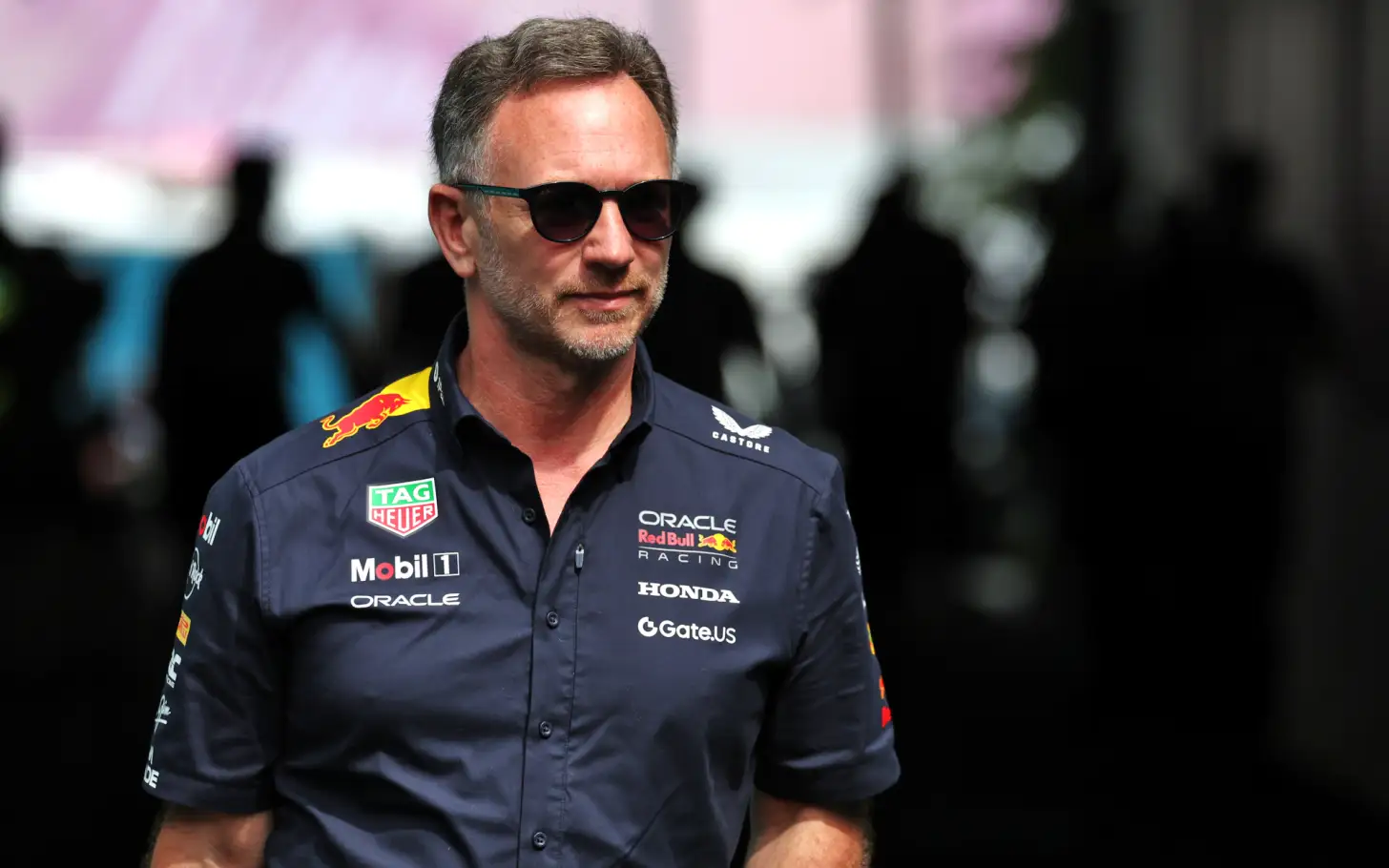
Christian Horner in Talks Over Potential Formula 1 Return Through Alpine Investment
Christian Horner could be edging closer to a return to Formula 1 after reports emerged that he is engaged in negotiations over a minority investment in the Alpine F1 team — a move that could pave the way for his comeback to the sport.
Horner has been absent from the F1 paddock since his unexpected dismissal from Red Bull Racing in July last year, bringing an end to a two-decade tenure in which he served as both team principal and CEO. During that period, Horner oversaw Red Bull’s transformation into one of the most successful teams in modern Formula 1 history.
Since his departure, the 51-year-old has been repeatedly linked with potential roles across the grid, but Alpine has consistently appeared as the most realistic destination. The latest developments suggest Horner is not simply seeking a management position but is instead focused on acquiring an ownership stake in a team — a key condition for any return to the championship.
Alpine, which is majority-owned by Renault, currently has 24 percent of its shares held by private investors led by investment firm Otro Capital. This group also includes several high-profile figures, such as Hollywood actors Ryan Reynolds and Michael B. Jordan, along with NFL stars Patrick Mahomes and Travis Kelce. Horner is understood to be in discussions specifically with Otro Capital regarding the possible purchase of its stake.
The negotiations were addressed publicly by Alpine executive advisor and team boss Flavio Briatore during the launch of the team’s 2026 challenger, the A526, in Barcelona. Briatore acknowledged that discussions are ongoing but stressed that the situation remains fluid.
“At the moment, there is a lot of confusion,” Briatore told reporters. “There are several groups interested — maybe six or seven. Almost every day there’s a new party expressing interest, and people keep calling me about Otro.”
Briatore made it clear that any change in ownership would not affect Renault’s controlling position in the team. “If Otro decides to sell its participation, even if someone buys their 24 percent, Renault would still own the remaining 75 percent,” he explained. “At that point, we would discuss what happens next. But right now, that’s the situation.”
While Briatore confirmed his long-standing friendship with Horner, he was keen to distance Alpine’s management from the ongoing talks. “I’ve known Christian for many years, and of course we speak,” he said. “But this has nothing to do with me personally. He’s negotiating with Otro, not with us.”
Any deal would still require approval from Renault before Horner could officially become part of the team’s ownership structure. “First, you need to buy Otro’s share,” Briatore added. “Then Renault needs to accept the buyer. Only after that can we see what happens.”
Horner’s reported desire to invest rather than simply manage aligns with a broader trend in Formula 1, where team valuations have soared and ownership stakes are increasingly viewed as long-term financial assets. For Horner, a minority purchase could offer both influence and security, allowing him to shape a team’s direction without relying solely on an executive appointment.
When asked whether Horner would be a positive addition to Alpine, Briatore offered a measured response. “I think everyone can be an asset to the team,” he said. “It depends on the role you give them. There’s no problem.”
Alpine has endured a turbulent period in recent seasons, with frequent leadership changes and inconsistent on-track performance. The team is currently undergoing a broader restructuring as Formula 1 prepares for sweeping regulation changes in 2026, making stability and long-term planning more important than ever.
Should the negotiations progress successfully, Horner’s return would represent one of the most high-profile comebacks in recent F1 history. While no agreement has yet been finalized, the talks underline Horner’s continued ambition to remain part of the sport — this time not just as a team boss, but potentially as an owner with a vested stake in Formula 1’s future.