Christian Horner’s Path Back to Formula 1 Faces Fresh Obstacle as Contract Clause Emerges
Christian Horner’s long-anticipated return to Formula 1 may be pushed further into uncertainty after new details emerged surrounding potential ownership changes at Alpine, the team most strongly linked with the former Red Bull boss.
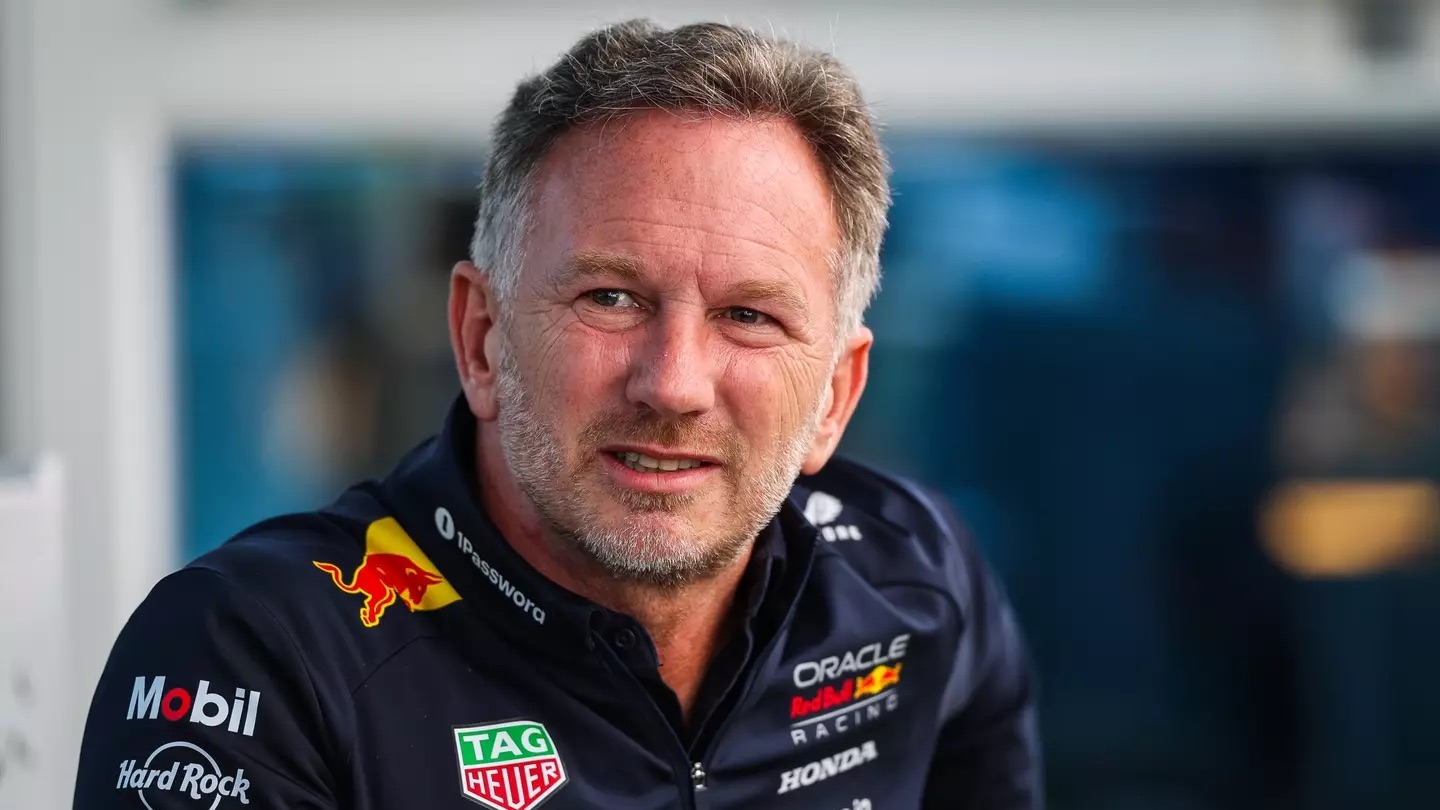
Horner, who was dismissed from his role as Red Bull Racing team principal and CEO in July, has remained one of the most influential figures in modern F1 despite his sudden exit. His departure marked the end of an era, having overseen every single Red Bull race since the team’s debut in 2005 and guiding them to multiple world championships across two dominant periods.
Following his removal, Horner was initially placed on gardening leave, with his contract originally set to run until the end of the decade. However, negotiations between Horner and Red Bull culminated in a substantial settlement later in the year. While figures vary depending on the source, reports suggest the 52-year-old received a payoff believed to be in excess of £50 million, effectively severing his ties with the Milton Keynes-based outfit.
That agreement appeared to clear the runway for Horner’s comeback, with the 2026 season widely viewed as the earliest point at which he could re-enter the paddock. Since then, speculation has intensified around his next move, with Alpine emerging as the most credible destination.
According to respected F1 journalist Pedro Fermin Flores, Horner has already held discussions about taking over as Alpine’s team principal. More significantly, the talks are said to extend beyond a simple leadership role, with claims that Horner is engaged in advanced negotiations to acquire a stake in the Enstone-based team.
Such a move would align Horner closely with Alpine executive advisor Flavio Briatore, a long-time friend and ally. Briatore currently holds a senior leadership position at the team and has been instrumental in shaping Alpine’s recent direction following a turbulent period on and off the track.
However, just as Horner’s potential return to Formula 1 began to gather momentum, a new complication has surfaced that could delay — or even derail — his plans.
PlanetF1 report that a previously overlooked clause in Alpine’s ownership structure may present a significant roadblock. Alpine is partly owned by a consortium led by Otro Capital, a private equity firm that holds a 24 percent minority stake in the team. That stake, according to a Forbes valuation published in November, is worth approximately $588 million.
Recent reports have suggested that Otro Capital may be open to selling its shares, a development that could pave the way for new investors — including, potentially, Horner himself. But the legal framework governing that sale tells a more complex story.
Documents reviewed by PlanetF1 reveal a clause stating that Otro Capital is prohibited from selling its stake until three years after the adoption of the current articles of association. Crucially, those articles are dated September 13, 2023, meaning no sale can legally take place until at least September 2026.
Even then, the process would not be straightforward. Any sale of the stake would require explicit approval from Renault, Alpine’s majority owner and parent company. As Alpine operates as Renault’s performance and motorsport division, the French manufacturer retains significant control over the team’s strategic direction and ownership structure.
The discovery of this clause introduces a major timing issue for Horner. If his plans are indeed tied to acquiring an ownership stake alongside a leadership role, he may be forced to wait longer than expected before formalizing any deal.
For Alpine, the situation adds another layer of complexity to an already challenging rebuild. The team endured a disastrous 2025 campaign, finishing last in the Constructors’ Championship and continuing a downward trend that has raised serious questions about their competitiveness under the current regulations.
Horner’s arrival — with his proven track record, commercial acumen, and leadership experience — has been viewed by many as a potential turning point. Yet the legal and financial realities surrounding Alpine’s ownership could mean that his involvement, if it happens at all, may not materialize until well into the next regulation cycle.
For now, Horner remains on the outside of Formula 1, watching a sport he helped shape move toward a radically different future in 2026. Whether he returns as a team principal, a part-owner, or not at all may depend less on ambition and more on the fine print of contracts signed years earlier.
One thing is certain: Christian Horner’s exile from the F1 paddock may be far from over.