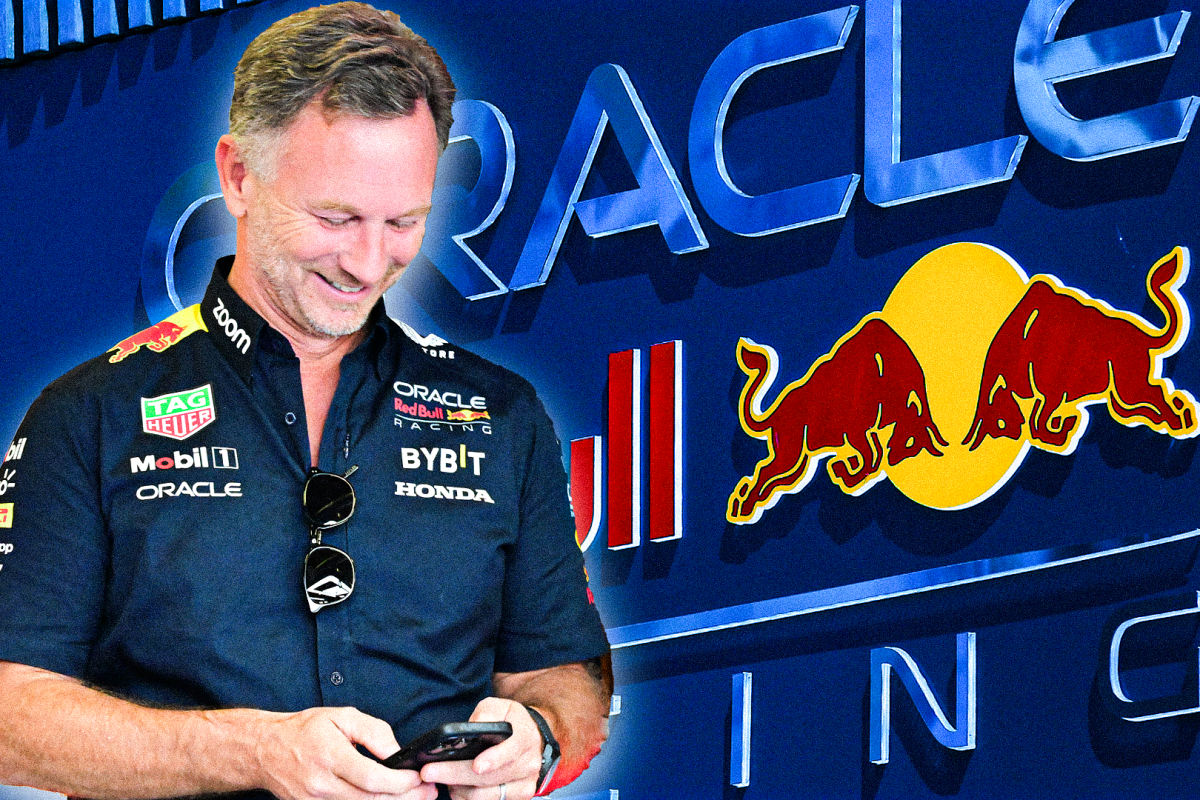
Christian Horner ‘Red Bull Takeover’ Claims Surface After Marko Exit
Former Red Bull Racing motorsport advisor Helmut Marko has made explosive claims regarding ex-team principal Christian Horner, alleging that the long-serving boss attempted to consolidate power within the Formula 1 team following the death of Red Bull founder Dietrich Mateschitz.
Marko, who recently stepped down from his role after two decades with the Milton Keynes-based outfit, has strongly denied suggestions that he was forced out, insisting that his departure was a personal decision rather than the result of internal pressure. However, his exit comes just months after Horner himself was dismissed from his position in July, marking the end of an era for two of the most influential figures in Red Bull Racing’s history.
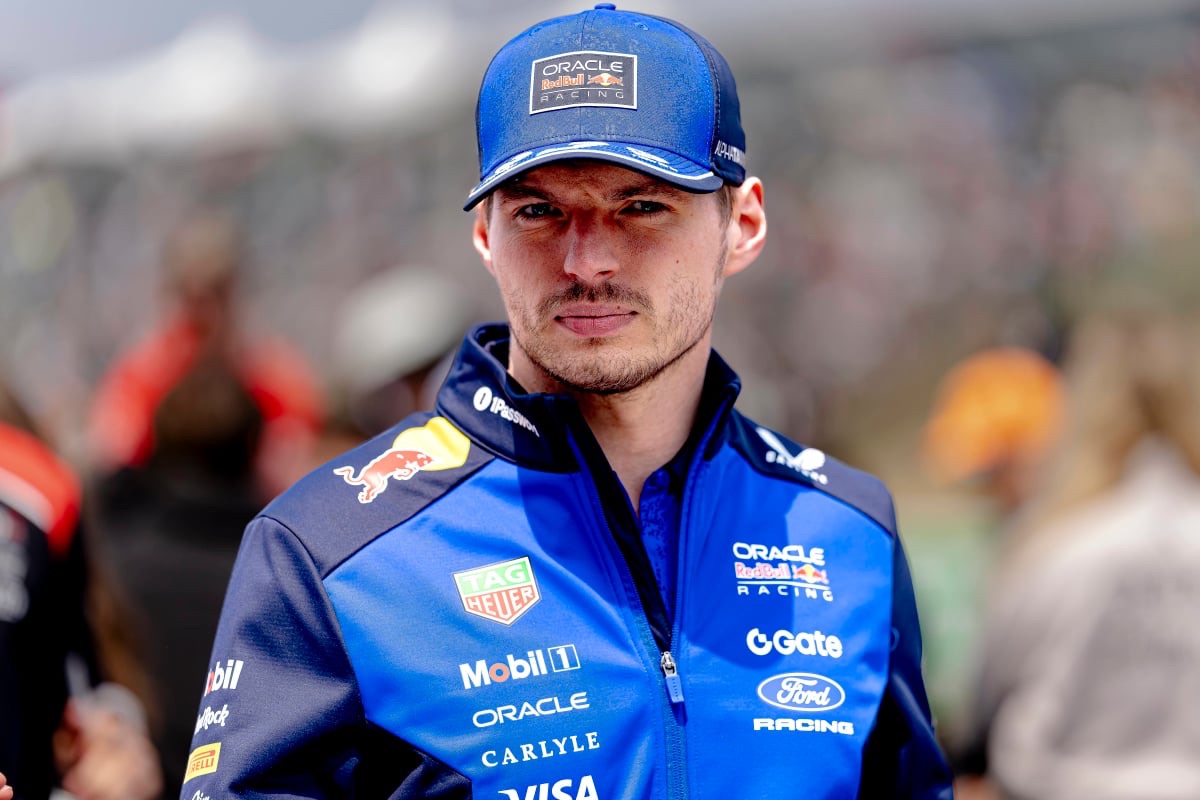
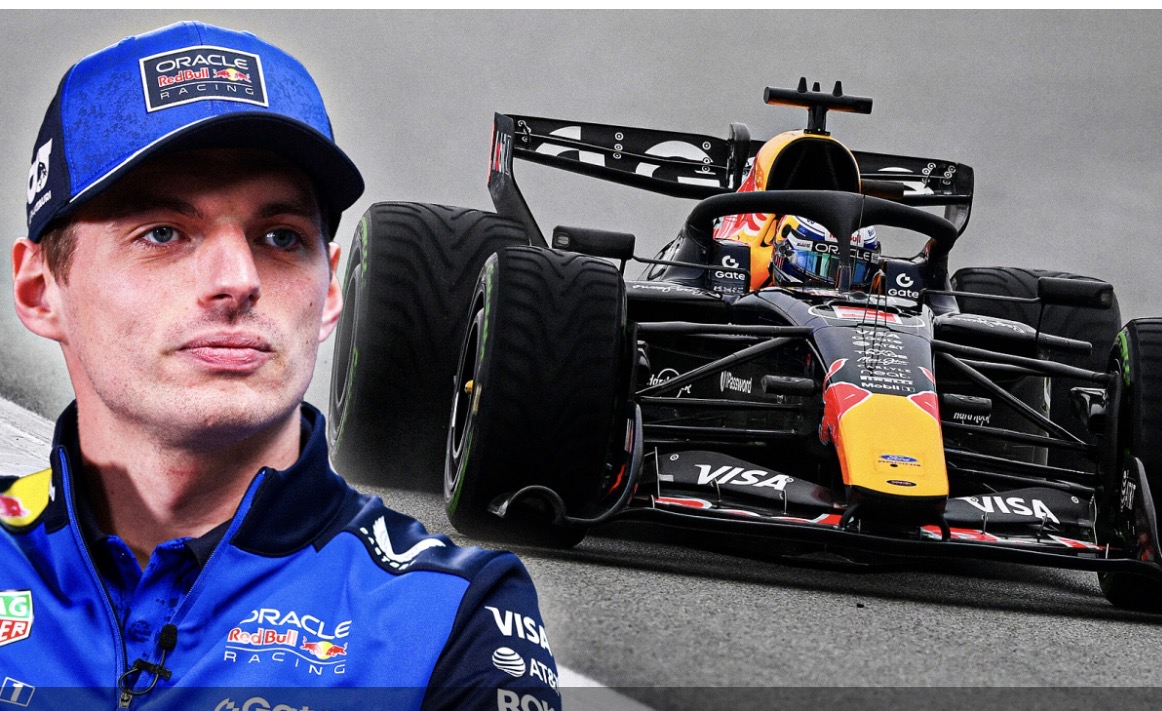
Between them, Marko and Horner were instrumental in building Red Bull into one of Formula 1’s most dominant teams. Since entering the sport in 2005, the duo oversaw the squad’s rise from midfield contenders to serial champions, securing six constructors’ titles and eight drivers’ championships. Much of that success was built on Marko’s eye for talent, with both Sebastian Vettel and Max Verstappen identified and nurtured under his guidance.
Despite their shared success, tensions between Marko and Horner had been widely reported in the latter stages of their tenure. Those rumours have now been reignited following a candid interview Marko gave to Dutch newspaper De Telegraaf, in which he detailed what he believes were Horner’s attempts to shift the balance of power within the organisation.
According to Marko, Red Bull Racing was originally structured so that ultimate authority rested in Austria, with Mateschitz maintaining final control. Marko described himself as an overseer within that framework, while Horner was appointed team principal to run the day-to-day operations in the UK.
“Together with Dietrich Mateschitz, I founded Red Bull Racing in 2005,” Marko explained. “We brought Christian Horner in as team principal, and I remained involved as a representative of Austria. The decision-making power always came from there.”
Marko went on to describe a key moment in 2022 that he believes triggered a shift in Horner’s approach. At a gathering ahead of the Austrian Grand Prix, Marko recalled a private conversation with Horner, during which the team principal allegedly suggested that Mateschitz, who was in poor health at the time, would not survive the year.
From that point, Marko claims Horner began to build closer ties with Chalerm Yoovidhya, the Thai co-owner of Red Bull GmbH. Following Mateschitz’s death later in 2022, Marko alleges that Horner attempted to leverage that relationship to gain greater control over the Formula 1 team.
“When Didi passed away, Christian did everything he could, with Chalerm’s backing, to take over,” Marko said. “I fought as hard as I could to protect Austria’s influence within the team.”
Yoovidhya, who owns a significant stake in the Red Bull empire, was long believed to be one of Horner’s strongest allies, particularly during periods of internal conflict. While Marko’s comments stop short of providing concrete evidence, they add fresh fuel to longstanding speculation about political divisions within Red Bull during the final years of Horner’s leadership.
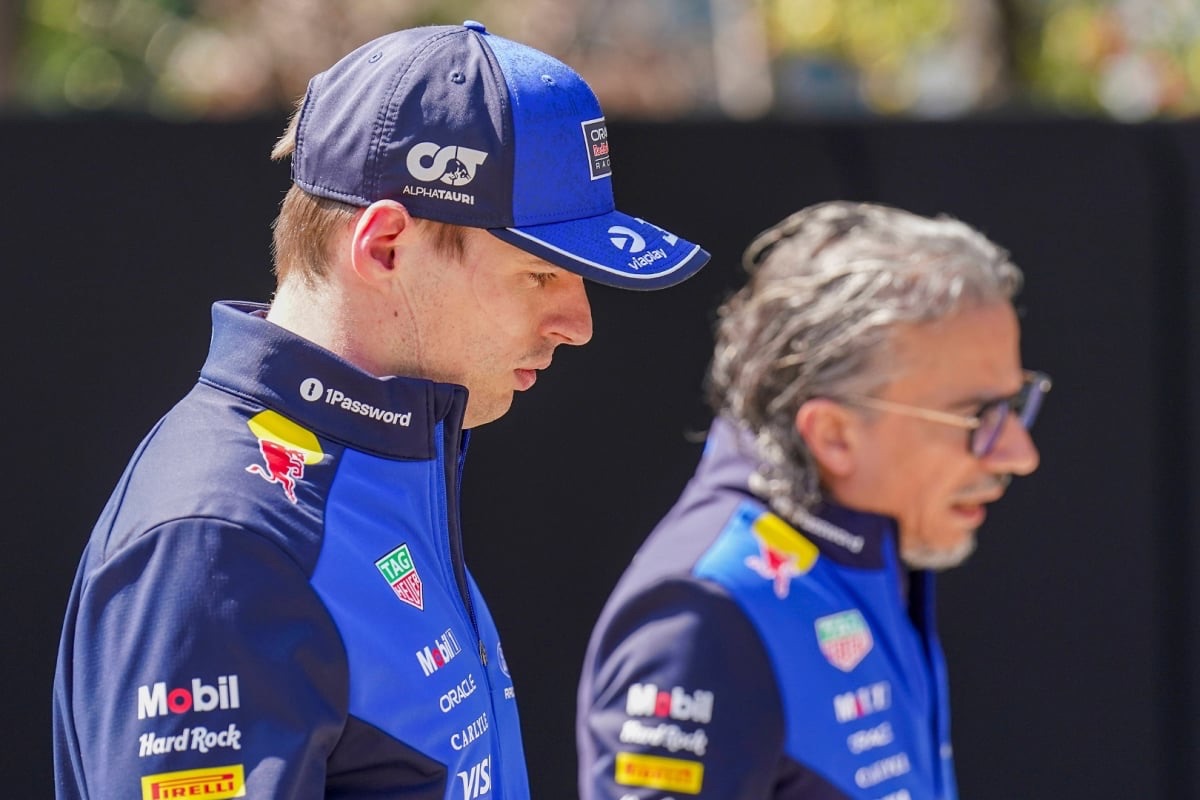
With both Marko and Horner now gone, Red Bull Racing finds itself at the start of a new chapter. Horner has been replaced as team principal by Laurent Mekies, whose early focus appears to be firmly on performance rather than internal politics. The Frenchman has already signalled a desire to streamline operations and extract maximum potential from the car and engineering group.
Meanwhile, speculation has surrounded the future of Marko’s role as motorsport advisor. Four-time world champion Sebastian Vettel has been loosely linked with the position, a move that would symbolise a generational shift and bring a fresh perspective to Red Bull’s driver development programme.
However, reports in German media suggest that Red Bull may choose not to appoint a direct replacement, at least for now, leaving the motorsport advisor role vacant as the team reassesses its long-term structure.
As Formula 1 approaches a major regulation overhaul in 2026, Red Bull faces a crucial transitional period. Alongside leadership changes, the team is also preparing for a new era as a power unit manufacturer, having partnered with Ford to develop its own engines.
With new management, new technical challenges, and a changing competitive landscape, Red Bull Racing is clearly turning the page. While Marko’s revelations may prolong debate about the team’s internal struggles, attention is now firmly shifting toward how the reigning powerhouse adapts to the future — and whether a fresh approach can sustain its success in the years ahead.