Christian Horner responds to Mercedes and Red Bull ‘cheating’ alle…read more
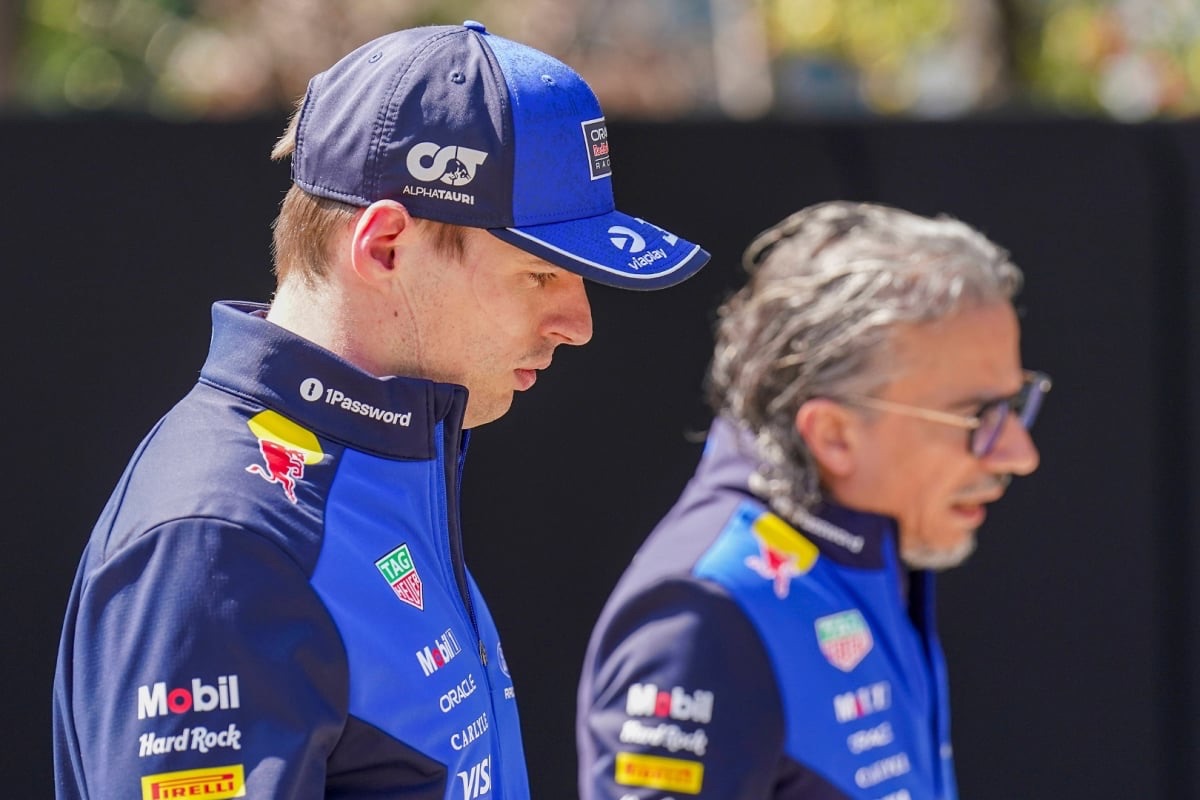
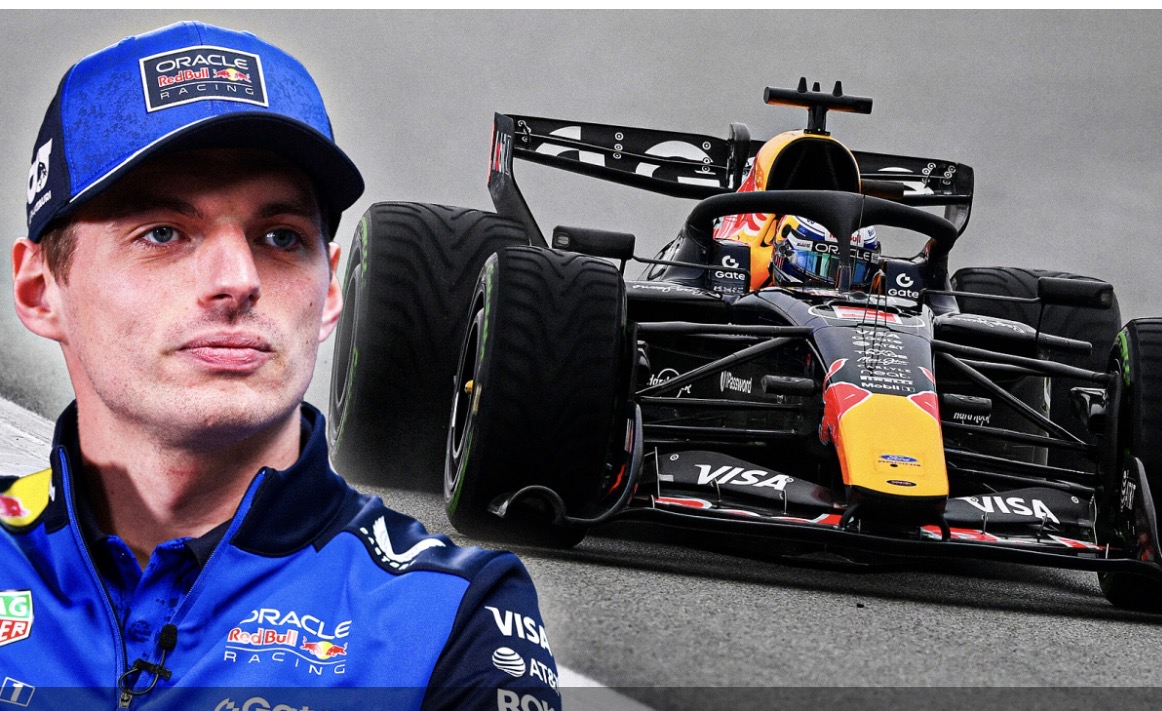
Christian Horner has addressed the growing controversy surrounding allegations that Mercedes and Red Bull may be exploiting a loophole in the upcoming Formula 1 engine regulations, rejecting claims that the two manufacturers are “cheating” and instead framing the situation as a normal part of competitive interpretation within the sport.
The debate centers on the 2026 Formula 1 power unit rules, specifically the permitted compression ratio of the internal combustion engine. Under the outgoing regulations, teams were allowed to run a compression ratio of 18:1. However, the new rule set reduces that figure to 16:1 in an effort to balance performance, efficiency, and sustainability targets. Both Mercedes and Red Bull Powertrains are understood to meet the required limit during official static testing procedures. The controversy arises from claims that, once the engines are running under real track conditions and higher temperatures, their effective compression ratios may increase beyond the stated limit.
According to paddock speculation, this potential operating window could deliver a performance gain worth as much as three tenths of a second per lap — a significant margin in modern Formula 1, where competitive gaps are often measured in hundredths. Rival manufacturers, including Ferrari, Honda, and Audi, are reportedly unhappy with this interpretation and have pushed the FIA to clarify whether such an approach should be considered legal.
The core of the dispute lies in measurement methodology. Current FIA procedures allow compression ratios to be verified accurately only when engines are static and cool. There is presently no universally accepted system for measuring compression ratios reliably when the engine is operating at full temperature and under dynamic load. Concerned manufacturers requested discussions with the FIA ahead of the Barcelona shakedown tests, hoping a new standardized high-temperature measurement method could be introduced. However, those talks concluded without a finalized agreement or immediate rule adjustment. As a result, for now, the Mercedes and Red Bull engine designs remain within the letter of the law.
Speaking during an interview on Australia’s Today show, Horner dismissed the suggestion that exploiting regulatory gray areas amounts to cheating. He pushed back strongly on the language used by critics and defended the long-standing F1 culture of innovation at the edge of legality.
“That’s a big accusation,” Horner said when asked about claims that the manufacturers were “cheating like wildcats.” He emphasized that Formula 1 has always rewarded teams that interpret rules creatively and effectively. According to him, engineering ingenuity — not just outright speed — has always been central to success in the championship.
He explained that the rulebook in Formula 1 is complex and often leaves room for interpretation. Teams that take a cautious or overly literal approach, he argued, rarely end up leading the field. Instead, progress tends to come from those willing to explore every technical avenue permitted by the wording of the regulations.
Formula 1, Horner noted, is driven by elite engineers constantly searching for performance gains. He described it as natural that technical departments study each clause of the rules and ask how far optimization can be pushed without breaching compliance. From that perspective, he suggested, innovation within regulatory boundaries should be expected rather than condemned.
Although Horner is no longer leading Red Bull following his departure in 2025, he played a major role in establishing the Red Bull Powertrains division that now produces the team’s engines in partnership with Ford. He was heavily involved in building the project’s early structure, recruiting senior technical talent — including several experienced figures from Mercedes’ Brixworth engine facility — and setting the strategic direction of the program.
Early indications from preseason running suggest that both Mercedes and Red Bull Powertrains have made strong starts with their 2026 engine packages. During the Barcelona shakedown sessions, Red Bull’s new power unit reportedly completed over 300 laps without major issues, an encouraging sign for reliability and integration. Mercedes’ program appeared even more robust in terms of mileage, logging roughly 500 laps across its test schedule and demonstrating solid operational consistency.
With no immediate regulatory change enacted following the FIA meetings, the compression ratio interpretation issue is likely to remain a talking point as development continues. Rival manufacturers may continue lobbying for clearer testing protocols, while Mercedes and Red Bull will maintain that their designs comply fully with the written rules.
As Formula 1 enters a new technical era, the episode highlights a familiar pattern in the sport: when regulations shift, innovation races ahead — and disputes over legality often follow close behind.