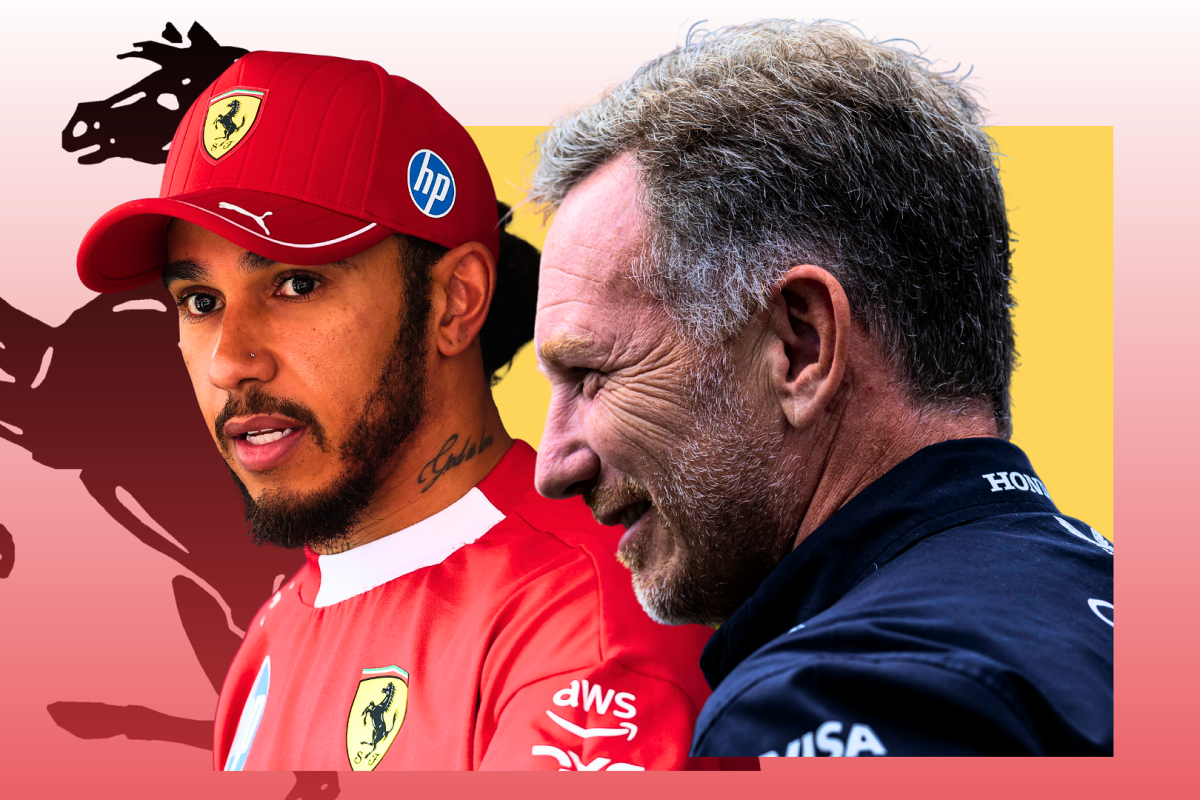
Christian Horner’s Path Back to F1 Could Lead Straight to Ferrari — and Lewis Hamilton
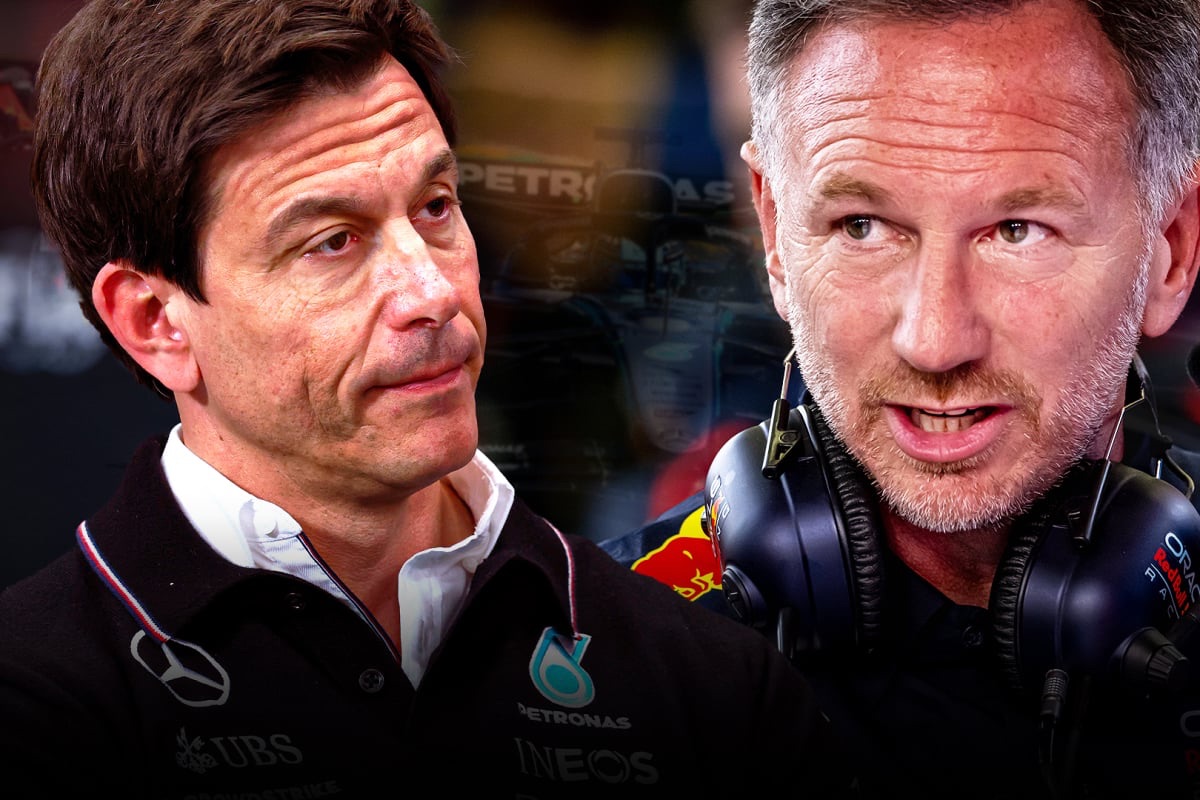
Since the moment Christian Horner was removed from his position at Red Bull in July, the Formula 1 world has not stopped buzzing about his future. His departure created a vacuum of speculation, and the sport has repeatedly circled back to the same question: Where will Christian Horner land next?
It’s easy to understand why. When someone builds a modern F1 powerhouse, leads multiple world championship campaigns, and consistently assembles winning structures year after year, such a person rarely fades quietly into the background. Like him or not, Horner is simply too accomplished, too influential, and too experienced to disappear from the F1 landscape without another chapter being written.
Over the past months, his name has been tied to several teams. Some rumours bordered on absurd—suggestions like Alpine or Haas felt more like fantasy than reality. Yet one link has stubbornly remained in circulation: Ferrari. This rumour persists not because it is outrageous, but because it actually adds up.
Ferrari, as always, sits at a crossroads. The team is desperate to reclaim its place at the top, and with Lewis Hamilton now part of their project, expectations are higher than ever. Many believe Horner is one of the few figures in the paddock who understands exactly how to rebuild a team into a championship-winning machine. Others have already broken down the technical and structural reasons he would suit Ferrari, so instead, the question becomes more interesting: Why might Christian Horner need Lewis Hamilton — and why might Lewis Hamilton need Christian Horner?
Surprisingly, the pair could form one of the sport’s most powerful alliances, even if on paper they seem completely incompatible.
Why Hamilton Might Be Wary of Horner
The tension between them goes back years. Horner was the commander of Red Bull during the infamous 2021 Abu Dhabi finale. It was his persistent lobbying and pressure on FIA officials during that race that contributed to race director Michael Masi creating the chaotic restart which allowed Max Verstappen to take the title on the final lap. That moment robbed Hamilton of what many feel should have been his record-breaking eighth championship.
Whether Horner acted deliberately or simply played the political game better that night, Hamilton’s heartbreak has long been connected to Horner’s influence.
Then there are the off-track concerns. Horner’s image took a significant hit when he became the subject of a Red Bull internal investigation over allegations of inappropriate behaviour. He was eventually cleared, but in the court of public opinion, accusations—fair or not—tend to linger long after the verdict.
Lewis Hamilton, by contrast, has cultivated an image of social responsibility and integrity. He champions equal opportunities, mentors younger drivers, supports women in motorsport, and often uses his influence for causes that extend far beyond racing.
So on the surface, Hamilton and Horner are opposites—philosophically, morally, politically, and publicly. They appear to be an impossible pairing.
Why Ferrari Might Need Them Together
But Formula 1 is not built on harmonious relationships. It is built on performance. And performance often requires uncomfortable partnerships.
If Ferrari truly wants to maximise the Hamilton era and deliver him the environment he needs to chase that elusive eighth world title, they may ultimately decide that Horner is the missing ingredient. His track record speaks for itself:
Two decades of leadership at Red Bull
Several constructors’ championships
Years of operational excellence
The ability to build a winning culture from the ground up
Hamilton knows exactly how competitive Horner-made teams are — he spent years fighting them.
Even if Horner and Hamilton never become personal allies, they could still build a powerful professional relationship. In F1, success often comes from pairing contrasting personalities whose goals align. What matters is mutual ambition, not mutual affection.
Ferrari, Hamilton, and Horner forms a trio that would have seemed absurd only a few years ago. Yet today, it may be the most logical combination for all parties involved.
Ferrari gains a proven team builder.
Hamilton gains the leadership structure he needs to perform at his peak.
And Horner gains the chance to lead another historic chapter in F1.
In a sport full of unlikely alliances, this could be the most game-changing one yet.