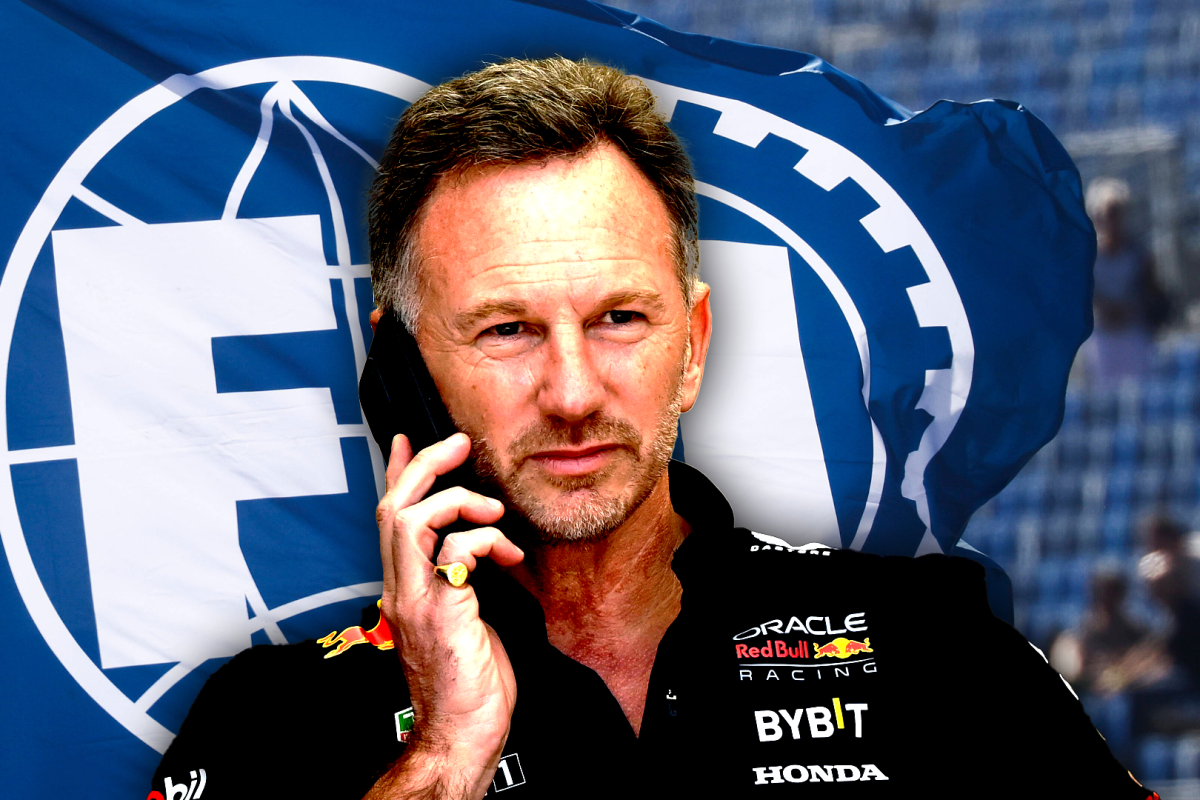
Tension is rising across Formula 1 as calls grow louder for Christian Horner to make a dramatic return, with major FIA decisions looming that could reshape the competitive order of the 2026 season.
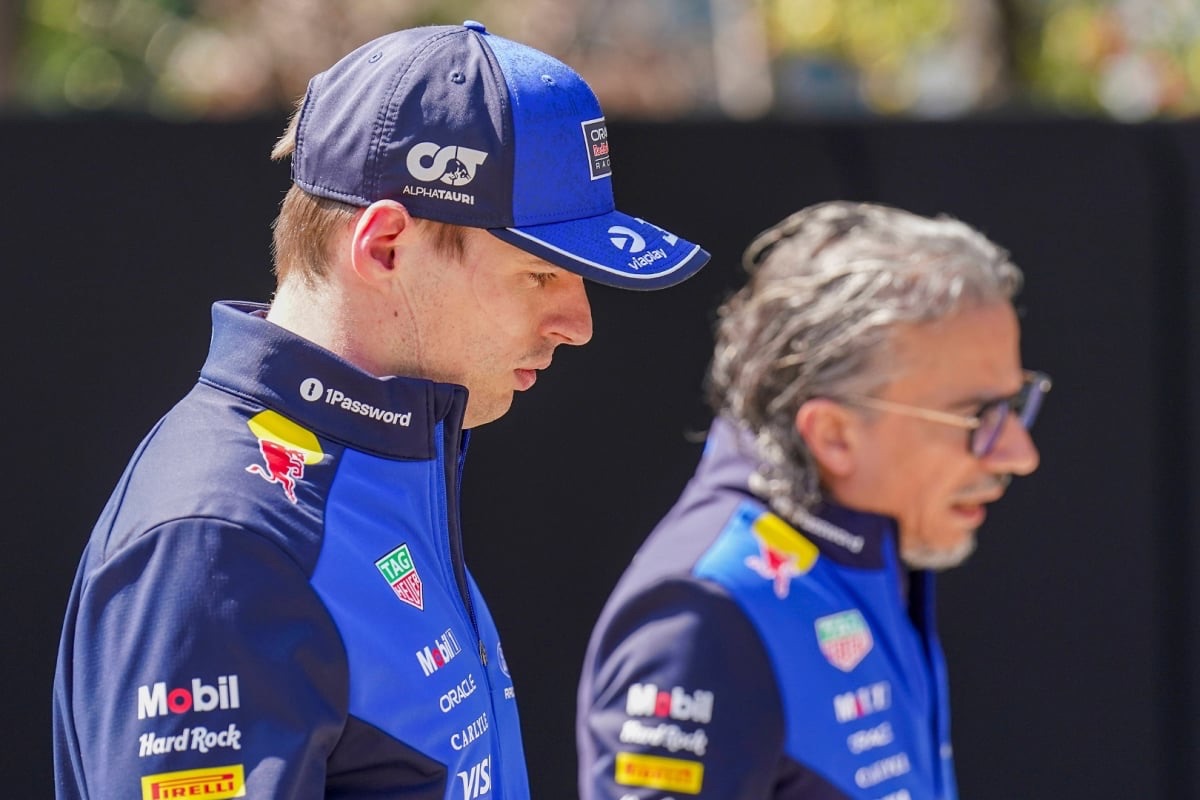
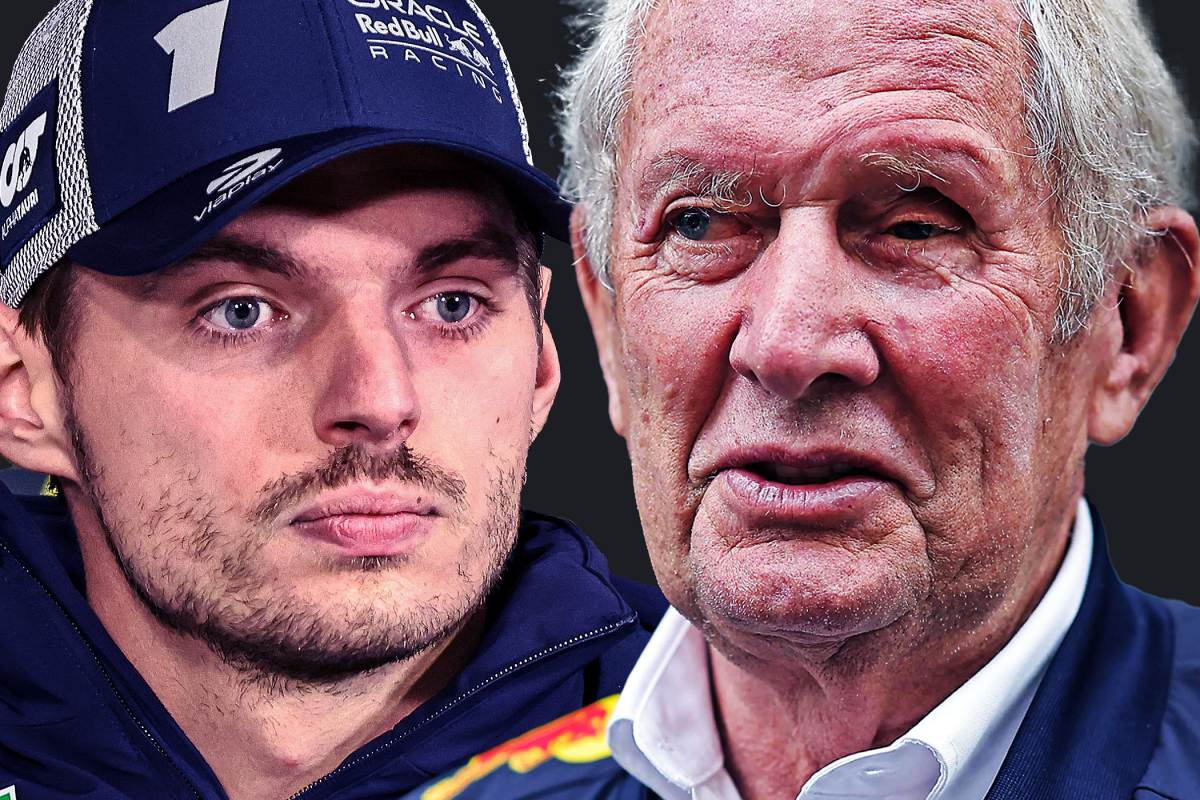
The spotlight has also turned toward Max Verstappen, whose increasingly outspoken stance on the sport’s direction is raising eyebrows within the paddock. Since Horner’s departure from Red Bull Racing, Verstappen appears more willing to publicly question Formula 1’s regulations and long-term vision. The reigning champion has not hidden his frustration, even suggesting that he could walk away from the sport if significant rule changes are not introduced.
This shift in tone has sparked debate over whether Horner’s leadership played a crucial role in keeping Verstappen focused and grounded. Known for his strong management style and ability to shield his drivers from external pressures, Horner was widely seen as a stabilizing force within Red Bull. Without him, some insiders believe Verstappen has felt freer to express concerns that may have previously been handled behind closed doors.
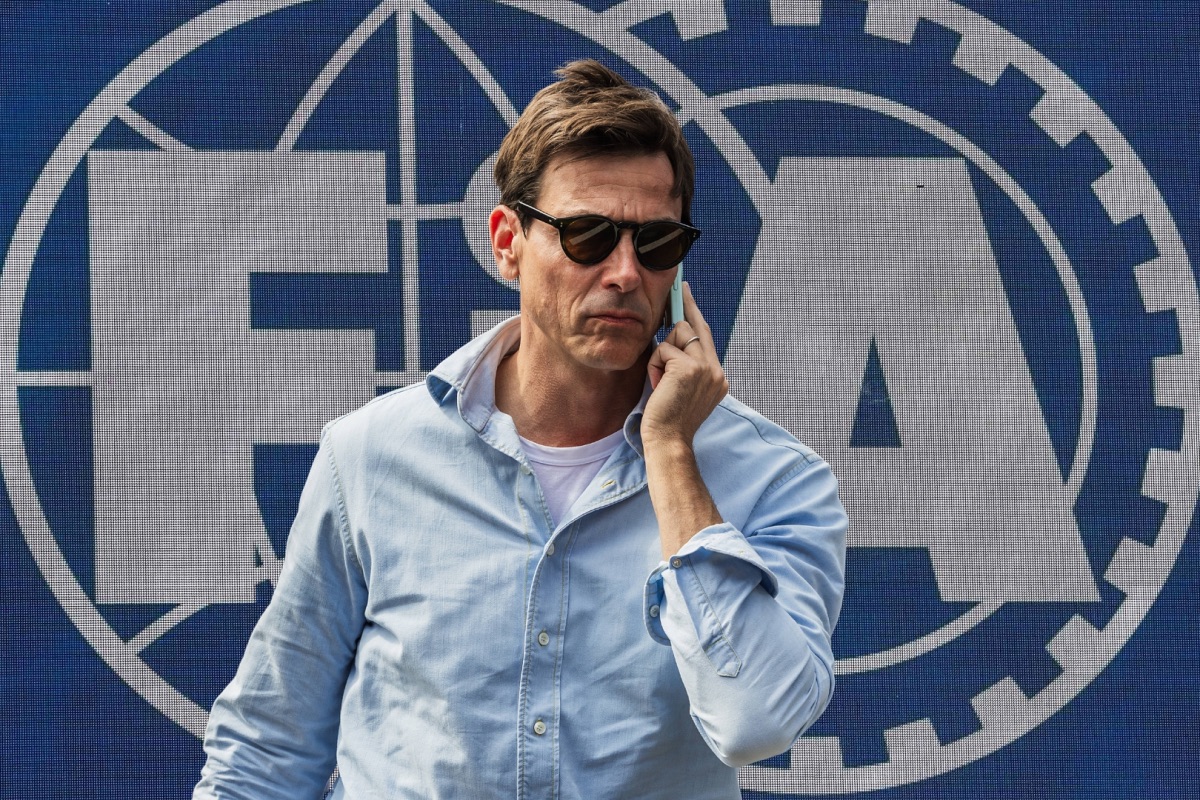
Meanwhile, the governing body, FIA, is at the center of another developing storyline that could dramatically impact the championship battle. Mercedes-AMG Petronas Formula One Team has surged ahead in the early races of the 2026 campaign, establishing itself as the clear team to beat. With dominant performances and consistent results, Mercedes currently looks well-positioned to challenge for both the drivers’ and constructors’ titles.
However, that dominance may soon be tested. Reports suggest that the FIA is considering a “double ruling” that could curb Mercedes’ advantage. While details remain unclear, such regulatory interventions have historically played a decisive role in reshaping competitive balance within Formula 1. Any changes targeting technical or operational aspects of Mercedes’ package could open the door for rivals to close the gap.
The timing of these potential rulings is particularly significant. With the season still in its early phase, any adjustments could have long-lasting consequences on the championship fight. Teams like Red Bull and others will be watching closely, hoping for an opportunity to capitalize if Mercedes’ momentum is disrupted.
As these storylines unfold, Formula 1 finds itself at a crossroads. On one hand, there is the internal dynamic at Red Bull, where questions linger about leadership and driver management in the absence of Horner. On the other, there is the broader regulatory landscape, with the FIA once again poised to influence the competitive order.
For Verstappen, the coming months could prove decisive—not just in terms of results, but also in shaping his future in the sport. And for the rest of the grid, the potential FIA rulings could be the key factor that determines whether Mercedes’ early dominance turns into a season-long stranglehold or fades under regulatory pressure.