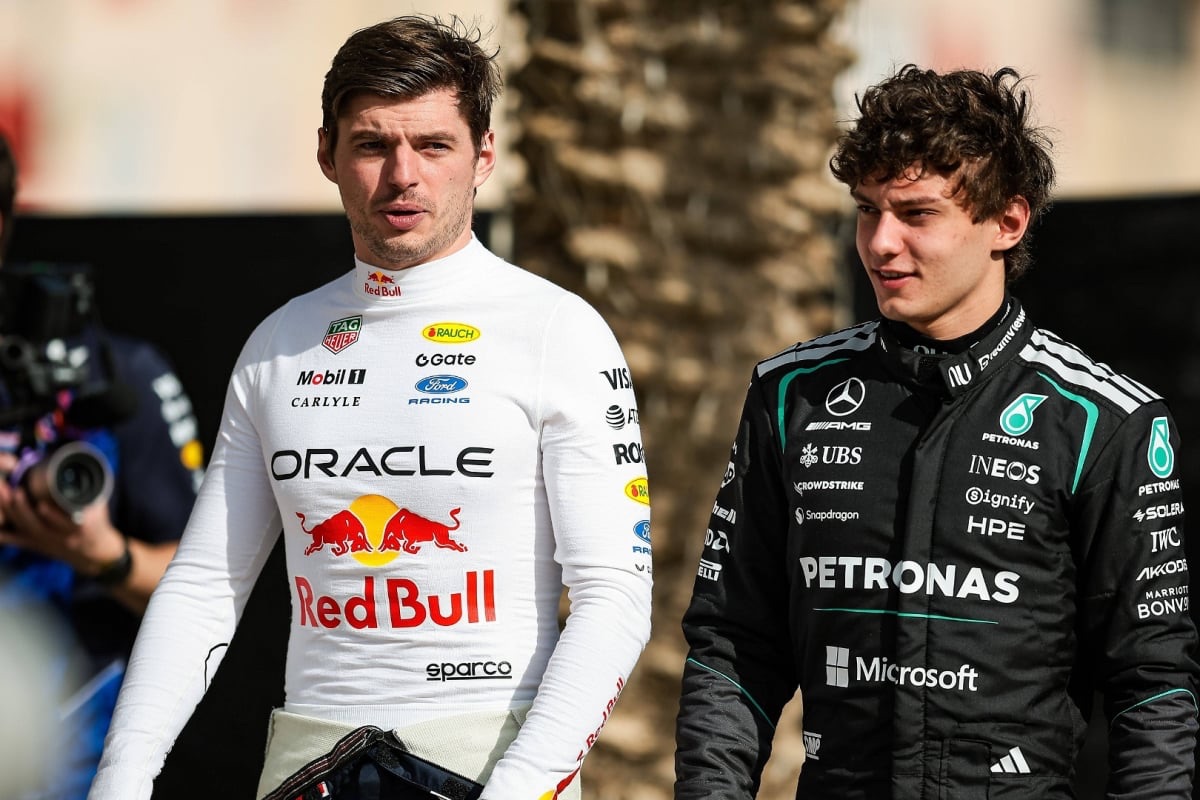
‘Disrespectful’: Max Verstappen Urged to Rethink Criticism as Formula E Driver Speaks Out
Emerging Formula E talent Pepe Martí has called on Formula 1 figures—most notably reigning world champion Max Verstappen—to show greater respect when comparing racing series, warning against using Formula E as a negative benchmark in discussions about the future of F1.
Martí, who made the switch from FIA Formula 2 Championship to Formula E last year, acknowledged that the all-electric championship does not yet rival the prestige and global influence of Formula One. However, he emphasized that such differences should not invite dismissive or disrespectful comparisons.
His comments come in response to ongoing criticism from within the F1 paddock, where some drivers and teams have expressed frustration over recent technical changes and race dynamics. Verstappen, in particular, has drawn attention after previously describing modern F1 racing as resembling “Formula E on steroids”—a remark that has not gone down well with those involved in the electric series.
For Martí and others in Formula E, such statements imply that being likened to their championship is inherently negative. He believes that perspective undermines the dedication of engineers, drivers, and organizers who are working tirelessly to grow the sport.
Speaking in an interview with Soy Motor, Martí highlighted that each racing category has its own unique identity and should be appreciated on its own terms. Referencing comments made by Alberto Longo, Martí explained that every championship is defined by its core philosophy—Formula E by its electric innovation and sustainability focus, and Formula 1 by its deep-rooted history and technical evolution.
He admitted that Formula 1 may have drifted slightly from what many fans traditionally associate with the sport, particularly in the early stages of the current season. Even so, Martí stressed that such transitions are part of motorsport’s natural progression and should not lead to harsh or dismissive judgments.
According to Martí, no one anticipated the current direction F1 would take so quickly, especially with the ongoing adjustments to car design and performance regulations. However, he urged both drivers and fans to remain patient, drawing parallels with past eras of change in the sport.
He pointed to the introduction of the V6 hybrid engines as a prime example. When they were first introduced, they faced widespread criticism, with many claiming they diluted the spectacle of Formula 1. Yet over time, those same power units evolved into some of the most advanced and efficient engines in motorsport history, eventually powering the fastest cars the sport has ever seen.
Martí believes a similar trajectory could unfold with the current generation of cars, provided stakeholders allow time for development and refinement. Instead of resorting to comparisons that diminish other series, he advocates for a more constructive approach—one that recognizes the efforts being made across all forms of racing.
Ultimately, Martí’s message is one of respect and perspective. While Formula 1 remains the pinnacle of motorsport, he insists there is no justification for “punching down” at championships like Formula E. Both series, he argues, play important roles in shaping the future of racing, each contributing in its own way to innovation, competition, and global fan engagement.
As debates over the direction of Formula 1 continue, Martí’s comments serve as a reminder that progress in motorsport often comes with growing pains—and that respect between disciplines is essential for the sport’s broader evolution.