Drama as Isack Hadjar suffers huge Red Bull F1 crash following…read more
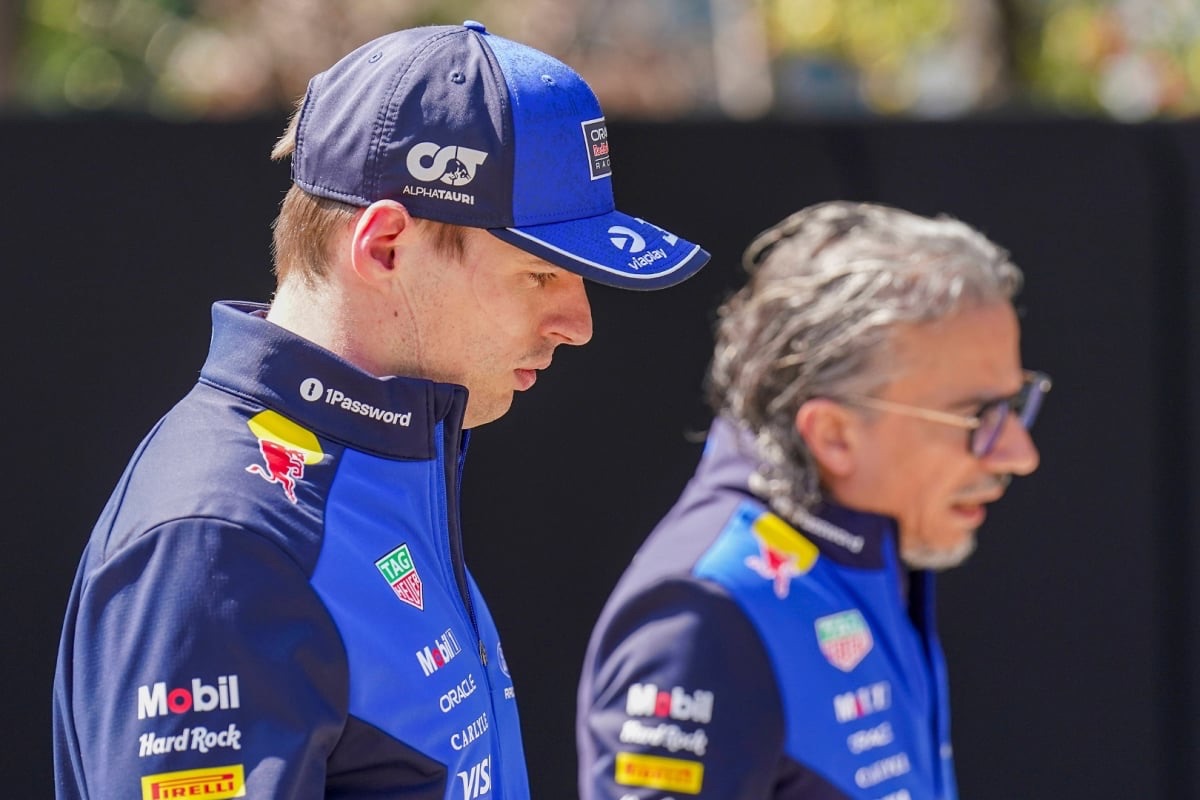
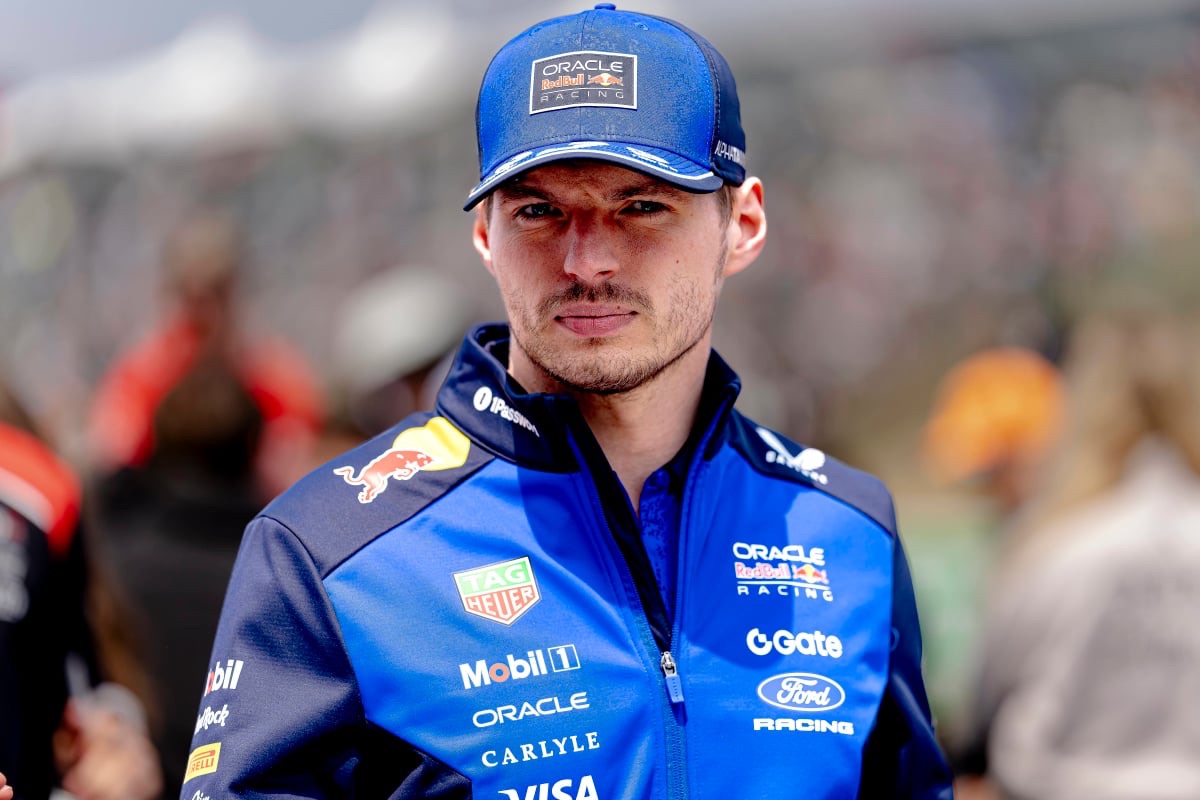
Isack Hadjar’s latest outing in Formula 1 pre-season testing ended on a sour note after the Frenchman suffered what is believed to be his first crash as a Red Bull Racing driver, bringing his Barcelona programme to an abrupt halt. The incident cut short an otherwise encouraging test for the 21-year-old, who is preparing for his first full season with one of Formula 1’s most demanding teams.
Hadjar was taking part in the second day of running at the Circuit de Barcelona-Catalunya, as teams continued their behind-closed-doors preparations for the 2026 Formula 1 season. The Barcelona test is a vital phase in the build-up to the championship, giving drivers valuable time to acclimatise to new machinery while engineers fine-tune setups and evaluate the behaviour of revised components under real-world conditions.
The drama unfolded during the final hour of the day’s running. According to reports, Hadjar lost control of the car at Turn 14, one of the circuit’s fastest and most technically challenging corners. Conditions were far from ideal, with wet weather complicating matters and placing extra demands on grip, balance, and tyre management. Such circumstances can be particularly unforgiving during testing, when drivers are often pushing unfamiliar cars close to their limits in order to extract meaningful data.
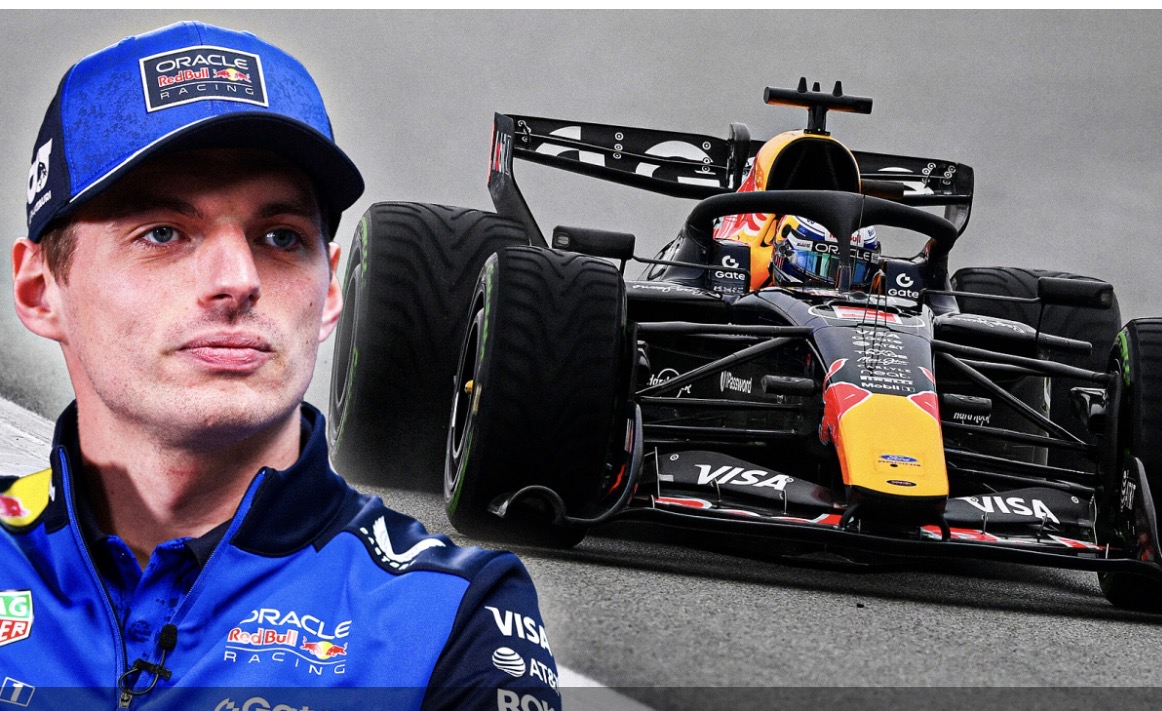
Red Bull was among the few teams to commit to running during both scheduled sessions that day. World champion Max Verstappen had driven the new RB22 earlier in the week, completing the opening morning session, before handing over to Hadjar for the afternoon. The Frenchman had already logged laps on Monday as well and was completing his final planned runs when the crash occurred.
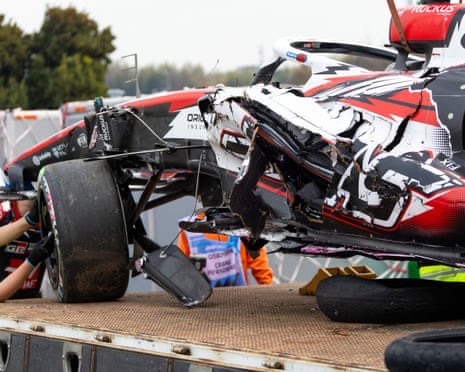
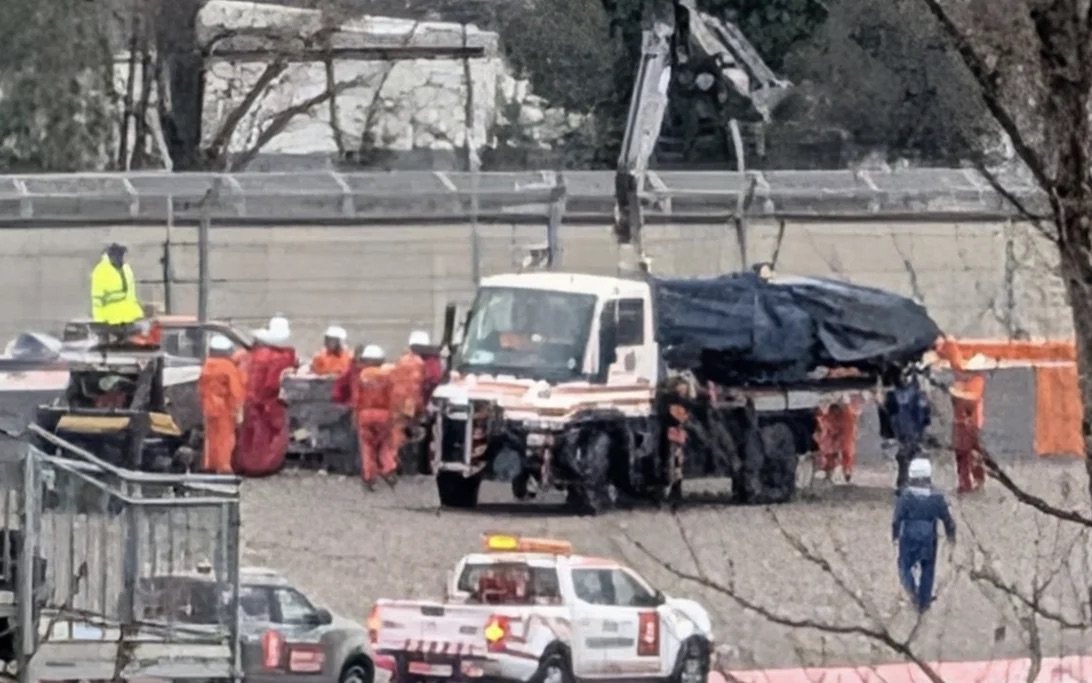
The incident immediately ended Hadjar’s day, with images soon circulating on social media showing marshals recovering the damaged Red Bull from the runoff area. While the full extent of the damage has not been officially detailed, any accident during testing is an unwanted setback, as it disrupts carefully planned run schedules and forces teams to divert time and resources into repairs and inspections.
At the time of writing, Red Bull has not confirmed the precise cause of the crash. Whether it was triggered by reduced grip in the wet, a mechanical issue, or simple driver error remains unclear. What is certain is that pre-season testing is designed to maximise uninterrupted running, and incidents like this inevitably slow progress as engineers analyse what went wrong and ensure the car is safe to return to the track.
For Hadjar, the crash adds another chapter to a career that has already featured both standout highs and difficult lows. After impressing in the junior categories, he made his Formula 1 debut with Racing Bulls in 2025. His rookie season showed clear promise, highlighted by a remarkable podium finish at the Dutch Grand Prix, which immediately marked him out as one of Red Bull’s most exciting young prospects.
That season, however, was not without its challenges. One of the most talked-about moments came at the Australian Grand Prix, where Hadjar crashed on the formation lap and was unable to start the race. The emotional aftermath of that incident drew widespread attention, particularly after Anthony Hamilton, father of seven-time world champion Lewis Hamilton, publicly offered him support.
Despite such setbacks, Hadjar’s overall trajectory has been firmly upward. Consistent points finishes and flashes of genuine pace convinced Red Bull’s management that he was ready for promotion, earning him a coveted seat at the senior team for 2026 — an opportunity few drivers ever receive.
That promotion brings heightened expectations. Red Bull enters every season with championship ambitions, and drivers are expected to perform under relentless pressure. Hadjar’s ability to adapt quickly, build trust with his engineers, and deliver consistent results will be closely monitored as the season approaches.
While the Barcelona crash is an unwelcome moment, it is far from unusual in the context of pre-season testing. These sessions often involve experimental setups, unfamiliar handling characteristics, and challenging conditions, all in the pursuit of performance gains. Even the most experienced drivers have been caught out during testing, particularly when weather conditions turn unpredictable.
Importantly for Hadjar, reports from the first day of the Barcelona test were highly positive. He completed a strong programme, covered a healthy number of laps, and demonstrated encouraging pace in the new car. Within the team, the opening day was described as productive, with valuable insights gained into the car’s behaviour under the latest technical regulations.
The focus now shifts to recovery and response. Crashes, while undesirable, can provide teams with useful information about the limits of a car and highlight areas for improvement. How quickly Red Bull can analyse the data, repair any damage, and resume effective running will be crucial as the countdown to the first race continues.
In the bigger picture, this setback does little to derail Hadjar’s long-term prospects. Formula 1 is a sport defined by fine margins and constant learning, and early-career adversity often plays a role in shaping top drivers. With talent, speed, and a major opportunity now in his hands, how Hadjar responds to this moment could prove just as significant as any lap time as he embarks on his Red Bull chapter in 2026.