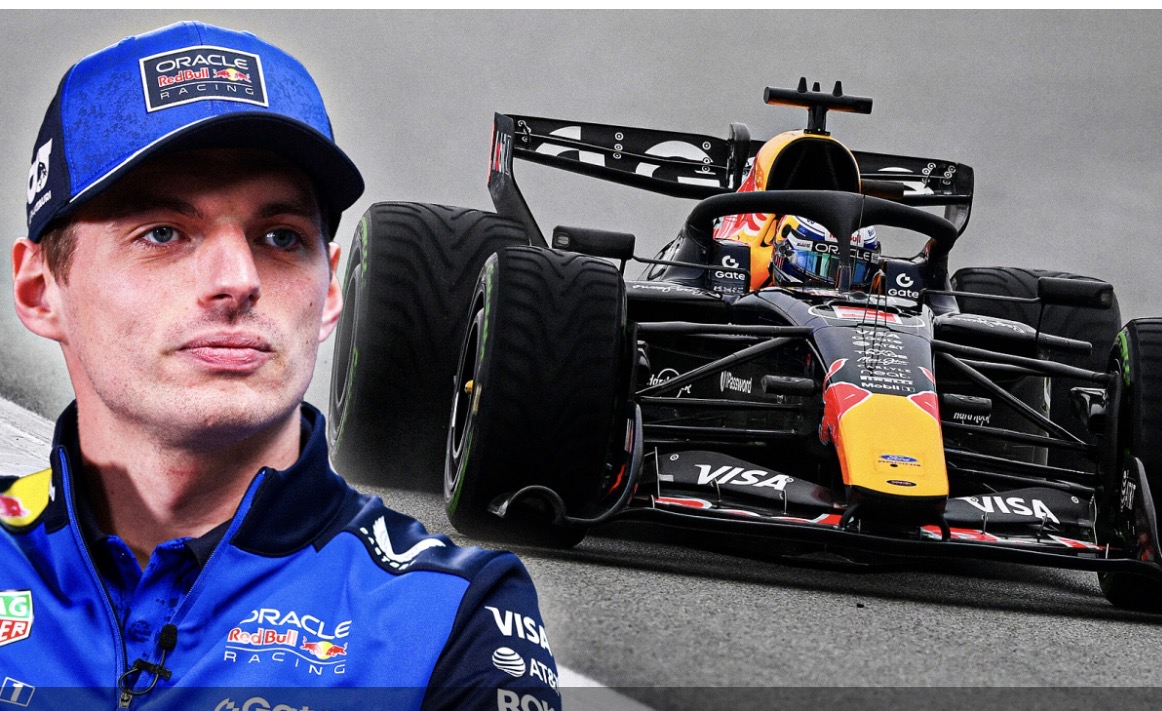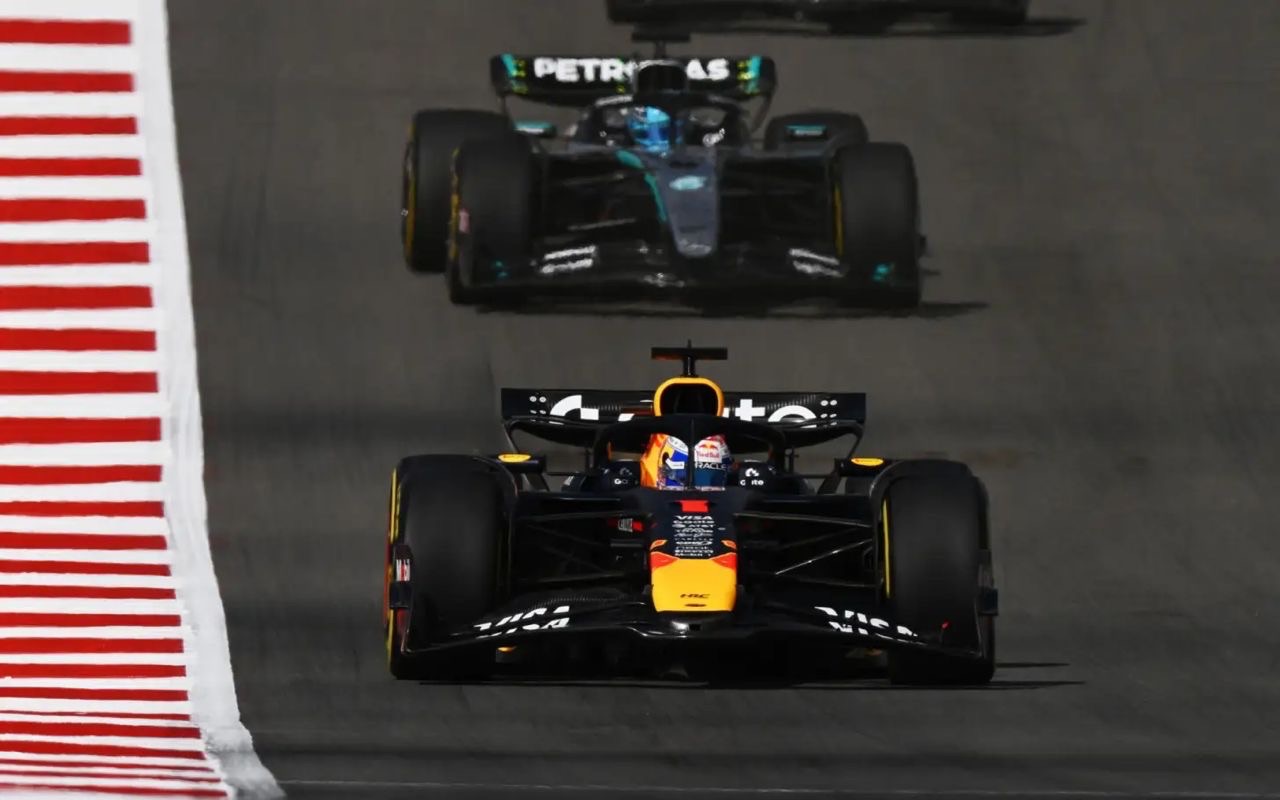
In the high-stakes world of Formula One racing, where engineering is as much a battleground as the racetrack itself, a new controversy has erupted involving two of the sport’s most powerful teams: Red Bull Racing and Mercedes-AMG Petronas F1 Team. According to a report published just today, both teams have recently come under intense scrutiny from the sport’s governing body, the Fédération Internationale de l’Automobile (FIA), as questions swirl about possible interpretation and exploitation of the technical regulations for the forthcoming 2026 Formula One season.
At the core of this drama is a sensitive and strategically vital area of Formula One technology: the power units—the sophisticated hybrid engines that combine internal combustion and electric power to drive the fastest road-legal racing cars in the world. The 2026 season is set to introduce new power unit regulations designed to emphasize efficiency, sustainability, and fair competition, including tighter rules on how engines are constructed and operated. However, recent developments suggest that even these carefully crafted rules may not be immune to creative engineering and political pressure within the paddock.
The controversy began when observers and rival manufacturers raised concerns that both Red Bull and Mercedes might be exploring what some in the paddock described as a technical “grey area” in the new 2026 power unit regulations. Specifically, the issue relates to how engine compression ratios are defined and enforced. Under the revised rules, all Formula One power units must adhere to a maximum geometric compression ratio of 16:1. The geometric compression ratio is a fundamental engine parameter, defining how much the fuel-air mixture is compressed inside the cylinder before ignition — a key factor in how much power an engine can generate.
Before the regulation changes, Formula One engines typically ran at a higher ratio (18:1), which helped deliver significant power while still balancing reliability and fuel efficiency. But with sustainability and energy efficiency becoming central to the sport’s future, the FIA’s decision to reduce the allowable compression ratio is intended to curb peak power output and align Formula One with global trends in cleaner, more energy-efficient mobility. Critics of the new rule warned that reducing compression might dampen performance, but proponents argued that innovation under restriction is what defines the sport.
The alleged issue that triggered the latest controversy stems from the possibility that teams might develop systems that appear legal in static inspection (such as during pre-race scrutineering), but in reality operate in a way that deviates from the intended spirit of the rule when the car is on the track. In theory, a mechanism could be devised that allows the compression ratio to satisfy the 16:1 limit during inspection checks but then adjust dynamically during actual running to deliver higher effective compression and therefore more power — potentially up to a 15-horsepower advantage. In Formula One, where races are often won or lost by tenths or even hundredths of a second per lap, such an advantage could prove decisive.
These concerns rapidly spread throughout the paddock. Rival engine manufacturers—most notably Audi, Honda, and Ferrari—are believed to have formally approached the FIA, requesting immediate clarification and rigorous enforcement to prevent any exploitation of loopholes in the rules. These manufacturers, who are heavily invested in the new engine regulations and want a level playing field, expressed alarm that such dynamic systems, even if technically arguable, should be explicitly ruled illegal to avoid confusion and potential controversy once the season begins.
Responding to the mounting pressure, the FIA moved quickly to tighten the regulatory language. In communications to teams and technical departments, the governing body made it clear that the intent of the rule is paramount: any system that allows the engine’s compression ratio to exceed the 16:1 limit during normal competition operation would be considered against the rules, regardless of whether it passed static testing. This move was designed both to reassure rival teams and to send a message that the FIA intends to enforce technical regulations consistently and transparently.
During this period of regulatory clarification and posturing, Red Bull and Mercedes, two of the most successful and resource-rich teams in Formula One, found themselves at the center of the storm. Reporters and analysts speculated that both teams may have been investigating the controversial concept, or at least researching paths that skirt the boundaries of the regulations. While there has been no official accusation of wrongdoing by the FIA against either team at the time of writing, the mere association with exploiting a grey area has sparked debate about fairness and competitive ethics.
From Red Bull’s perspective, any technological innovation that stays within the letter of the rules is traditionally seen as legitimate — indeed, pushing technical boundaries has long been a hallmark of the team’s approach. Mercedes, too, is no stranger to controversies over interpretation of regulations: throughout the hybrid era and into the current regulatory cycles, they have often been involved in disputes over technical interpretations and the enforcement actions taken by the FIA. In this case, both teams have defended their engineering approaches and welcomed the FIA’s clarifications, emphasizing that maintaining competitive integrity is vital for the sport’s future.
To further safeguard against future disputes, the FIA didn’t stop at compression ratios. Regulators turned their attention to another vital element of the 2026 engine package: fuel-flow measurement systems. Under the new rules, fuel usage is governed by an energy-based cap (measured in megajoules per hour) rather than a simple volume or mass flow limit. This shift is designed to help standardize energy usage across different fuel compositions and sustainable blends. However, the FIA noticed a potential weakness in the original wording of the rule regarding fuel-flow meter temperature controls. Previously, only intentional interference was forbidden — an ambiguous standard that could be exploited. The updated wording now bans any device or method used to alter the temperature of the fuel-flow meter, eliminating fuzzy interpretations about whether a temperature change was intentional or incidental.
Overall, this latest regulatory drama highlights how intricate and politically charged Formula One technical development has become. In an era when hybrid power units are the centerpiece of global automotive evolution, every possible advantage is scrutinized intensely. The FIA’s proactive approach in tightening regulations before the 2026 season may well prevent a larger controversy once engines hit the track in competition. Meanwhile, teams like Red Bull and Mercedes — despite their immense resources and world-leading engineering talent — must navigate a landscape where innovation and regulation continually clash.
In conclusion, what began as a technical discussion about compression ratios and fuel-flow measurement has grown into a broader debate about how Formula One manages innovation, enforces fairness, and maintains sporting integrity. With the 2026 season fast approaching, both the FIA and the teams will be watching closely to ensure that disputes are settled in the workshop and the regulatory office — not on the race track itself.