Drama Begins Early With Red Bull Shock Decision
Red Bull are reported to have reversed their position in the middle of a growing FIA controversy concerning a potential loophole in the 2026 Formula 1 engine regulations, adding another layer of intrigue ahead of the new season.
With the first race of the 2026 F1 campaign now just weeks away, teams are entering the final stretch of preparations. Official pre-season testing is scheduled to take place in Bahrain soon, following an earlier private shakedown session in Barcelona last month. That initial running offered the first meaningful glimpse into how teams are adapting to the sweeping technical rule changes, particularly the revised power unit package that will define the next era of the sport.
Among the manufacturers, Mercedes have reportedly drawn significant attention after showing strong early reliability figures during the Barcelona running. According to paddock reports, the team logged around 500 laps across their test programme, shared between George Russell and rookie Kimi Antonelli. Such mileage, if accurate, suggests that Mercedes may have made a smooth start in mastering the complex new engine systems introduced under the 2026 regulations.
However, the focus has shifted from reliability to legality, as speculation grows around a possible interpretation advantage that Mercedes may have discovered within the new rules. Rival teams and FIA officials are now said to be examining whether a technical grey area has been exploited — specifically involving engine compression ratios — which could translate into a notable performance gain.
The controversy centres on changes made to the internal combustion engine specifications for 2026. Under the previous engine formula, teams operated with a compression ratio set at 18:1. The updated regulations lowered that figure to 16:1 as part of a broader effort to reshape power delivery, efficiency, and sustainability targets. The intention behind the reduction was to standardise performance characteristics and control development paths across manufacturers.
Yet reports suggest Mercedes engineers may have identified a method of achieving a higher effective compression ratio than their competitors while still remaining within the written framework of the rules. If true, this would potentially allow for increased combustion efficiency and power output — a significant edge in a tightly contested field where marginal gains can define championship outcomes.
The FIA, along with several rival teams, are believed to be reviewing the situation closely. Clarifications or technical directives are common when new rule cycles begin, as unforeseen interpretations often emerge once designs move from theory to track application. Whether this case results in a rule adjustment, a formal clarification, or is deemed fully compliant remains to be seen.
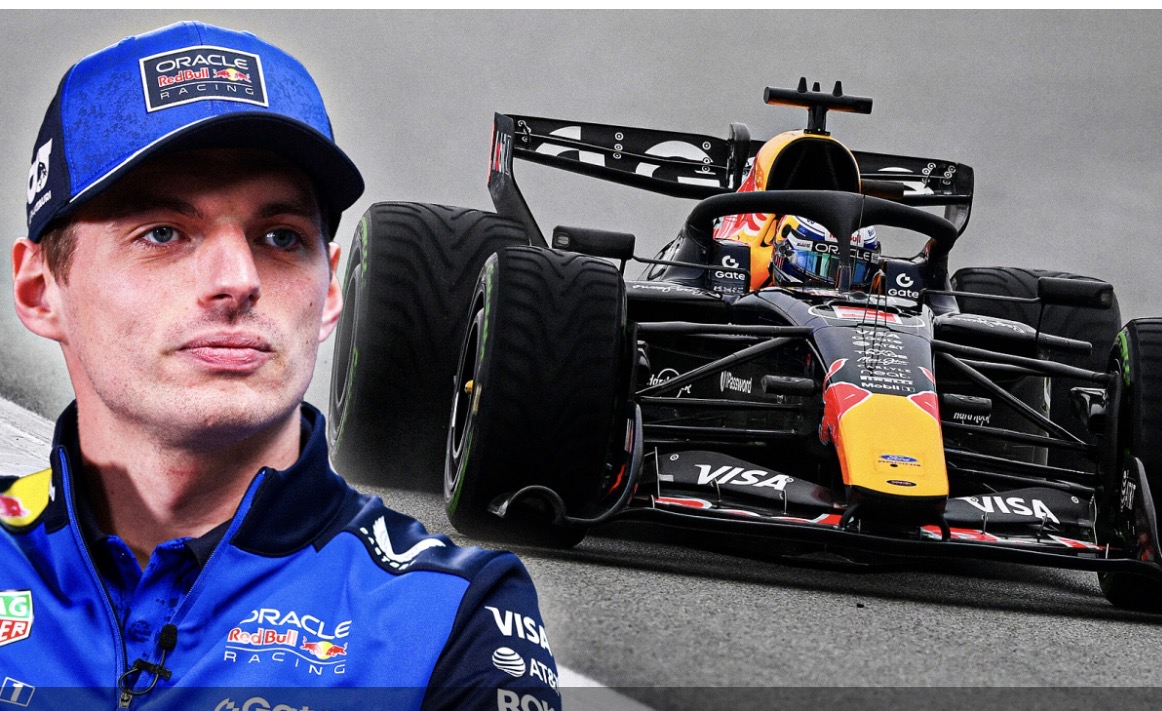
Amid this backdrop, Red Bull’s reported change of stance has caught attention. While initially believed to be aligned with those questioning Mercedes’ approach, new reports indicate the Milton Keynes-based squad may now be taking a different view on how the matter should be handled. The exact reasoning behind the shift is not fully clear, but it may reflect deeper strategic considerations tied to their own engine project and partnerships under the new regulations.
Red Bull enter the 2026 era with a transformed power unit structure, having moved further into in-house engine development through their Red Bull Powertrains programme. Their long-term collaboration framework and technical alliances mean their perspective on regulatory interpretation could differ from customer teams or rival manufacturers. Supporting a strict clampdown or a flexible reading of the rules can both carry competitive consequences depending on each team’s technical direction.
The timing of the dispute is also significant. With Bahrain testing approaching rapidly, teams are eager to avoid last-minute regulatory shifts that could force redesigns or recalibration of engine components. Power unit architecture is deeply integrated into chassis design, cooling layouts, and energy recovery systems, meaning even small rule clarifications can trigger complex knock-on effects.
Historically, Formula 1 has often seen early-season disputes over technical interpretations, especially when major regulation changes arrive. Innovative solutions frequently push boundaries, and governing bodies must decide whether such ideas represent clever engineering within the rules or a breach of regulatory intent. The outcome in this case could set an important precedent for how aggressively teams explore grey areas under the new engine formula.
For now, the situation remains fluid. Mercedes’ early testing strength has already made them a focal point of competitive speculation, and the added dimension of a potential loophole only intensifies scrutiny. Meanwhile, Red Bull’s apparent repositioning adds political intrigue to an already complex technical debate.
As pre-season testing begins and more data becomes visible, the true competitive order — and the legality of any disputed innovations — should become clearer. Until then, the 2026 season is already delivering controversy before a single race has been run.