F1 2026 Pre-Season Testing Begins in Barcelona as New Era Takes Shape
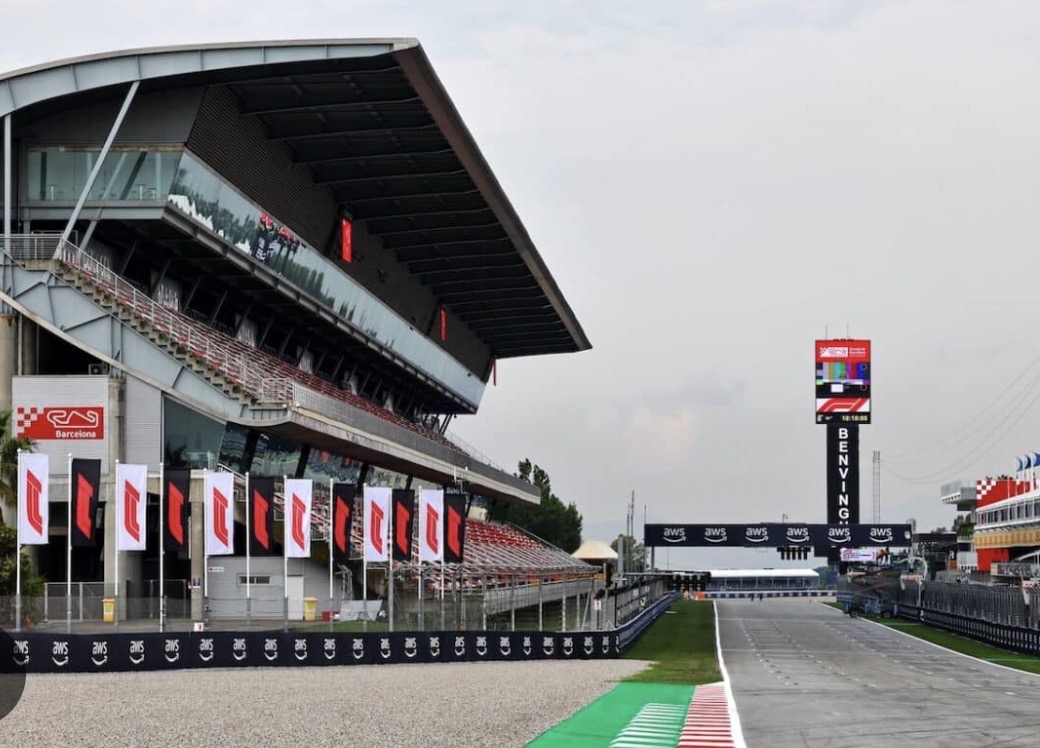
Formula 1’s journey into its bold 2026 era officially begins this week as teams head to the Circuit de Barcelona-Catalunya for the first pre-season test of the year. The five-day running, which starts on Monday, January 26 and runs through to Friday, January 30, marks an unusually early start to winter testing as the sport prepares for the introduction of all-new power unit regulations.
With sweeping technical changes coming into force for 2026—particularly around hybrid systems, sustainable fuels, and electrical power deployment—Formula 1 and the FIA have opted for an expanded testing programme. Rather than the traditional single three-day test, teams will take part in three separate pre-season tests ahead of the season-opening Australian Grand Prix in Melbourne.
The Barcelona test is the first of these and is designed primarily as a low-profile, data-gathering exercise. Held entirely behind closed doors, it will allow teams to focus on reliability checks, system integration, and early performance analysis away from public scrutiny.
Five Days of Running, But Limited Access for Teams
Although the test spans five days, teams will not enjoy unrestricted track time throughout the week. Each of the ten teams is permitted to run on only three of the five days, a measure intended to manage costs and prevent excessive mileage at such an early stage of development.
Several teams have already confirmed adjustments to their schedules. McLaren and Ferrari, two of the sport’s most high-profile outfits, have announced they will not take part on the opening day of the test. Williams, meanwhile, will miss the Barcelona test entirely after confirming its withdrawal, choosing instead to focus its preparations on later testing sessions.
The varied attendance is expected to create an unusual-looking test week, with fluctuating car counts and different teams appearing on different days, rather than the full grid running simultaneously.
Daily Running Schedule Confirmed
Each day of the Barcelona test will follow the same timetable. Running will begin at 09:00 local time (CET) and conclude at 17:00, providing eight hours of track action per day. In GMT, this corresponds to 08:00–16:00, while fans in the United States can expect activity from 03:00 to 11:00 Eastern Time.
Formula 1 has also left the door open for extended running. If daylight conditions allow, teams may be granted an additional hour at the end of the day—an option that could prove valuable for teams dealing with early technical issues or attempting long-run simulations.
F1 2026 Barcelona Pre-Season Test Schedule
• Monday, January 26: 09:00–17:00 CET
• Tuesday, January 27: 09:00–17:00 CET
• Wednesday, January 28: 09:00–17:00 CET
• Thursday, January 29: 09:00–17:00 CET
• Friday, January 30: 09:00–17:00 CET
Focus on Reliability Over Performance
With brand-new power units being introduced, outright lap times are expected to be largely irrelevant during the opening test. Instead, teams will concentrate on ensuring their new engines, energy recovery systems, and software packages operate as intended.
Early testing has historically been a critical phase for identifying reliability weaknesses, and the 2026 regulations add another layer of complexity. Engineers will be closely monitoring cooling performance, energy deployment, and component durability, while drivers provide initial feedback on drivability and power delivery.
Because the test is closed to the public and broadcast coverage is limited, information is likely to be tightly controlled. Any lap times that do emerge should be treated with caution, as teams may be running different fuel loads, engine modes, and experimental parts.
A Crucial First Step Toward Melbourne
The Barcelona test represents only the beginning of Formula 1’s extended build-up to the new season. Two further pre-season tests are scheduled before teams head to Australia, giving them additional opportunities to refine their packages and address any issues uncovered this week.
However, the importance of this first outing should not be underestimated. With less room for error under the new regulations, a troubled start could have lasting consequences once the championship begins.
As the lights go green in Barcelona, Formula 1 officially enters a new chapter—one defined by innovation, uncertainty, and the race to master the sport’s most significant technical overhaul in years.