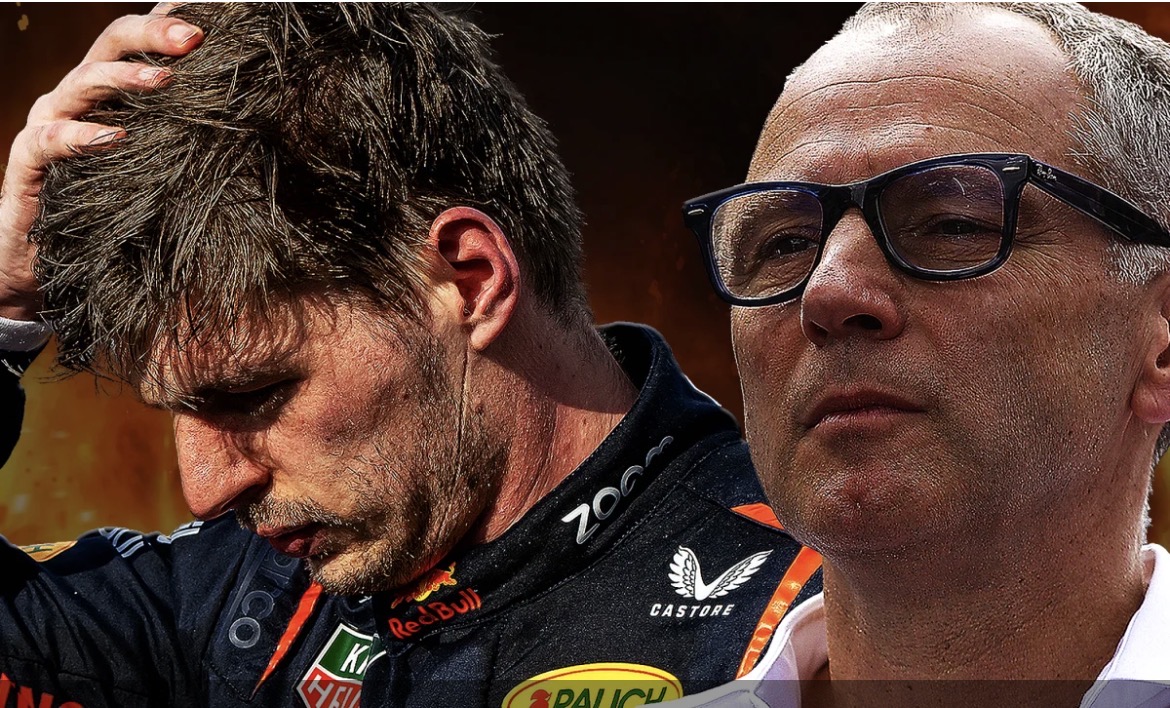
F1 Chief Confirms Max Verstappen Talks Amid Growing Driver Revolt Over 2026 Cars
Stefano Domenicali has revealed he held direct talks with Max Verstappen after the reigning world champion delivered a series of blunt criticisms about Formula 1’s sweeping 2026 regulation changes.
As the sport prepares to usher in a dramatically different technical era, tensions are beginning to surface in the paddock. The 2026 overhaul introduces a significant shift in both aerodynamic philosophy and power unit design, most notably tripling the electrical energy output of the hybrid systems. While F1 chiefs have promoted the changes as a bold step toward sustainability and innovation, not all drivers are convinced.
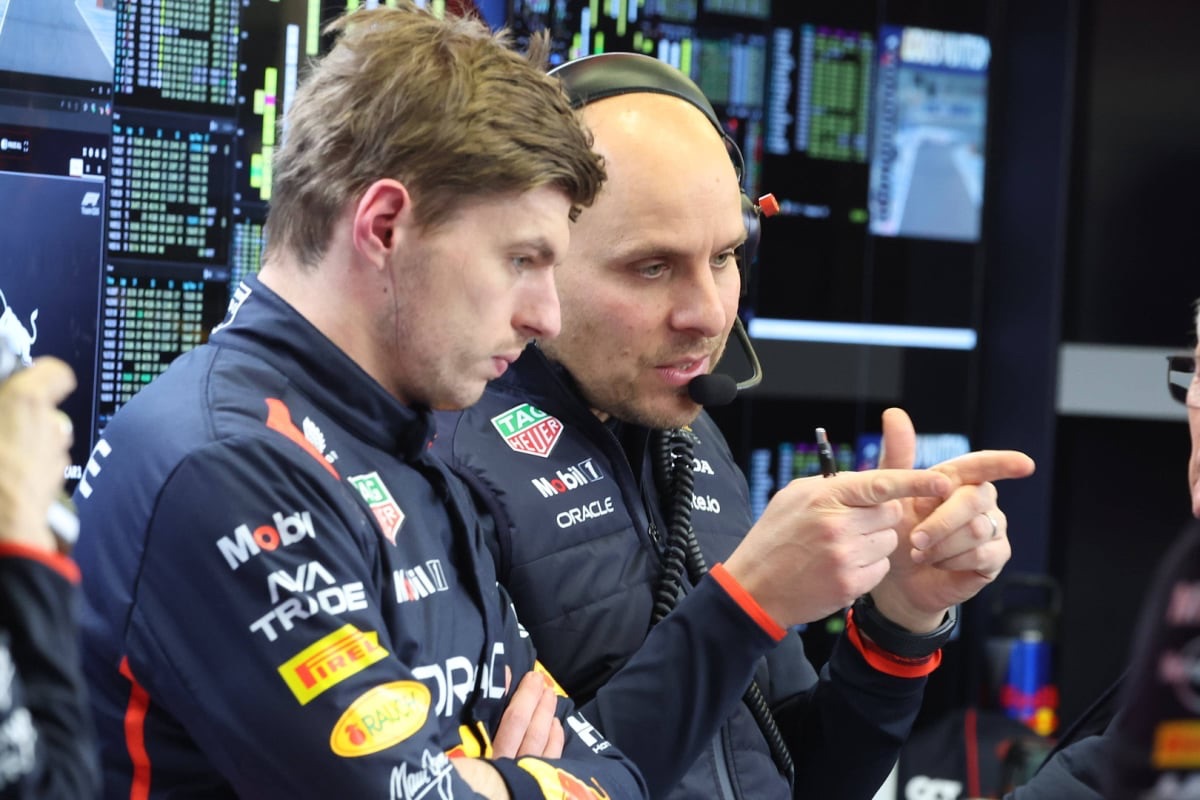
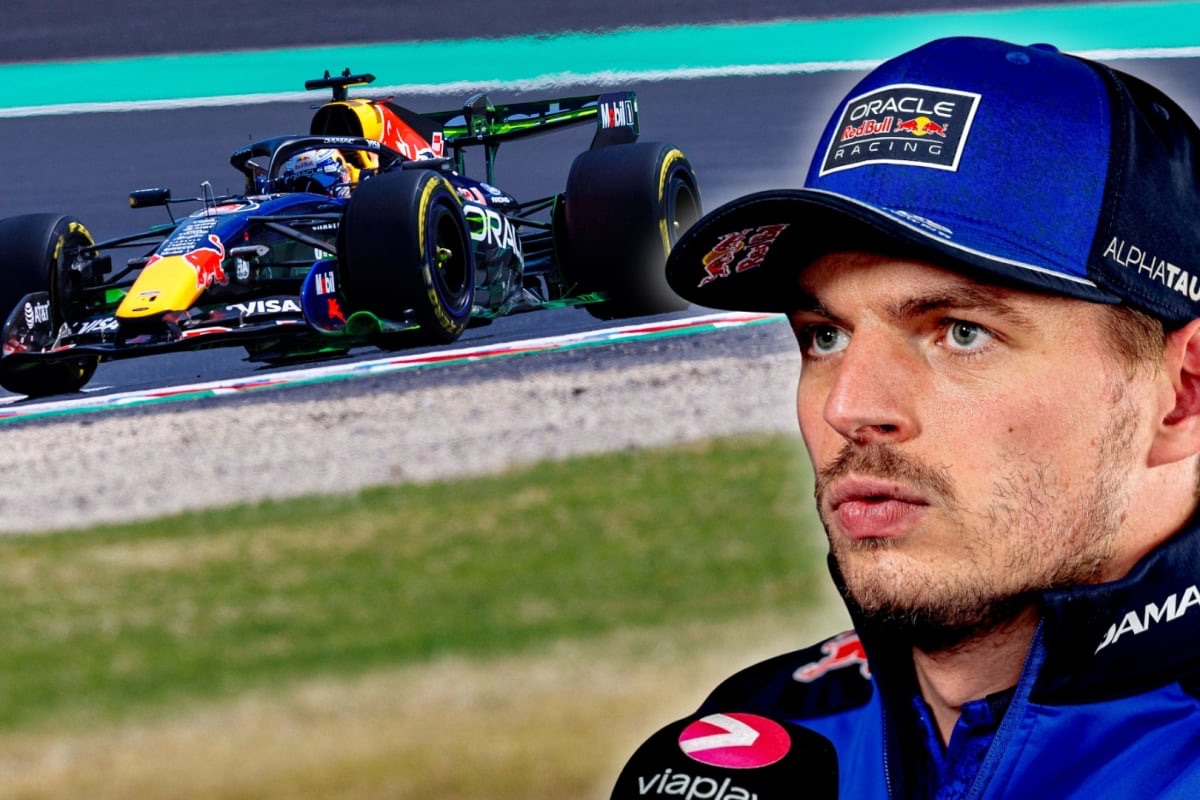
Verstappen, who has dominated much of the current ground-effect era, did not hold back during pre-season testing in Bahrain. While splitting his time behind the wheel of Red Bull’s 2026 challenger, the RB22, the Dutchman repeatedly questioned whether the new cars would preserve the essence of Formula 1. At one point, he described the incoming machinery as feeling like “Formula E on steroids,” a remark that quickly reverberated throughout the sport.
The four-time champion later doubled down on his concerns, suggesting that the upcoming regulation cycle could become his least favourite period in F1 so far. His comments fueled speculation that the radical changes might even prompt him to reconsider his long-term future in the championship.
However, Domenicali has moved swiftly to calm fears of a potential Verstappen exit. Speaking to media during the final week of testing in Bahrain, the F1 boss made it clear that he does not believe the Red Bull star is contemplating walking away from the sport.
“I met with Max,” Domenicali explained. “We know Max will be part of the future of F1.”
He emphasized that the governing bodies are committed to listening to leading drivers as the new era approaches. According to Domenicali, Verstappen’s passionate criticism should not be interpreted as disengagement, but rather as a sign of how deeply he cares about the direction of the championship.
“It is very important we listen to him, as we do with all of the top drivers,” he said. “He has a way of saying something that can be interpreted in a certain way. But I can guarantee that Max wants and does care about F1 more than anyone else.”
Domenicali described their meeting as “very constructive” and confirmed that further discussions would take place involving the FIA and team representatives. The aim, he suggested, is to ensure that the spirit of driving remains central, even as the cars become more electrified and technologically complex.
The concerns raised by Verstappen are not isolated. Seven-time world champion Lewis Hamilton also expressed reservations during testing, questioning whether fans would easily grasp the sweeping rule changes and the fresh terminology accompanying them. With new energy deployment systems and revised aerodynamic concepts set to reshape the racing spectacle, there is apprehension that the sport risks alienating some of its traditional audience.
Reigning champion Lando Norris echoed similar sentiments, suggesting that clarity and accessibility will be crucial if the 2026 regulations are to succeed. Both drivers acknowledged the importance of sustainability and progress but warned that Formula 1 must remain understandable and entertaining for its global fanbase.
The 2026 reset represents one of the most ambitious transformations in modern F1 history. Alongside expanded electrical power, the cars will feature redesigned chassis and active aerodynamic components intended to improve efficiency and overtaking. While the objectives are clear—greater sustainability, closer racing, and long-term manufacturer appeal—the transition inevitably carries uncertainty.
For Verstappen, whose driving style has thrived under the current aerodynamic regulations, adapting to a car with heavier reliance on electrical deployment may pose a fresh challenge. Yet despite his sharp critique, Domenicali remains confident that the Dutchman’s competitive spirit will keep him fully invested.
Behind closed doors, F1 leadership appears keen to balance innovation with driver feedback. The upcoming meetings between the commercial rights holder, the FIA, and the teams will likely focus on fine-tuning how the regulations are implemented and communicated.
As the 2026 season edges closer, the debate highlights a familiar tension within Formula 1: the push for technological evolution versus the preservation of pure racing DNA. While some of the sport’s biggest stars have voiced unease, the message from F1’s top executive is clear — dialogue is ongoing, and Verstappen remains firmly part of the championship’s future.
For now, the revolt may be vocal, but it has not escalated into rebellion. Instead, it underscores how passionately drivers feel about safeguarding the identity of Formula 1 as it accelerates into a new era.
f1 is going in the wrong direction, I get the “sustainability” aspect but the same “sustainability” could happen with normally seperate v8s, v10s, or v12s burning emission -less bio fuel. There is no need for more electric power because formula e already does that.
Aveți o categorie de vatmani! De ce trebuie să distrugeți F1? Anulați imediat această porcărie cu tramvaie! Reduceți urgent mașinile cu motoare termice! Și lăsați F1 în pace, așa cum a fost totdeauna, de când a fost inventată! A fătat minte unor indivizi să transforme F1 cu mașinuțe electrice într-un circ mizerabil.