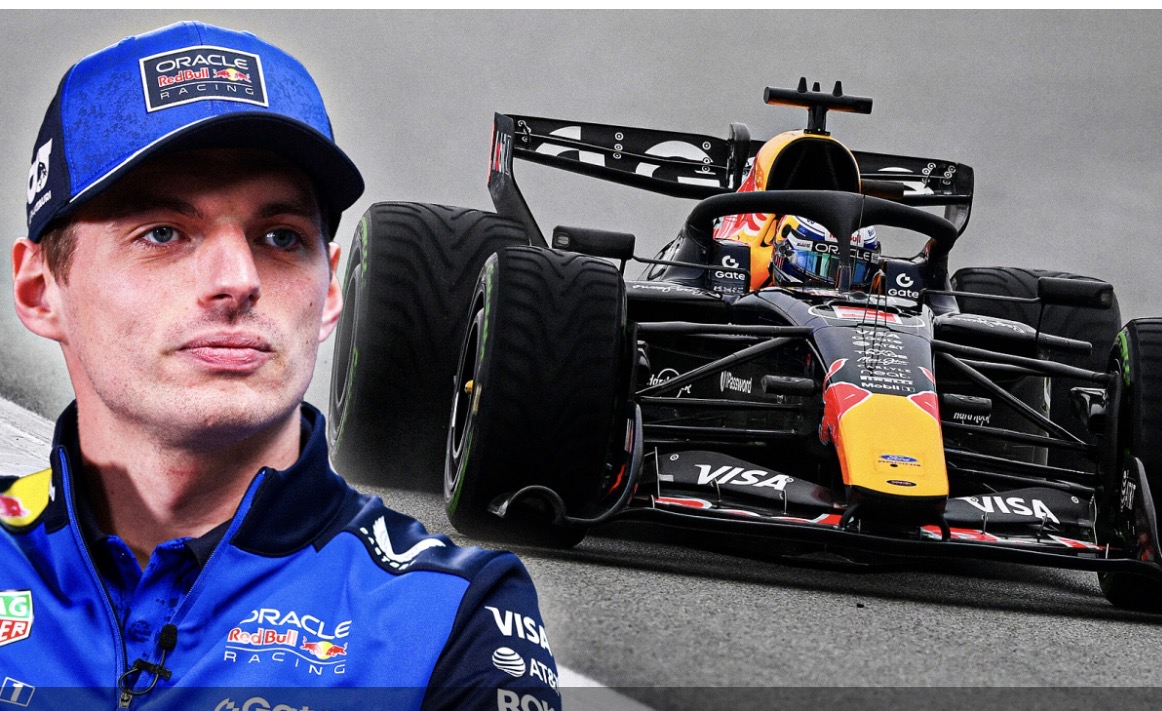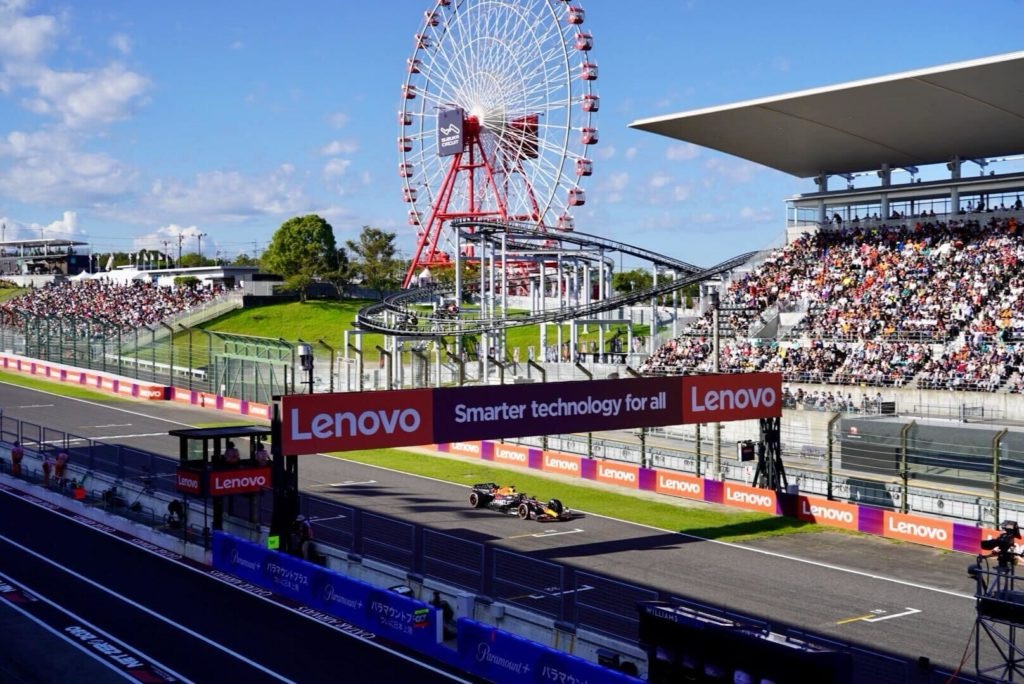
Excitement is building ahead of the Japanese Grand Prix as early forecasts hint at unpredictable weather that could inject the first real dose of chaos into the 2026 Formula 1 season. Although long-range predictions are far from certain, initial indications suggest that teams may finally need to rely on intermediate or wet tyres during the Suzuka weekend — something yet to be seen so far this year.
At first glance, conditions appear relatively calm for key parts of the weekend. Friday’s practice sessions are currently expected to run in dry weather, with only a minimal chance of rain, while Sunday’s race is also projected to remain unaffected. However, the real concern lies with Saturday, where there is a significantly higher probability of rainfall during the all-important qualifying session. With estimates pointing to a strong likelihood of showers in the afternoon, teams are bracing for a potentially unpredictable fight for pole position.
If the rain does arrive, it could dramatically shake up the competitive order. Changing conditions — where the track alternates between wet and dry — often make qualifying sessions especially difficult to manage. In such scenarios, timing becomes everything. Drivers must head out at precisely the right moment to take advantage of peak grip levels, while teams must gamble on strategy calls that could either secure a front-row start or leave them buried in the midfield.
For a team like Mercedes, which has enjoyed a flawless start to the campaign, stability would be far preferable. The Silver Arrows have dominated the opening rounds under the new regulations, locking out the front row in both races so far. George Russell claimed pole position in Australia, while Kimi Antonelli followed up with a standout performance in Shanghai, underlining the team’s early-season strength. Any disruption caused by weather could threaten that advantage and open the door for rivals to close the gap.
Meanwhile, teams further down the grid may welcome the uncertainty. Wet conditions tend to level the playing field, offering opportunities for surprise performances and unexpected results. Drivers who excel in tricky conditions could suddenly find themselves fighting well above their usual positions, adding an extra layer of intrigue to the weekend.
From a technical standpoint, rain introduces a completely different set of challenges. Alpine’s racing director, Dave Greenwood, has highlighted how wet conditions could complicate energy management under the current regulations. While harvesting energy may become easier due to reduced grip, effectively deploying that energy becomes far more difficult — particularly with less aerodynamic downforce available in slippery conditions. According to Greenwood, preparation has been key, with the team already conducting wet-weather running during testing sessions and refining their approach in the simulator.
The timing between recent races has also allowed teams to regroup and adapt. Following the previous round, crews returned to their factories to analyze data and fine-tune their setups, ensuring they are better equipped to handle whatever conditions Suzuka may throw at them.
As anticipation builds, one thing is clear: if the rain arrives on Saturday, qualifying could become one of the most dramatic sessions of the season so far. With strategy, skill, and a bit of luck all playing crucial roles, the grid for Sunday’s race may look very different from what fans have come to expect in the opening rounds.