F1 Considers European Alternatives as Bahrain and Saudi Arabia Races Face Uncertainty
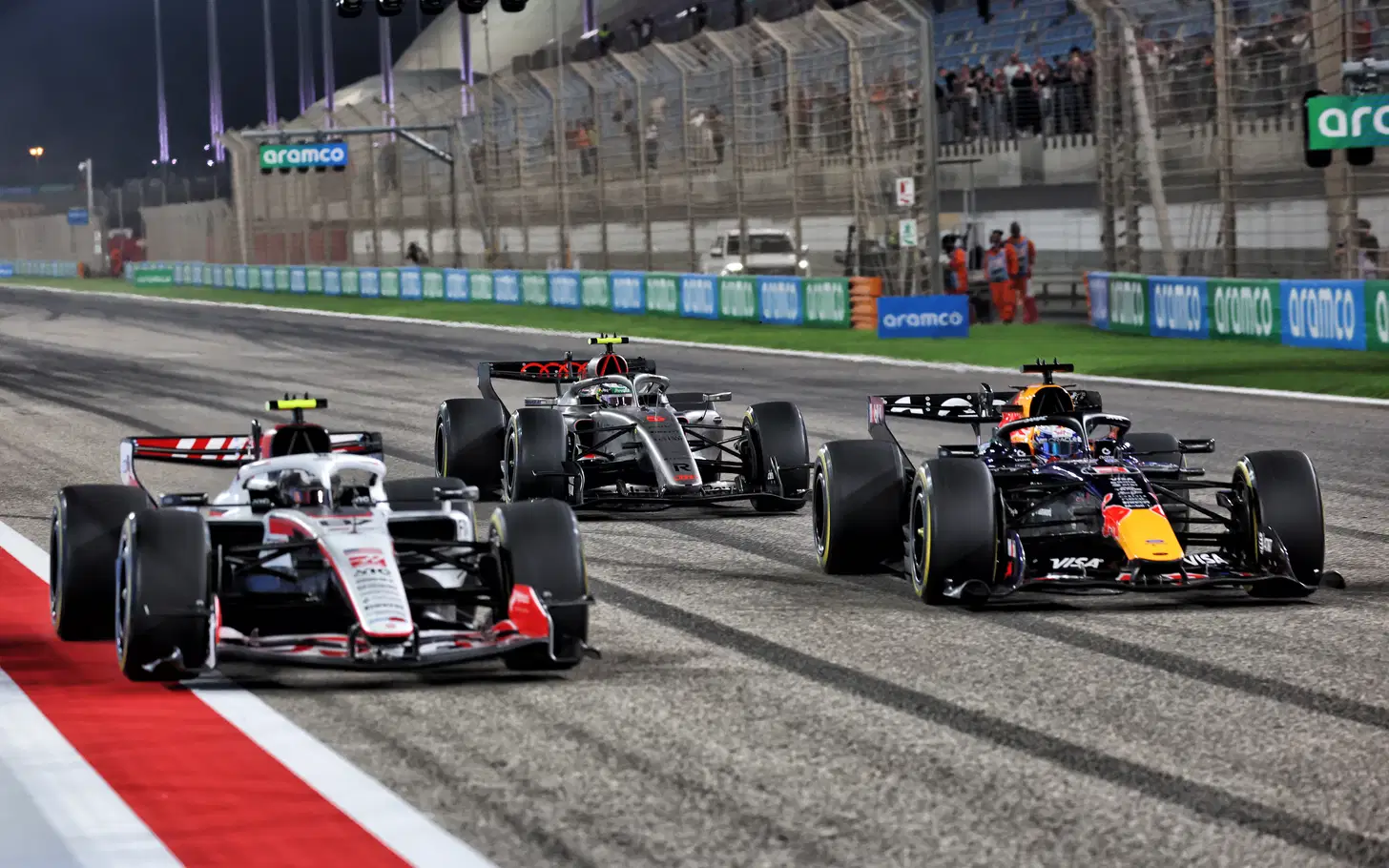
Formula 1 is grappling with a potential crisis in its 2026 calendar as rising tensions in the Middle East have cast doubt over the scheduled Bahrain and Saudi Arabian Grands Prix. Both races, traditionally early-season highlights, could be at risk due to escalating regional conflict, forcing F1 officials to consider contingency plans and alternative venues.
Safety Concerns Take Priority
The unrest stems from a recent escalation of hostilities involving the United States, Israel, and Iran, with missile strikes and military activity raising safety concerns for teams, staff, and spectators. Recent events, including the cancellation of a Formula 1 tyre test in Bahrain, have highlighted the operational challenges of staging a race under such circumstances.
The sport’s governing body, the Fédération Internationale de l’Automobile (FIA), has emphasized that safety and security are paramount. FIA President Mohammed Ben Sulayem stated that officials are closely monitoring developments and working with local promoters, teams, and authorities to evaluate whether the races can proceed safely.
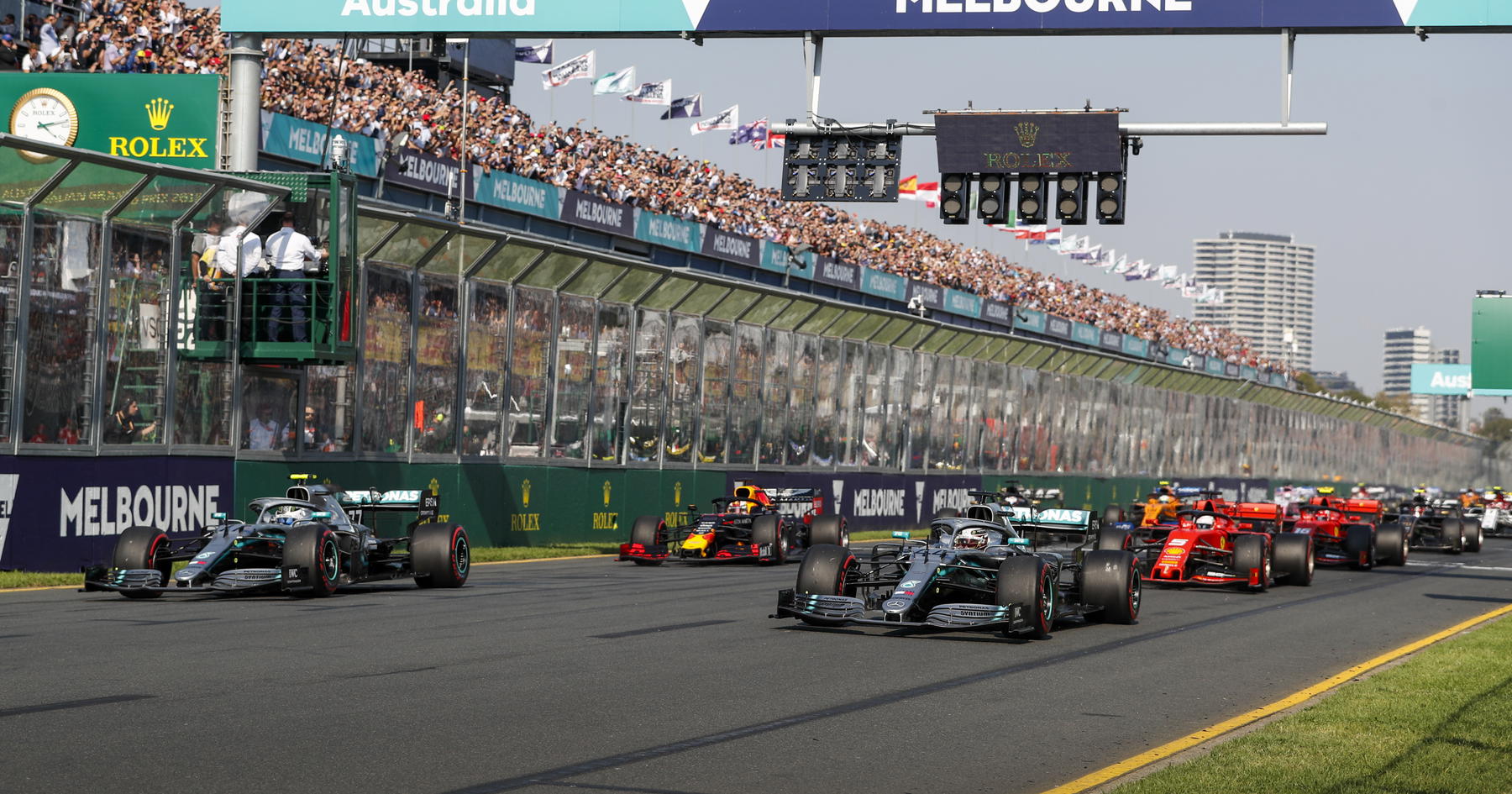
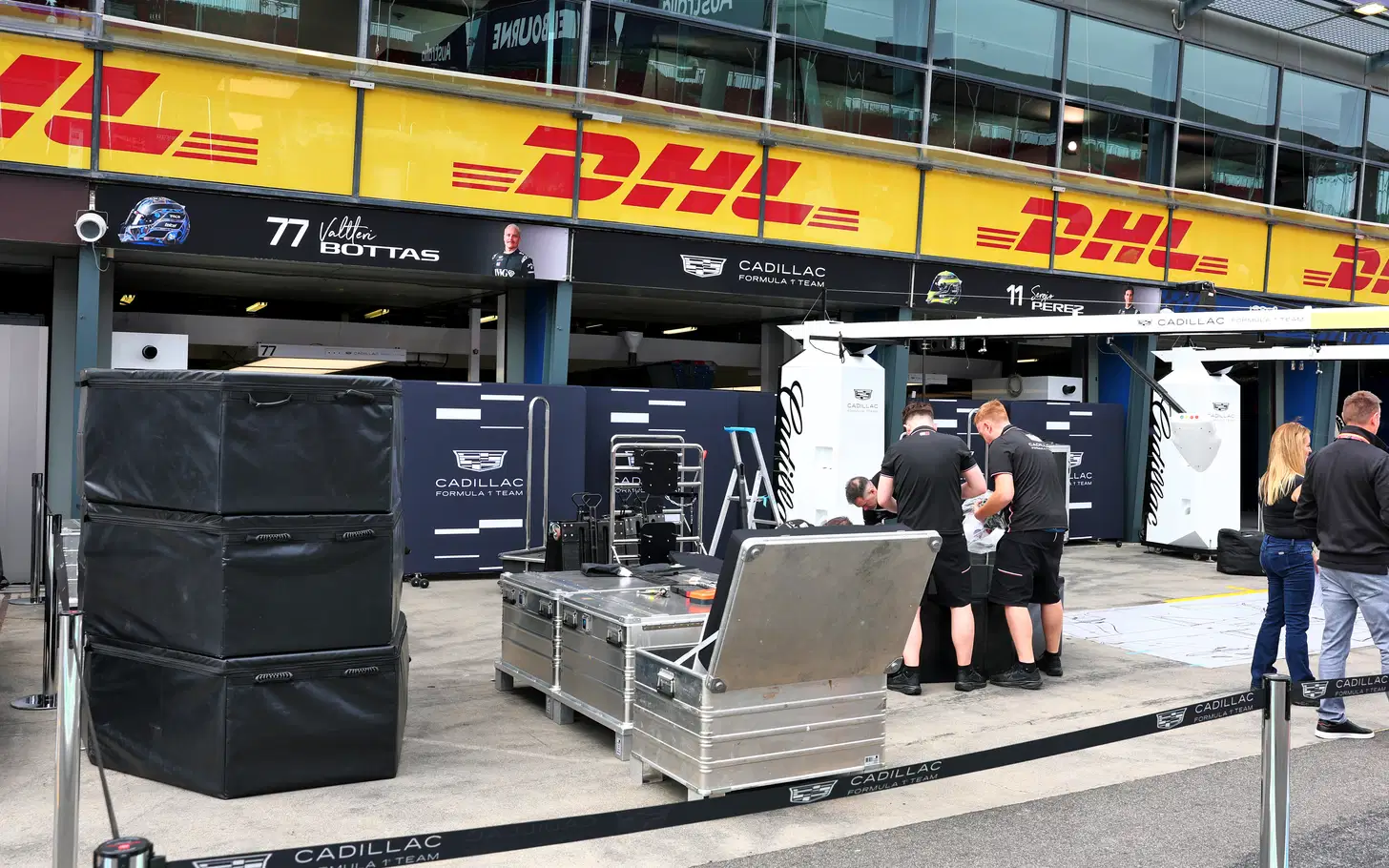
Although the Australian Grand Prix and subsequent rounds in China and Japan are expected to continue as planned, the future of the Middle East races is far less certain. Teams are reportedly engaging in discussions to evaluate potential scenarios, with a decision expected in the coming weeks.
European Tracks on Standby
If the Bahrain and Saudi Arabian events are deemed too risky, several European circuits are reportedly under consideration to step in as replacements.
Imola in Italy is among the frontrunners due to its existing F1 infrastructure and proximity to teams’ European bases, making it a practical choice for a quick replacement. Its experience hosting races in previous seasons adds to its appeal as a reliable fallback option.
Other possible venues include Portimão in Portugal, which has previously hosted F1 and could be prepared for competition on short notice. Istanbul Park in Turkey, known for its technical layout and past Formula 1 events, is also being evaluated. Additional circuits such as Circuit Paul Ricard in France, the Nürburgring and Hockenheimring in Germany, and Fuji Speedway in Japan have been mentioned as potential substitutes depending on logistics and track readiness.
Innovative Scheduling Considerations
Beyond replacing individual events, Formula 1 is reportedly exploring alternative approaches to minimize disruption. One option is to stage a double-header at an existing circuit later in the season, potentially at Suzuka in Japan, to make up for any lost rounds. While this could help maintain the intended number of races, it would require careful logistical coordination and adjustments to broadcasting and commercial arrangements.
Logistical and Commercial Challenges
Even if alternative circuits are secured, organizing a full F1 weekend on short notice is a formidable task. Tracks must meet stringent FIA Grade 1 requirements, and facilities like grandstands, hospitality zones, and media infrastructure must be operational. Given the compressed timeline, some commentators suggest that reducing the season by one or two races could be a more realistic solution.
The potential cancellation or relocation of the Middle East events also carries significant commercial implications. Bahrain and Saudi Arabia are major financial contributors to Formula 1, and their removal from the calendar could affect sponsorship agreements, broadcasting contracts, and long-term partnerships.
Looking Ahead
No official decision has yet been made regarding the fate of the Bahrain and Saudi Arabian Grands Prix. F1 and the FIA are expected to provide an update in the coming weeks, likely after careful assessment of the evolving situation. Meanwhile, drivers, teams, and fans remain on alert as the sport navigates what could be one of the most challenging early-season periods in recent history.