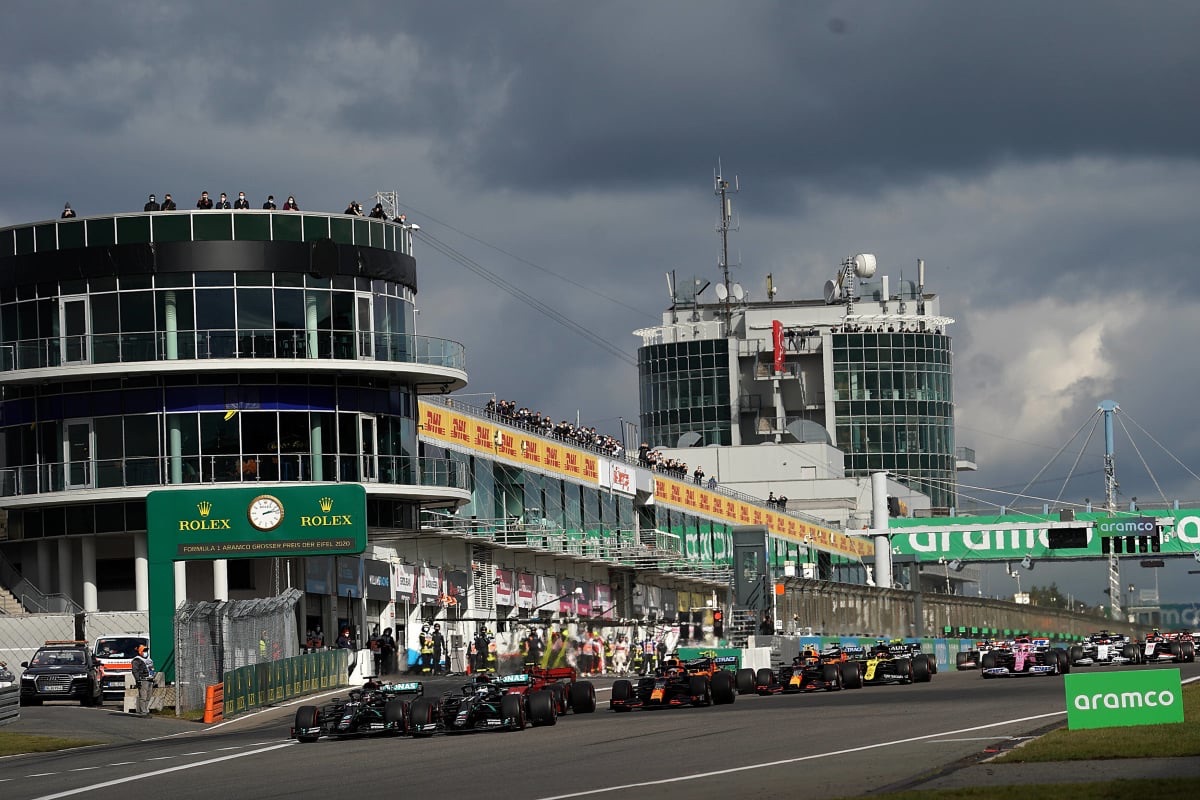
Formula 1 machinery is set to roar back into action at the legendary Nürburgring for the first time in several years, following a fresh decision by the FIA to approve additional racing activity amid recent calendar disruptions.
The iconic German circuit, last featured on the Formula 1 calendar during the 2020 season, will now play host to on-track action in April. This move comes as a welcome development for fans and teams alike, especially after the sport was forced into an unexpected pause. The cancellations of the Bahrain Grand Prix and the Saudi Arabian Grand Prix created a significant gap in the schedule, leaving a five-week stretch without competitive racing.
Rather than allowing that downtime to stall momentum, governing bodies have taken steps to ensure cars return to the circuit sooner than expected. While the Nürburgring event will not be a traditional championship Grand Prix, it will still offer valuable track time and maintain engagement during an otherwise quiet period in the season.
At the same time, the FIA has also confirmed adjustments within its development series. Two additional races have been added to the F1 Academy calendar to compensate for the lost track time caused by the Saudi Arabian round’s cancellation. This ensures that the all-female junior series continues to provide its drivers with competitive opportunities and maintains the integrity of its championship campaign.
The decision highlights the FIA’s flexibility in responding to unforeseen disruptions, particularly in a season already impacted by geopolitical challenges. By introducing replacement events and revising schedules, the organization aims to minimise the effect on teams, drivers, and fans, while preserving the competitive rhythm across its racing categories.
For Formula 1 teams, the Nürburgring outing represents more than just a return to a historic venue. It offers a chance to gather crucial data, refine car setups, and maintain operational sharpness during what would otherwise have been an extended break. Given the demanding nature of modern F1 schedules, such opportunities are rarely available mid-season.
Meanwhile, the inclusion of extra F1 Academy races reinforces the FIA’s ongoing commitment to developing emerging talent. Ensuring that young drivers continue to gain race experience is seen as essential for the future of the sport, particularly in a series designed to promote diversity and inclusion within motorsport.
Overall, the return of track action—whether through Formula 1 testing or junior category races—provides a timely boost for the sport. Fans can look forward to seeing cars back on track sooner than anticipated, while teams and drivers benefit from additional running in a season that has already delivered its share of unpredictability.