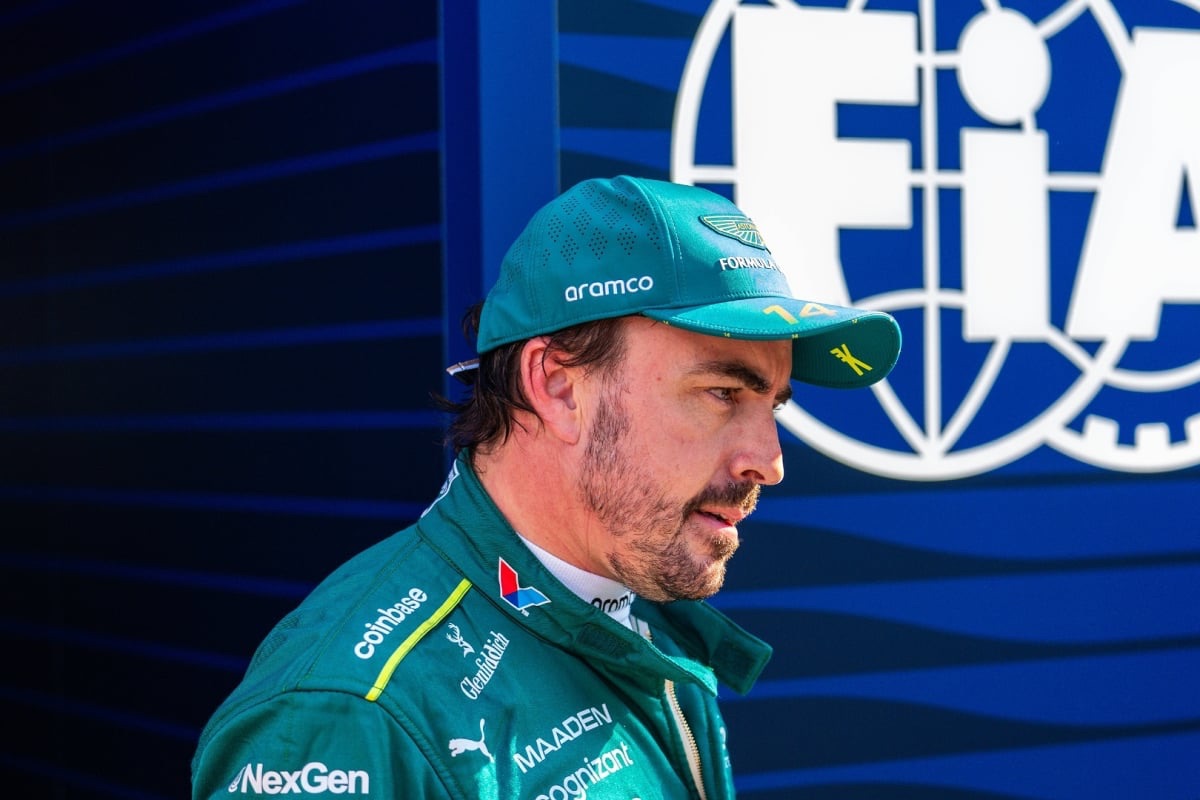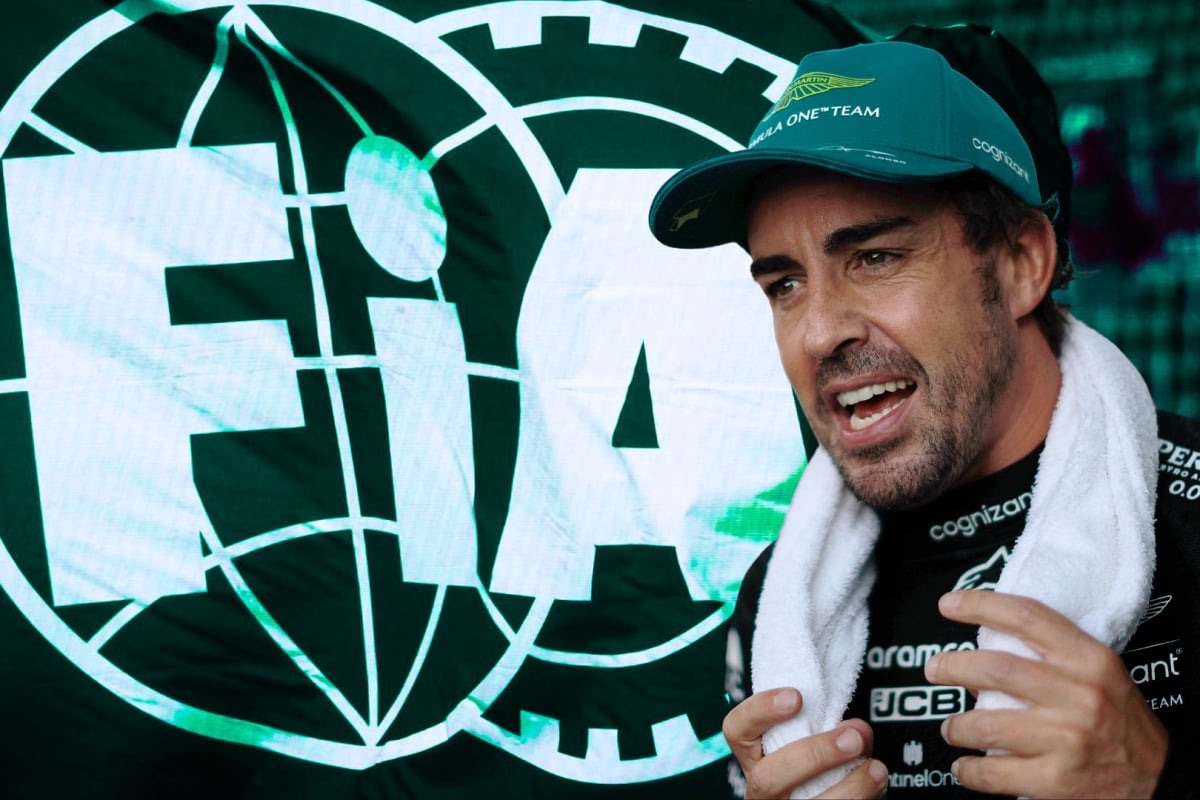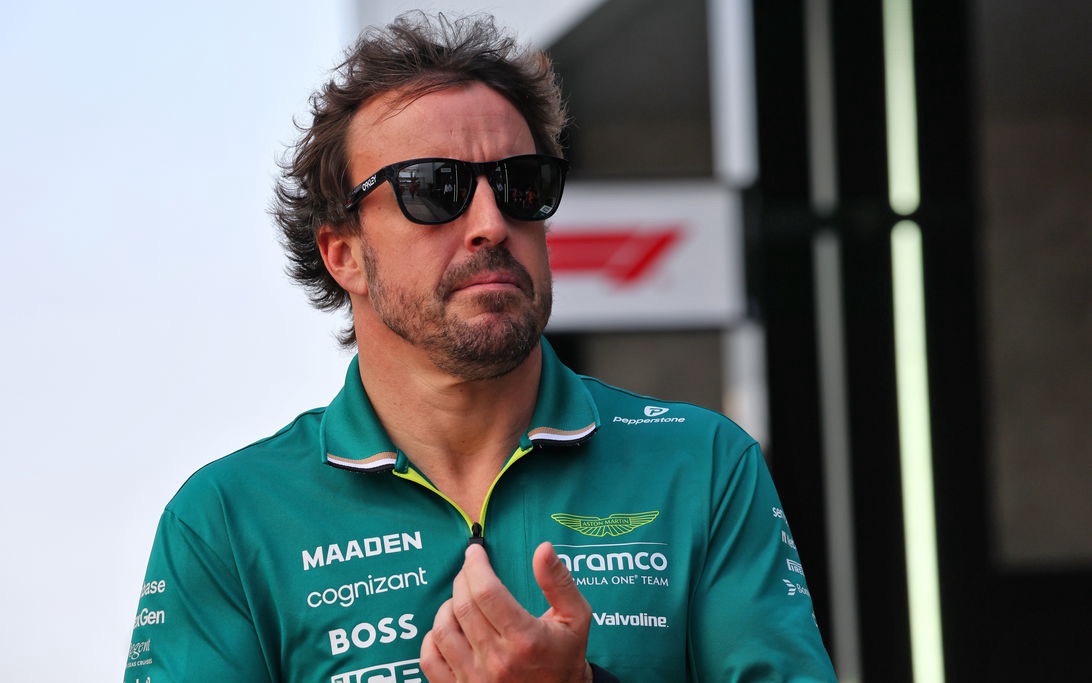
Two-time Formula One world champion Fernando Alonso has provided an update on his physical condition after a difficult and painful outing at the Chinese Grand Prix, where severe vibrations inside his car forced him to retire before the race finished.
The veteran driver was competing at the iconic Shanghai International Circuit when the discomfort became too much to handle. Alonso eventually returned his car to the garage on lap 34, deciding to end his race early after struggling with the vibrations for several laps.
Speaking after the race, the Spanish driver admitted that the situation had gradually worsened and that continuing to the finish would likely have been impossible due to the physical strain.
Alonso explained that the symptoms began to intensify midway through the race, affecting both his hands and feet. According to the Aston Martin driver, the numbness became increasingly concerning between laps 20 and 35.
He revealed that during that period he had difficulty properly feeling his hands and feet, which made controlling the car extremely challenging. At that stage of the race he was already a lap behind the leaders and running in last place, which further influenced his decision to stop.
The experienced driver acknowledged that there was little reason to continue given the circumstances. From both a competitive and safety perspective, retiring the car became the most sensible choice.
Earlier in the season, concerns about vibrations had already been raised within the team. Before the opening race of the year in Australia, Aston Martin’s legendary designer Adrian Newey warned that the issue could potentially cause long-term problems for the drivers if not addressed.
Newey explained that vibrations generated by the team’s power unit components—particularly related to the battery system supplied by Honda—could create persistent shaking throughout the chassis. Over time, that kind of constant vibration could risk nerve damage in the drivers’ hands.
During the Chinese Grand Prix broadcast, onboard camera footage appeared to confirm just how uncomfortable the situation had become for Alonso. At several moments in the race he could be seen briefly loosening his grip on the steering wheel in an attempt to relieve the pressure and numbness caused by the shaking.
However, Alonso later clarified that the problem was not limited to his hands alone. The vibrations were also being transmitted through the cockpit floor and pedals, which meant his feet were experiencing the same issue.
This made driving even more difficult, as Formula One drivers rely heavily on precise pedal control while racing at extremely high speeds.
Interestingly, Alonso revealed that the vibrations were at their worst during the race itself rather than during practice or qualifying sessions throughout the weekend.
According to him, the team had attempted several measures to reduce the severity of the problem. One temporary solution involved lowering the engine’s revolutions per minute (RPM), which helped reduce some of the shaking within the car.
While this adjustment slightly improved the situation, it came with a clear downside. Reducing engine RPM also limits performance, making it harder for the car to compete effectively.
Alonso explained that during certain moments in the race—such as when attempting an overtaking maneuver or when the car needed to recharge its systems—the engine inevitably had to run at higher RPM levels again. When that happened, the vibrations would quickly return.
Over time the physical strain became more demanding, eventually reaching a point where continuing the race was no longer realistic.
Despite the frustrating outcome, Alonso’s update suggests that the issue was primarily related to the car rather than a serious injury. Nevertheless, the situation highlights a significant technical challenge for the Aston Martin team as they continue their campaign this season.
Engineers will now likely focus on finding a more permanent solution to reduce the vibrations and prevent similar problems in future races, ensuring their experienced driver can compete comfortably and safely in upcoming grands prix.