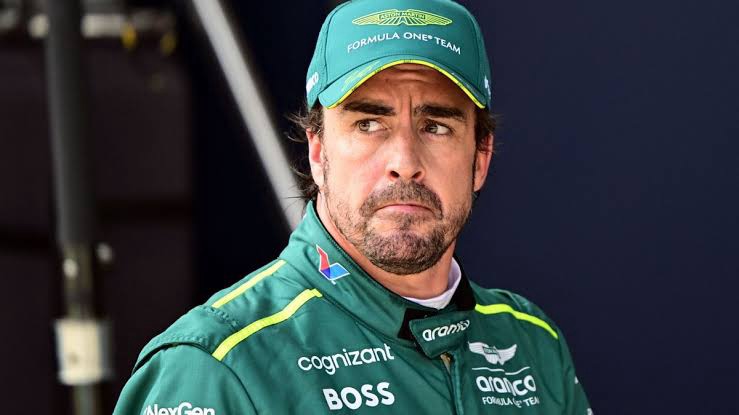
Aston Martin F1 Team have confirmed a temporary driver change ahead of the Japanese Grand Prix, with promising youngster Jak Crawford set to take part in the opening free practice session. The American driver will step into the AMR26 for FP1, taking over from experienced campaigner Fernando Alonso as part of the team’s compliance with Formula 1’s rookie driver regulations.
Under current rules, every team must allocate a number of practice sessions throughout the season to drivers with limited F1 race experience. This will be Aston Martin’s first such session in 2026, making them the earliest team to begin fulfilling that requirement. While the move is expected from a regulatory standpoint, the timing has generated some interest given the challenges the team has faced so far this season.
The AMR26 has proven to be a difficult machine to handle, with persistent vibration issues affecting its performance and drivability. Both Alonso and teammate Lance Stroll have struggled to extract consistent pace, and the physical toll of driving the car over longer stints has also been a concern. Reports suggest that the vibrations are severe enough to limit how long the drivers can comfortably remain on track, which has in turn impacted race consistency.
Although Aston Martin have not directly linked Crawford’s appearance to these issues, it is possible that the team sees value in giving Alonso a brief respite while also gathering additional data. With the car still undergoing evaluation and refinement, every lap completed during a race weekend is crucial for understanding its weaknesses and identifying potential improvements.
For Crawford, the opportunity represents another important milestone in his development. The 20-year-old has already had a taste of Formula 1 machinery, having participated in two FP1 sessions with Aston Martin late last season. However, taking to the track at Suzuka is a far greater test. Known for its fast, flowing corners and technical demands, the Japanese circuit is one of the most challenging venues on the calendar, requiring precision, confidence, and adaptability.
In his pre-session comments, Crawford expressed his excitement about returning to the car and tackling such a prestigious circuit. He noted that much of his preparation has taken place in the simulator and that he is eager to apply what he has learned in a real-world setting. He also thanked the team for the continued opportunity, emphasizing his focus on learning and contributing as much as possible during the session.
From the team’s standpoint, the session is not only about fulfilling a rule but also about strengthening their long-term driver programme. Young drivers like Crawford play a key role in the future of the sport, and giving them track time allows teams to assess their readiness while also benefiting from their feedback. Fresh perspectives can sometimes highlight issues that more experienced drivers may overlook, particularly when dealing with a problematic car.
Senior Aston Martin figure Mike Krack praised Crawford’s efforts behind the scenes, pointing out his dedication in simulator work at the team’s Silverstone headquarters. He described the FP1 outing as a natural progression in Crawford’s journey, allowing him to build on that preparation with valuable on-track experience. Krack also reiterated the team’s commitment to nurturing emerging talent alongside their competitive goals.
As the weekend unfolds, attention will be split between Aston Martin’s attempts to resolve their technical difficulties and Crawford’s performance in the spotlight. While expectations for the rookie remain measured, a solid and composed outing could further enhance his reputation within the team.
Ultimately, this move highlights the multiple priorities Formula 1 teams must juggle—adhering to regulations, managing driver workload, addressing performance issues, and planning for the future. For Crawford, the session at Suzuka is more than just another practice run; it is a significant opportunity to showcase his ability at one of the sport’s most demanding circuits.