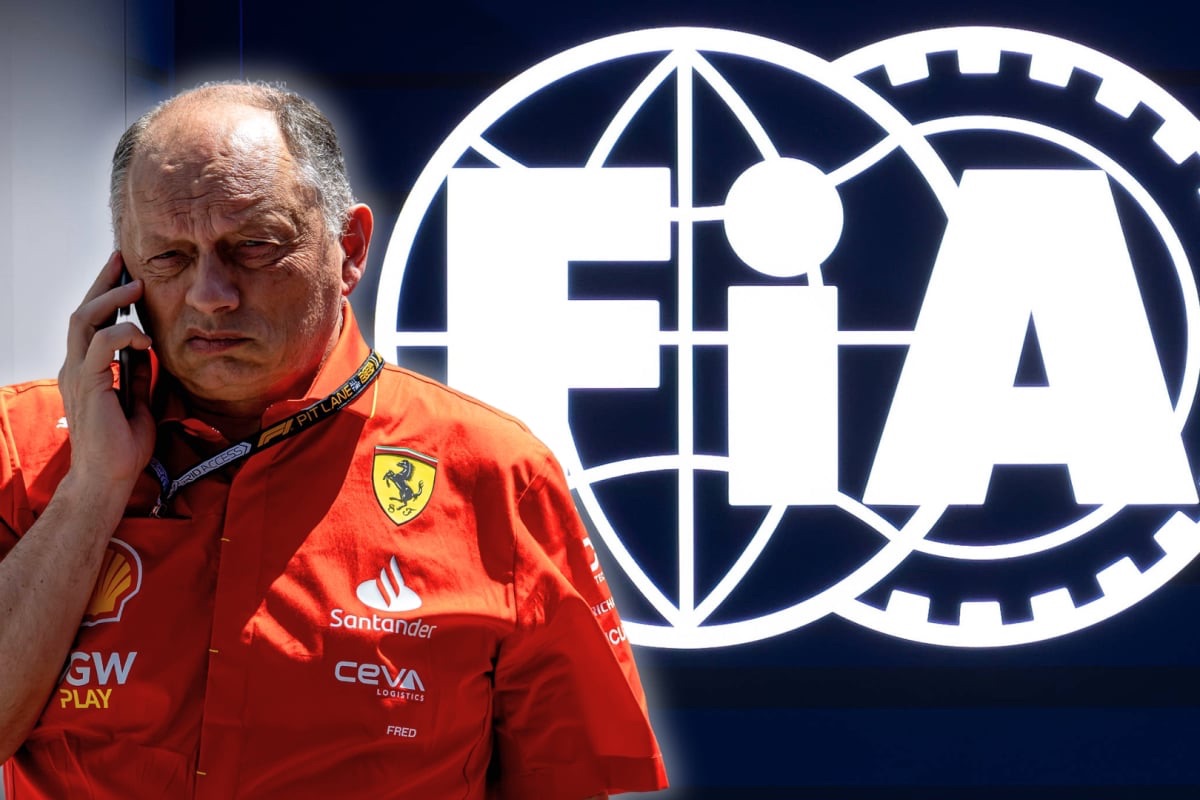
Frédéric Vasseur has hit a boiling point over ongoing rule adjustments introduced by the FIA for the 2026 Formula One season, declaring that “enough is enough” as debate intensifies around race start procedures.
The 2026 campaign ushered in sweeping technical regulations, particularly with the introduction of new-generation power units. However, one unintended consequence has been the difficulty drivers face when launching off the grid. Compared to previous seasons, these engines appear slower to respond at low speeds, making clean race starts more challenging across the field.
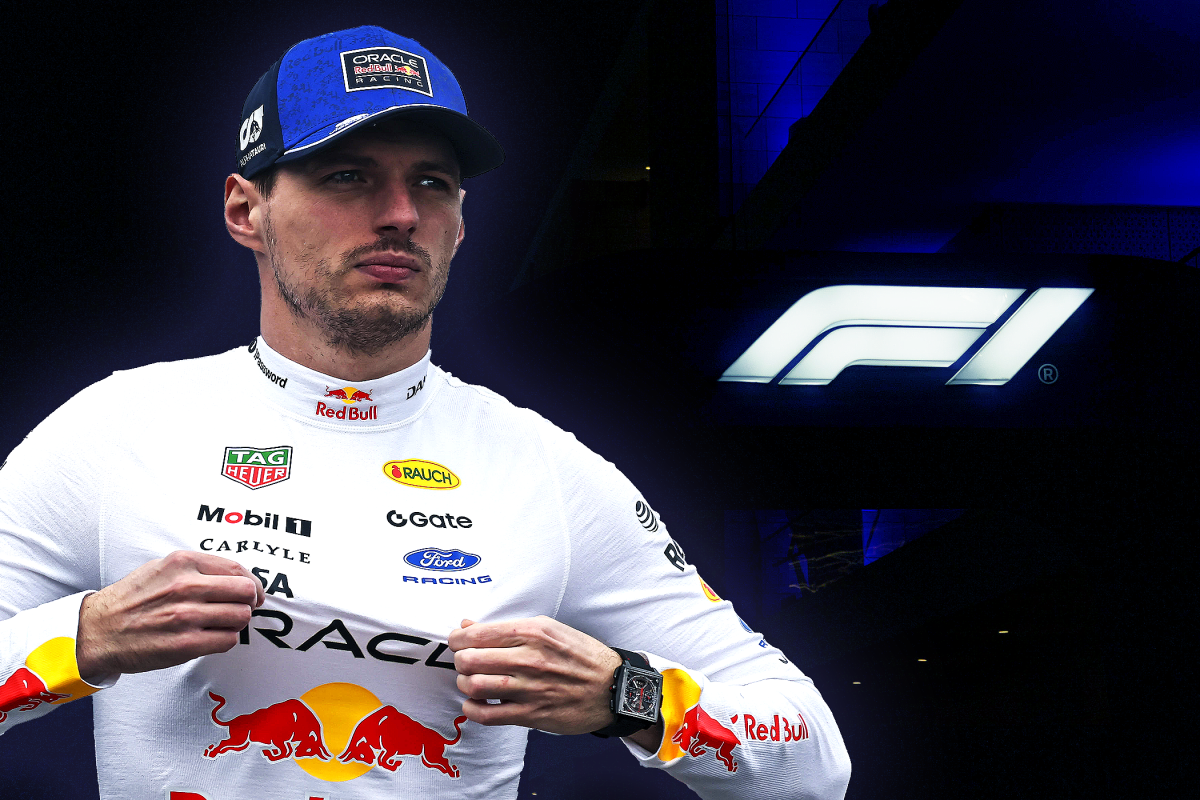
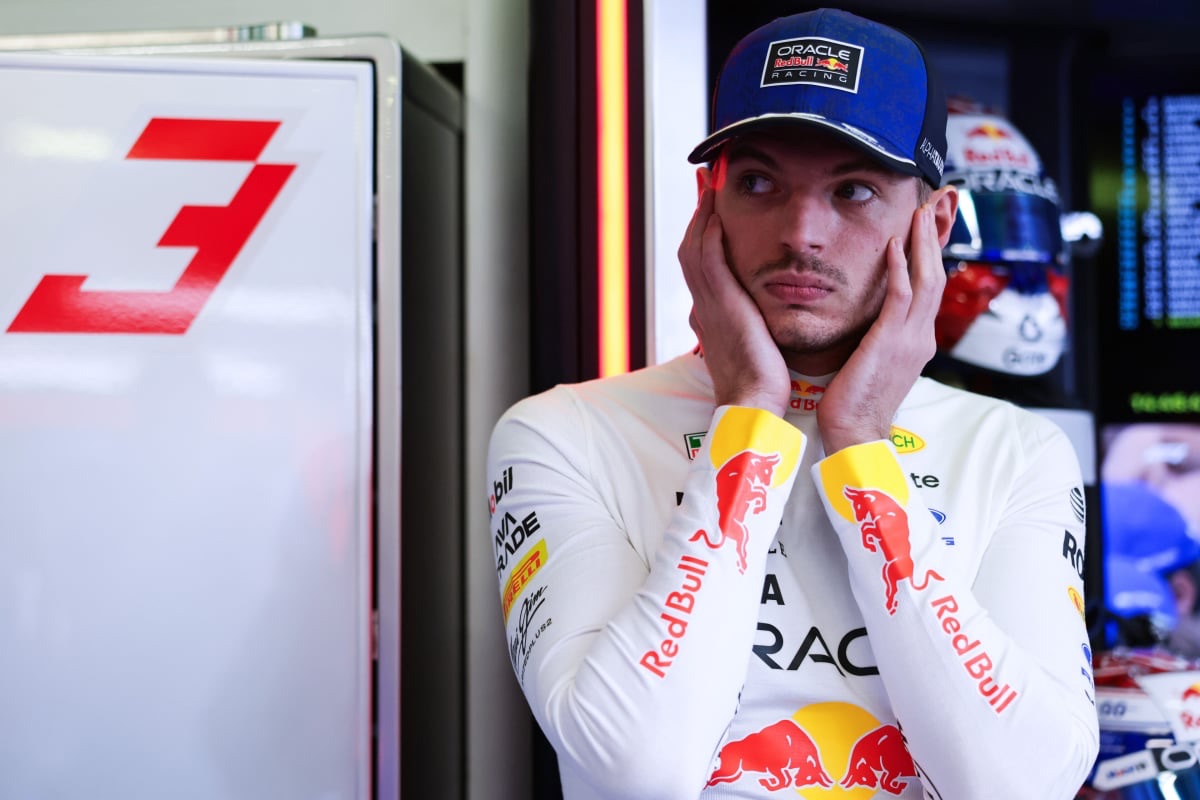
This issue has already been evident in the opening rounds of the season. Even reigning champion Max Verstappen has struggled to maximize his starts, highlighting just how widespread the problem has become. While several teams are still adapting, Ferrari seem to have found a clever workaround.
The Italian outfit, home to Lewis Hamilton and Charles Leclerc, engineered their power unit with a specific focus on improving turbo response at the start. Their preparation appears to be paying off, with both drivers consistently delivering sharp getaways and immediately putting pressure on rivals—particularly the currently dominant Mercedes-AMG Petronas Formula One Team.
Ahead of the season-opening Australian Grand Prix, the FIA attempted to address the issue by introducing a revised pre-start procedure. This included a five-second window designed to give drivers more time to prepare their engines and improve turbo spooling before the lights go out. Despite this intervention, the change has not significantly leveled the playing field, as Ferrari continue to enjoy a noticeable advantage at the start.
Crucially, Ferrari’s edge is not accidental. Vasseur has emphasized that the team anticipated these challenges long before the regulations came into force. According to him, Ferrari raised concerns with the FIA more than a year ago, warning that the new power unit characteristics would negatively impact race starts. Rather than relying on regulatory adjustments, Ferrari chose to adapt their design philosophy to suit the rules as they stood.
Tensions escalated further during the Chinese Grand Prix when George Russell publicly called for additional changes to the starting procedure. The Mercedes driver argued that further tweaks were necessary, citing safety concerns and accusing Ferrari of being “selfish” for opposing new measures that could reduce their competitive advantage.
Vasseur, however, did not hold back in his response. Speaking to the media, he expressed clear frustration at the prospect of yet more mid-season rule changes. He reiterated that Ferrari had done exactly what was expected under Formula One’s regulatory philosophy: design a car that complies with the rules rather than pushing for the rules to be altered.
In his view, the introduction of the five-second pre-start rule and other procedural adjustments—such as the blue light system—have already gone far enough. He argued that these changes have not benefited Ferrari in any meaningful way, despite the team’s early foresight and engineering efforts.
The Ferrari boss made it clear that constant regulatory tinkering undermines the competitive integrity of the sport. Teams invest significant time and resources into interpreting and optimizing within the rules, and frequent changes risk penalizing those who simply did a better job of preparation.
As the 2026 season progresses, this disagreement highlights a broader philosophical divide within Formula One. Should the FIA continue to intervene to ensure closer competition and address safety concerns, or should teams be rewarded for successfully mastering the regulations as written?
For now, Ferrari stand firmly in the latter camp—and with Vasseur’s patience wearing thin, the debate over fairness, innovation, and regulation in Formula One is only just heating up.