FIA and F1 cancelled tyre test as Bahrain hit by Iran missile attacks and…read more
Formula 1’s tyre supplier Pirelli has called off a scheduled wet-weather tyre test in Bahrain after rising tensions in the Middle East sparked security concerns across the region.
The two-day development session, which was set to take place at the Bahrain International Circuit, had been planned as part of preparations for the upcoming Formula 1 season. However, the evolving geopolitical situation — triggered by military action involving the United States and Israel against Iran, followed by retaliatory strikes — has led to the cancellation.
Iran’s response reportedly included missile attacks targeting several US bases located in neighbouring countries, including Bahrain. In the aftermath, social media footage appeared to show explosions in proximity to the Sakhir circuit, with some reports suggesting blasts were visible roughly 20 kilometres from the venue that recently hosted F1 pre-season testing.
Pirelli confirms cancellation
In an official statement, Pirelli confirmed that the wet-weather development programme would not proceed as planned.
“The two days of development tests for wet-weather compounds, scheduled for today and tomorrow at the Bahrain International Circuit, have been cancelled for security reasons following the evolving international situation,” the statement read.
The company also reassured teams and fans that its personnel remain safe.
“All Pirelli personnel currently in Manama are safe in their hotels. The company is working to ensure their safety and arrange their return to Italy and the UK as soon as possible.”
The decision underlines the seriousness with which the tyre manufacturer is treating the situation, prioritising staff welfare amid ongoing uncertainty in the region.
F1 moves to calm fears over race calendar
Formula 1 itself was quick to respond, seeking to ease speculation that upcoming grands prix could be disrupted. In particular, attention has turned to the Bahrain Grand Prix, scheduled for April 12, and the Saudi Arabian Grand Prix, set for April 19.
An F1 spokesperson stressed that the championship’s immediate focus lies elsewhere.
“Our next three races are in Australia, China and Japan, not in the Middle East — those races are not for a number of weeks,” the statement said. “As always, we closely monitor any situation like this and work closely with relevant authorities.”
For now, there is no indication that changes to the calendar are imminent. However, the cancellation of Pirelli’s test demonstrates how quickly off-track events can influence Formula 1’s tightly coordinated schedule.
Wet tyre testing — in the desert?
The decision to stage a wet-weather tyre test in Bahrain had already raised eyebrows, given the country’s desert climate. Yet outgoing Pirelli motorsport boss Mario Isola previously explained the innovative approach behind the plan.
According to Isola, officials at the Bahrain International Circuit had developed a system capable of artificially creating consistent wet conditions, even in an arid environment.
“They have a fantastic idea with sprinklers and some other devices,” Isola explained earlier this month. “I have to say that Bahrain people are always very cooperative when we ask for strange requests.”
He revealed that when he initially floated the concept of a wet test in Bahrain, circuit officials were immediately receptive.
“I gave a call to the guys here and I said, ‘What if we plan a wet test in Bahrain?’ They said, ‘Yes, of course we can.’”
The key challenge, Isola noted, was ensuring consistency in water coverage across the track surface — a critical factor in gathering meaningful tyre data.
“We need consistency in the water level because clearly the risk is that inconsistency in water level is more important than the difference in prototypes,” he said. “But they were clear. ‘Yeah, understood, we will consider to prepare the track and everything.’”
Such artificial wet tests have become increasingly important as Pirelli continues refining its intermediate and full wet compounds under evolving technical regulations.
Melbourne weather could test tyres for real
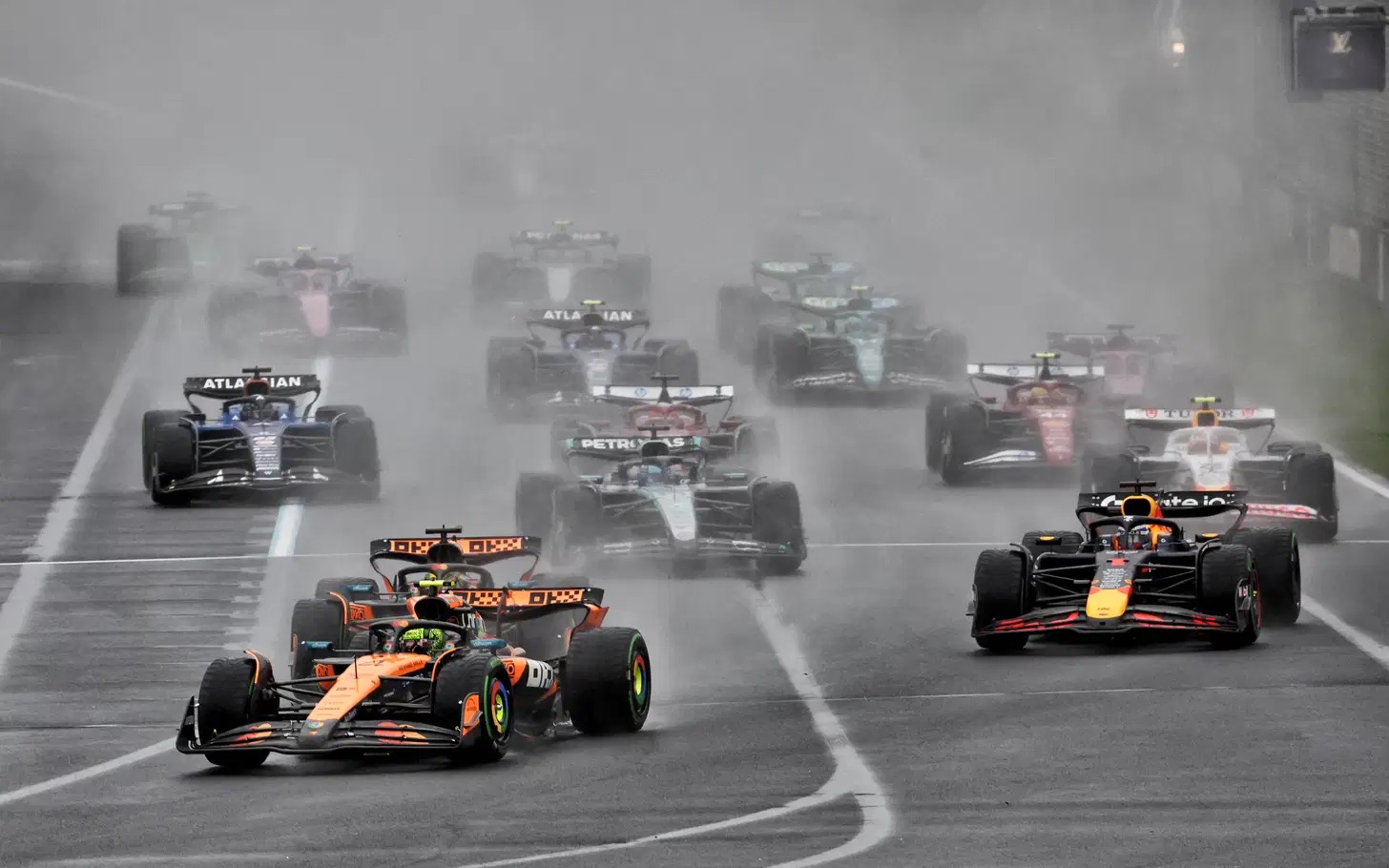
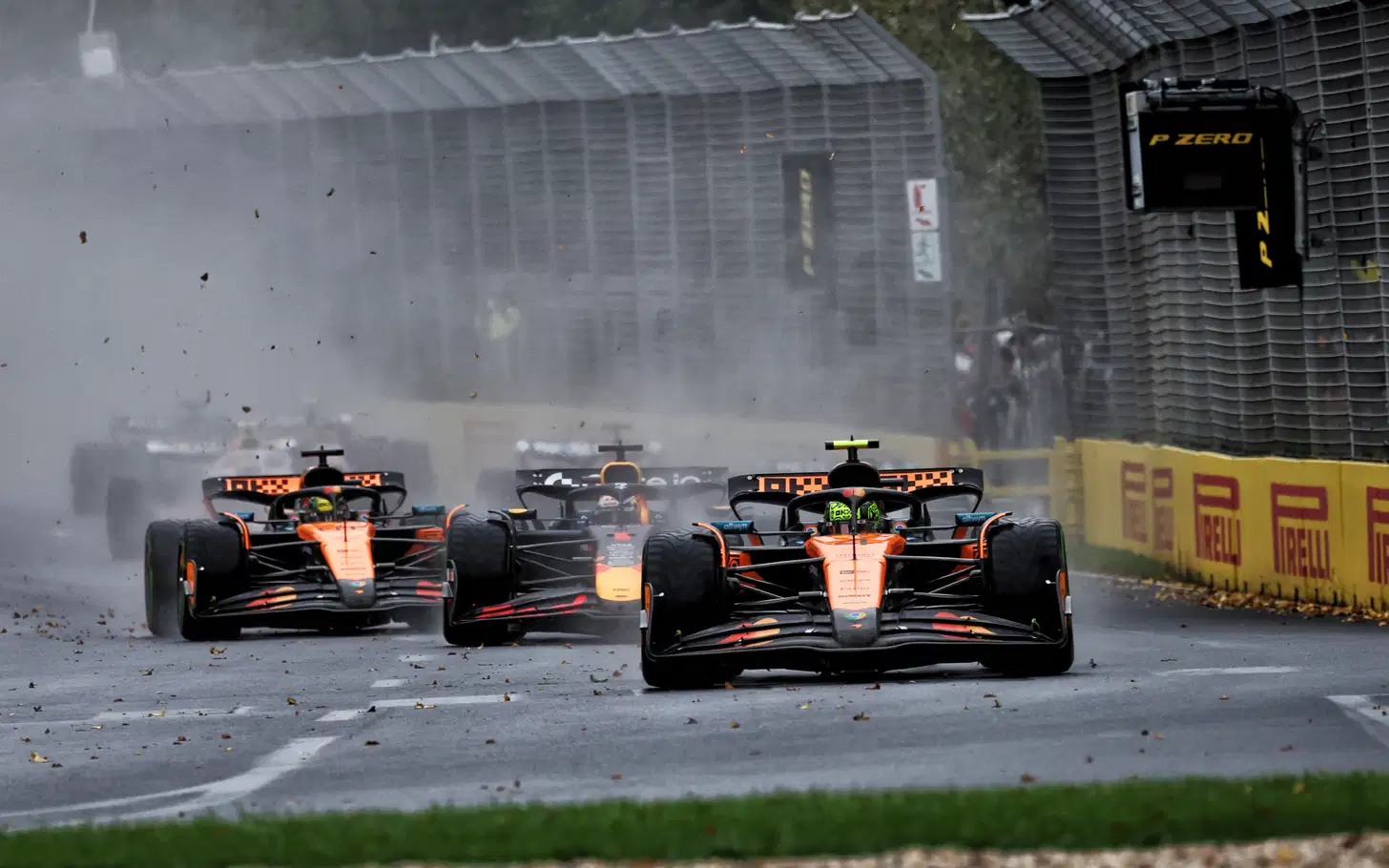
Ironically, while the Bahrain test has been cancelled, wet-weather tyres could still make an appearance at the season-opening Australian Grand Prix.
The next race on the calendar will take place in Melbourne, located in the state of Victoria, where severe weather warnings have already been issued. Forecasts predict thunderstorms, heavy rainfall and potential flash flooding just days before the grand prix weekend begins.
With teams and paddock personnel preparing to arrive in Australia, adverse weather conditions could impact early setup and practice sessions. Should rain persist into the race weekend, Pirelli’s wet compounds may face an immediate real-world challenge — albeit without the benefit of the cancelled Bahrain test data.
For now, the focus remains firmly on safety. Pirelli’s swift action and Formula 1’s reassurances highlight the sport’s commitment to protecting its people while keeping the global championship on track.