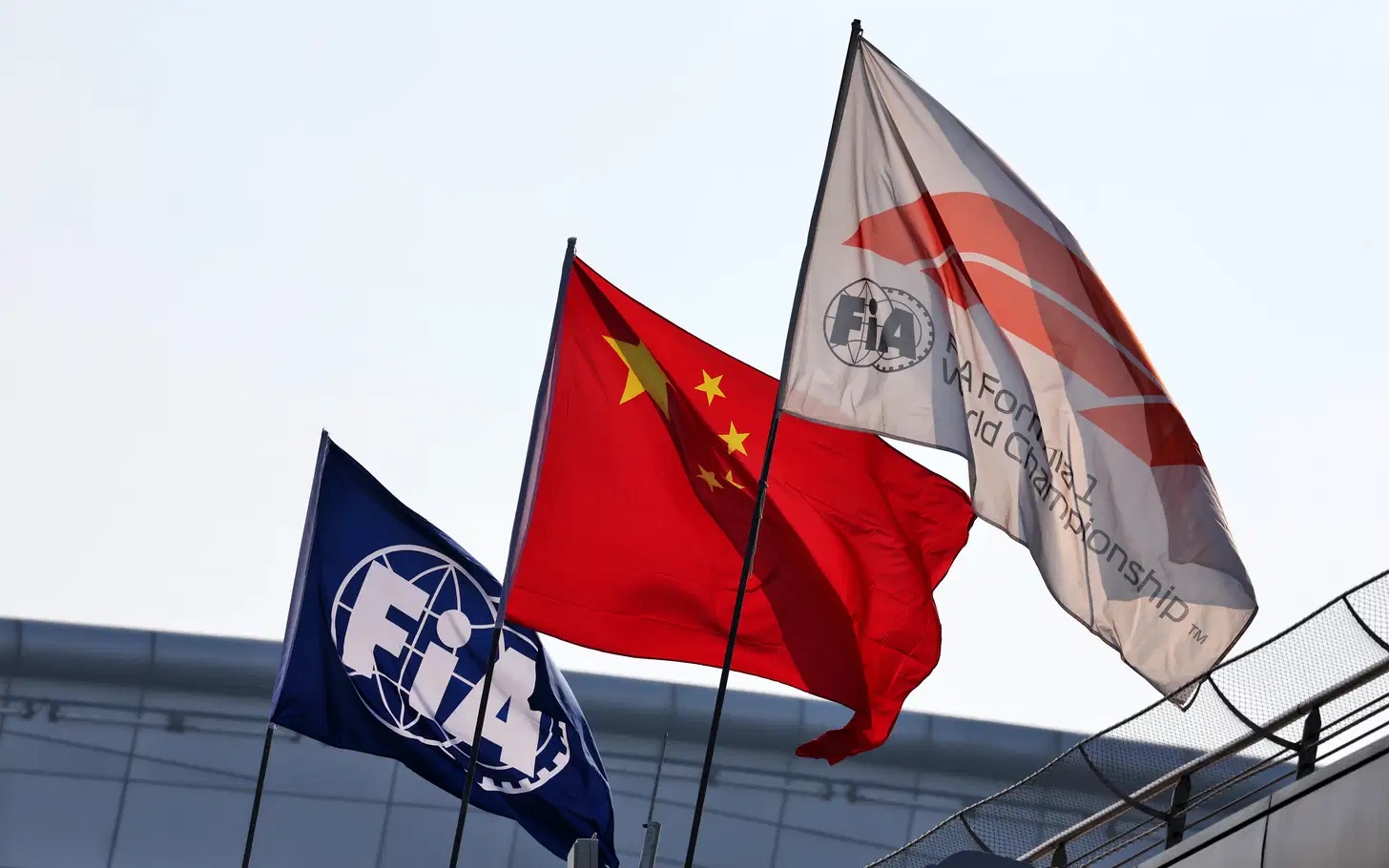
Formula One teams have been notified of a temporary regulatory adjustment ahead of the 2026 Chinese Grand Prix after logistical complications disrupted the normal preparations for the race weekend. The sport’s governing body, the FIA, informed teams that changes would be made to the curfew rules that normally restrict team personnel from working at the track during certain periods before the race weekend activities begin. The decision was made to accommodate unexpected delays affecting the arrival of equipment needed for the event.
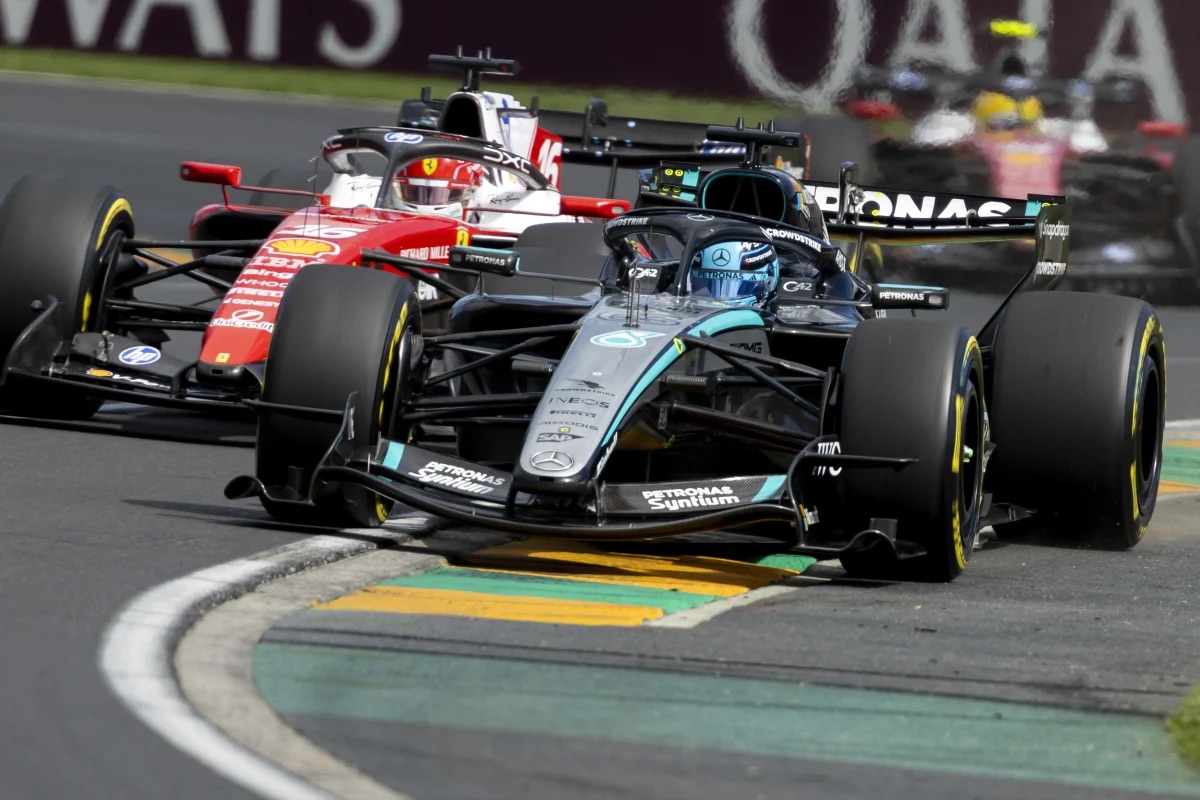
The Chinese Grand Prix in Shanghai marks the second round of the 2026 Formula One season and comes shortly after the season-opening race in Australia. That opening event produced an impressive performance from Mercedes, with George Russell leading the team to a one-two finish. As teams prepare to continue the championship battle in China, the FIA’s curfew modification is designed to ensure that the logistical setbacks do not significantly hinder preparations for the upcoming race weekend.
According to the FIA, the rule change specifically affects what is known as “Restricted Period One,” a curfew period that normally occurs on Wednesday during a Formula One race weekend. Under standard regulations, operational staff and trainee personnel are prohibited from being present at the circuit for a fixed period of time prior to the start of the weekend’s on-track action. This restriction is typically set at 13 hours and lasts until roughly 29 hours before the beginning of the first practice session on Friday.
However, because of the logistical challenges surrounding the Chinese Grand Prix, this restriction has been temporarily shortened. The FIA confirmed that the duration of the curfew during this initial restricted period will be reduced by six hours for the Shanghai event. As a result, teams will have additional time to carry out essential preparations before the race weekend officially begins.
The governing body clarified that this relaxation of the rule applies only to a limited number of personnel within each team. A maximum of six operational staff members from each competitor will be allowed to remain at the track during the adjusted curfew period. These individuals will be permitted to carry out specific tasks related to tyre preparation, which is considered a critical step in readying the cars for competition.
The reason behind this unusual regulatory adjustment stems from difficulties experienced by Formula One’s tyre supplier, Pirelli. Freight delays prevented the timely arrival of tyres at the Shanghai circuit, forcing the FIA and race organizers to revise the schedule for tyre fitting and preparation. To ensure that teams still have adequate time to complete this process before the start of the race weekend, the curfew restrictions were partially lifted.
Even though the curfew rules have been eased for this event, the FIA emphasized that the change applies only to the preparation of tyres. Teams will not be allowed to perform other forms of work on their cars or equipment during this extended access period. This limitation ensures that the rule adjustment remains focused on solving the immediate logistical problem rather than providing teams with additional opportunities for car development or setup changes.
Curfew regulations are a longstanding part of Formula One’s sporting rules. They were originally introduced to prevent teams from overworking their staff during race weekends and to maintain fairness among competitors. By restricting when personnel can work at the circuit, the regulations aim to create a balanced environment in which all teams operate within similar preparation windows. These rules also help protect team members from excessive workloads during the demanding global race calendar.
Despite the existence of these curfew restrictions, teams are permitted to break the curfew a limited number of times throughout the season without facing penalties. According to FIA sporting regulations, each team is allowed to breach the curfew during the first restricted period of a race weekend on up to six occasions across the season. These allowances provide teams with a degree of flexibility when unforeseen circumstances require additional preparation time.
However, exceeding this limit carries serious consequences. If a team were to break the curfew for a seventh time during a race weekend, it would face a significant sporting penalty. Under the FIA rules, both drivers representing the offending team would be required to start the main race from the pit lane rather than from their qualifying positions on the grid. Such a penalty could severely impact a team’s race prospects, making curfew management an important strategic consideration throughout the season.
The curfew modification in China also follows other logistical disruptions that have affected Formula One events earlier in the season. In the lead-up to the Australian Grand Prix, travel interruptions and freight complications caused delays for several teams. Some crew members reportedly encountered difficulties leaving Europe due to airspace closures and other transportation problems, forcing teams to scramble to reach the circuit on time.
During that previous race weekend, the FIA took similar action by suspending certain curfew restrictions altogether in order to help teams recover from the travel delays. Those temporary measures allowed teams to continue their preparations despite the logistical setbacks they faced upon arriving at the track.
With Formula One’s global schedule requiring teams to transport large quantities of equipment between continents within tight timeframes, logistical challenges are not uncommon. Freight shipments typically include everything from car components and spare parts to garage infrastructure and tyre supplies. When any element of this complex transportation network experiences delays, race organizers and governing bodies sometimes need to adapt their procedures to keep the event running smoothly.
As the championship moves to Shanghai, teams will now take advantage of the adjusted curfew rules to complete the necessary tyre preparation before the first sessions of the race weekend begin. The event will feature the first sprint format of the 2026 season, meaning that teams will have even less time than usual to prepare their cars between sessions once track activity begins.
The weekend’s schedule includes the first practice session and sprint qualifying on Friday, followed by the sprint race on Saturday and the main grand prix on Sunday. With such a packed timetable, ensuring that teams can complete essential preparations in advance is particularly important.
Overall, the FIA’s decision to modify the curfew for the Chinese Grand Prix demonstrates the governing body’s willingness to adapt regulations when unforeseen logistical challenges arise. By granting limited additional access to the circuit for tyre preparation, the organization aims to maintain fairness among teams while ensuring that the race weekend proceeds without unnecessary disruption.