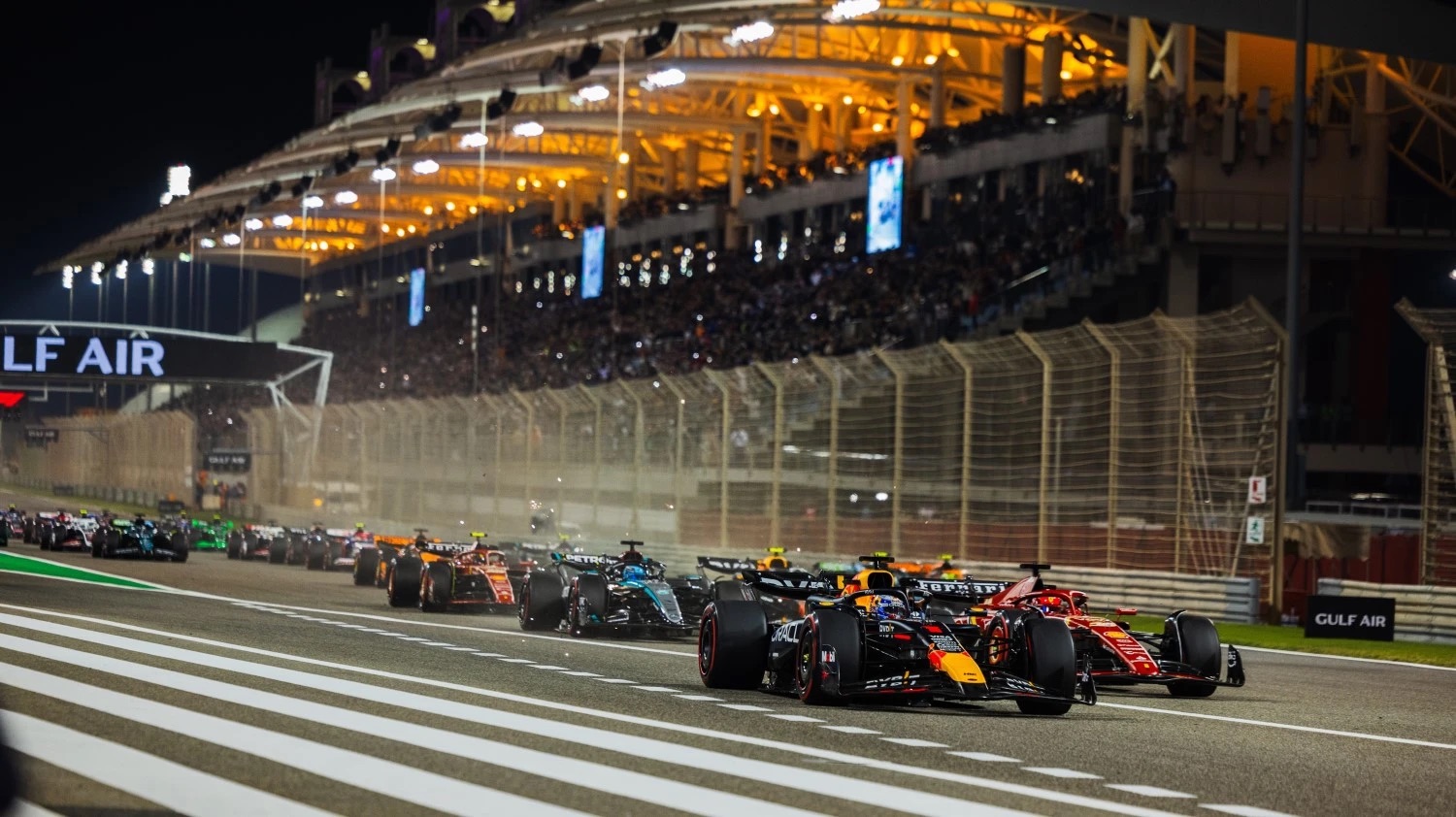
Formula One has officially decided not to replace the cancelled Grands Prix in Bahrain and Saudi Arabia, despite a late push from another potential host venue eager to step in.
The two Middle Eastern races were removed from the calendar following escalating military tensions involving Iran, which created safety concerns across the Gulf region. Both Bahrain and Saudi Arabia were directly affected by retaliatory strikes targeting American military bases, making it impossible for the events to go ahead as planned. While the cancellations had been anticipated for some time, F1 leadership delayed making a final call in the hope that the situation might stabilise in time to proceed with the races.
As a result of the decision, Formula One now faces an extended break in the schedule, with no racing action taking place until the Miami Grand Prix in early May. This unexpected gap has disrupted the flow of the season and prompted discussions about possible replacements to maintain momentum.
One of the most notable proposals came from South Australia. State Premier Peter Malinauskas reached out directly to Stefano Domenicali to explore the possibility of bringing a race back to Adelaide at short notice. The city previously hosted the Australian Grand Prix from 1985 to 1995 at the historic Adelaide Parklands Circuit, and officials believed they could prepare the venue in time.
Malinauskas revealed that his team had already assessed the logistics and believed a temporary street circuit could be set up within the required timeframe. Acting quickly once it became clear the Middle Eastern races would not go ahead, he contacted F1 executives to present Adelaide as a viable replacement option.
According to Malinauskas, he had been laying the groundwork for some time and saw the cancellations as a rare opportunity to reintroduce Formula One to the city. He explained that he immediately made contact with Domenicali to pitch the idea, emphasizing that the infrastructure and planning were ready to move forward if given approval.
Despite the enthusiasm and preparedness shown by the South Australian government, Formula One ultimately chose not to add any replacement events to the calendar. After reviewing the proposal and considering the logistical challenges of organizing a race at such short notice, the sport’s leadership opted to leave the schedule unchanged.
The decision reflects the complexities involved in staging a Formula One race, particularly when it comes to transporting teams, equipment, and personnel across continents on tight timelines. Even with a willing host and a historically proven circuit, the operational demands proved too significant to overcome in the available window.
For fans, the outcome means a longer wait before the next race weekend, while teams will have additional time to regroup and prepare for the upcoming rounds. Although Adelaide’s bid was ultimately unsuccessful, it has reignited interest in the city as a potential future host, demonstrating that there remains global appetite for expanding or revisiting classic venues on the F1 calendar.