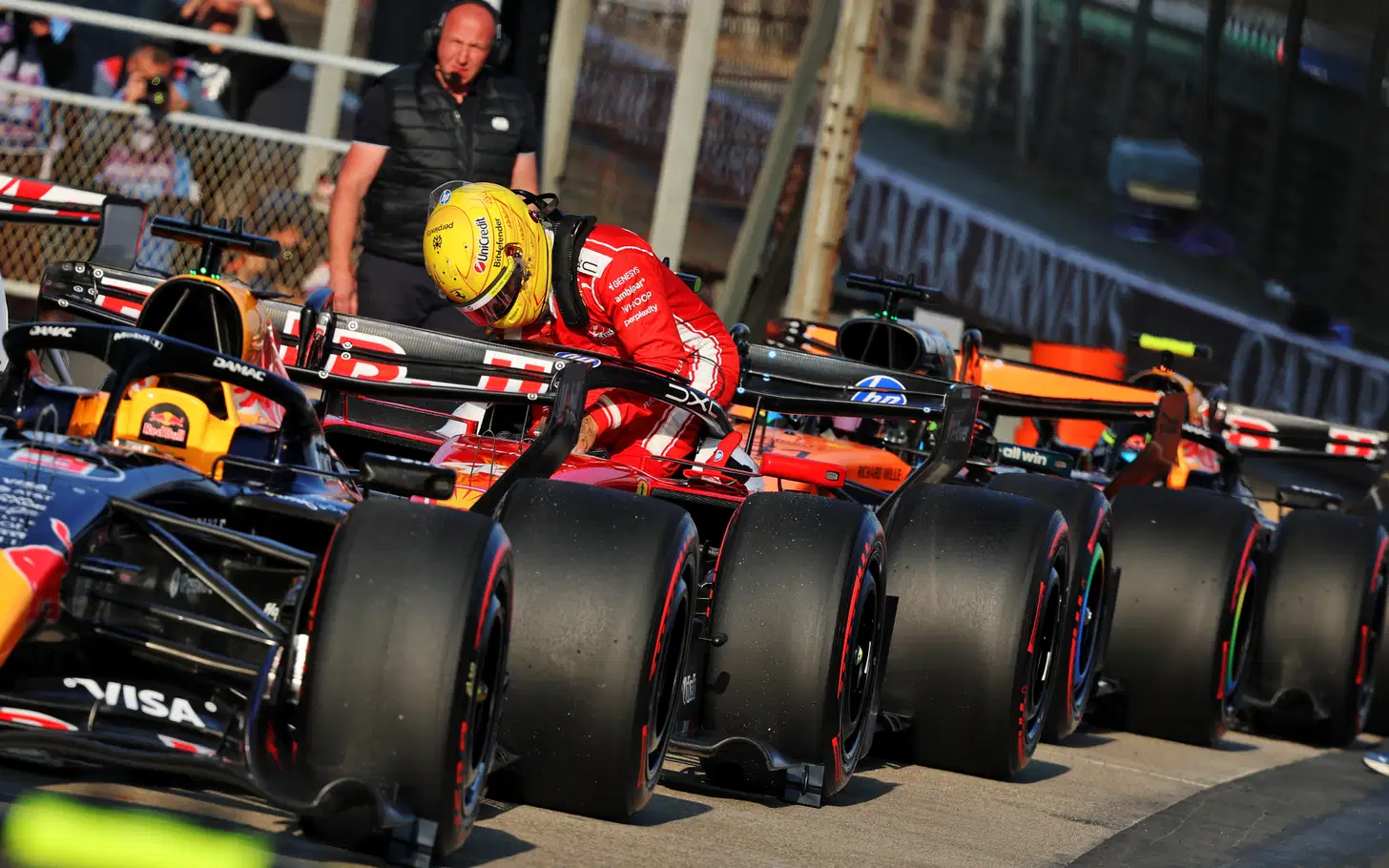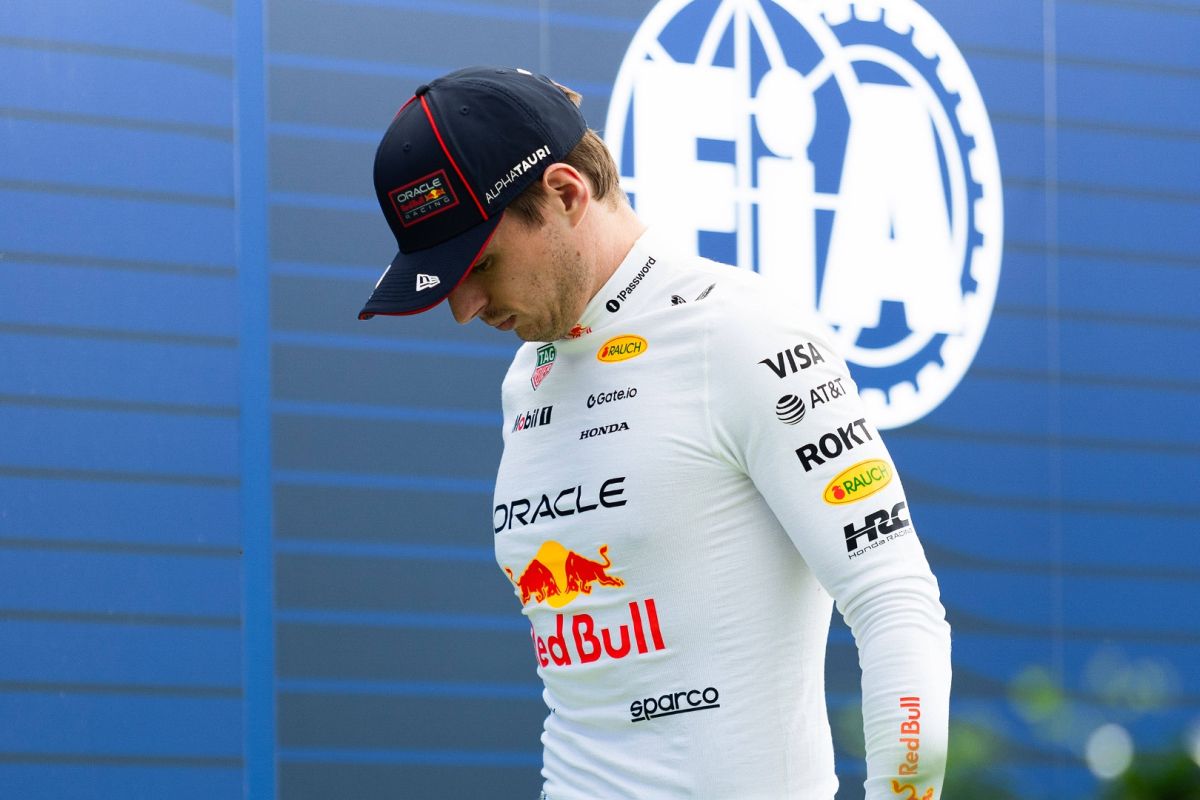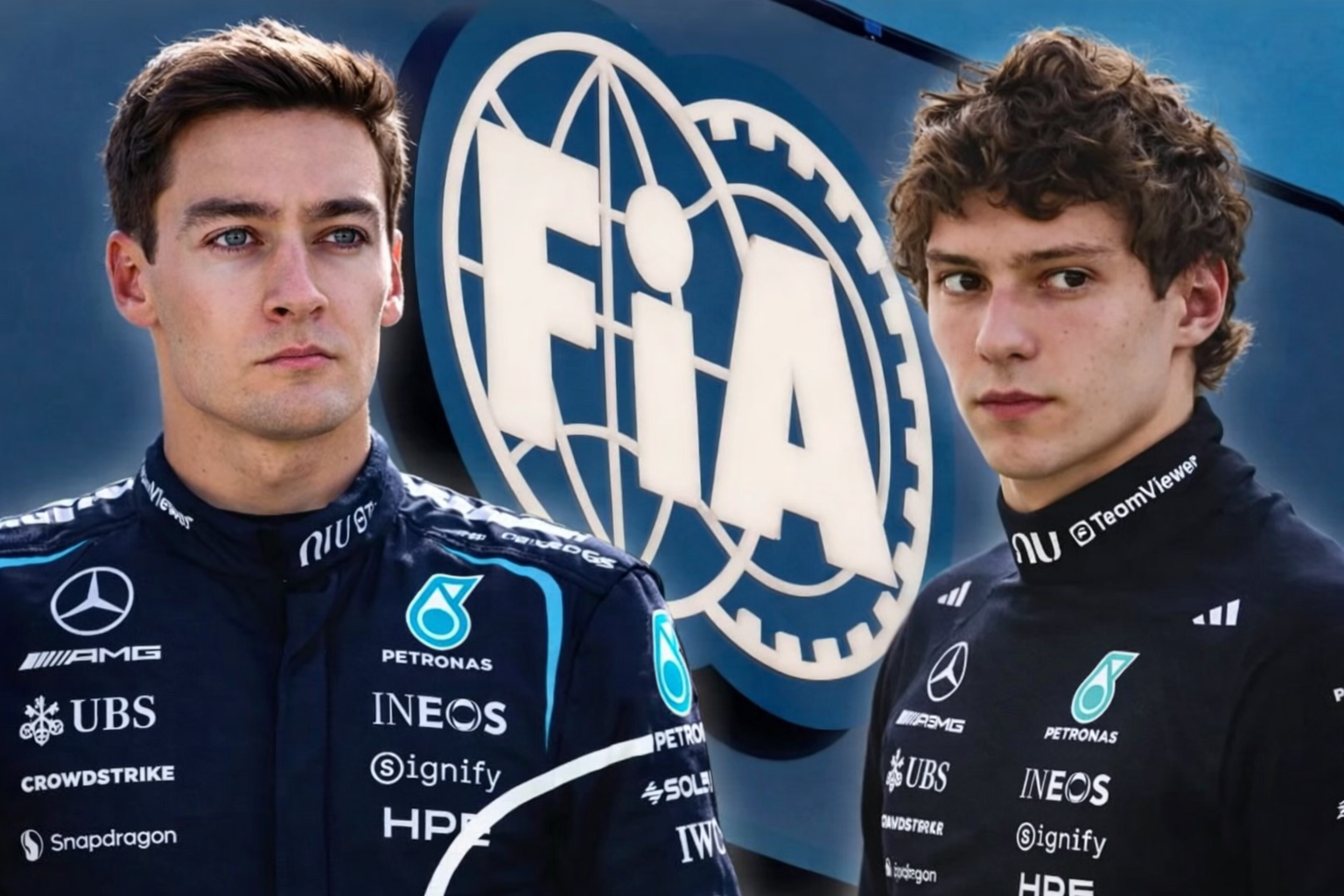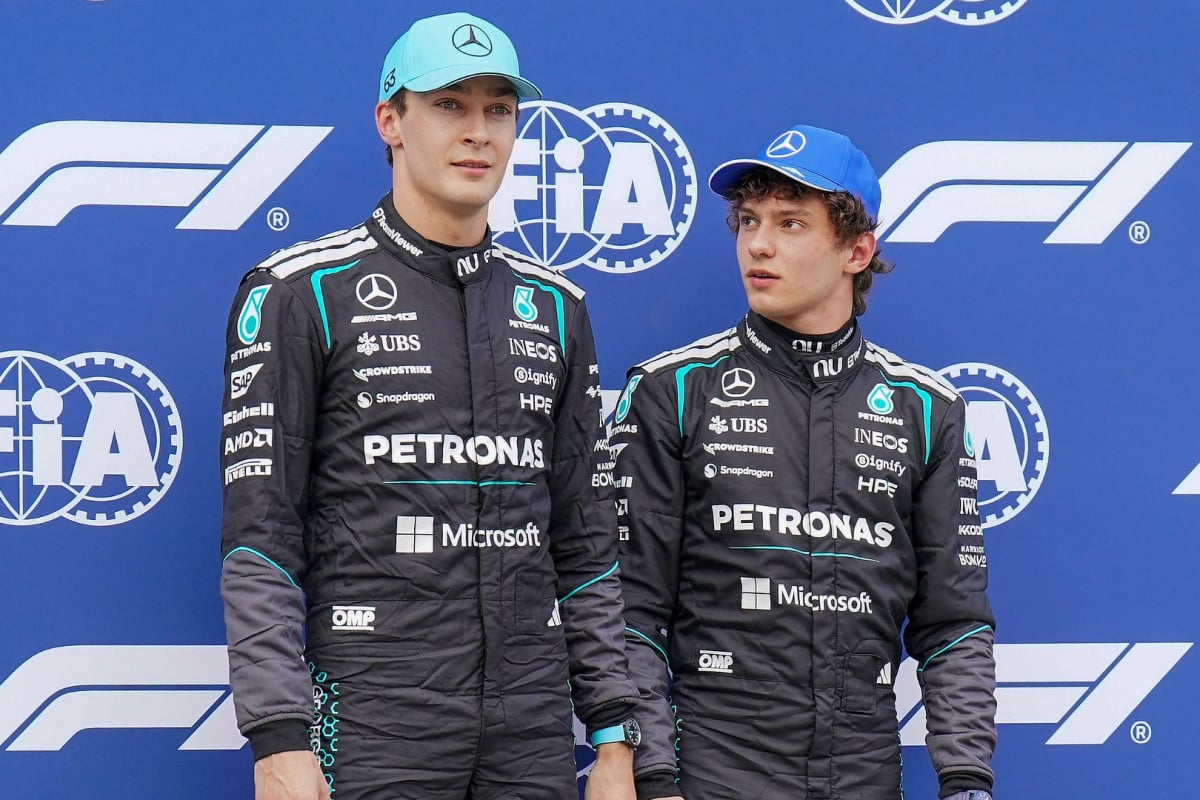
The FIA has officially confirmed that Kimi Antonelli will not receive a penalty after his incident with Lando Norris during Sprint Qualifying at the 2026 Chinese Grand Prix.
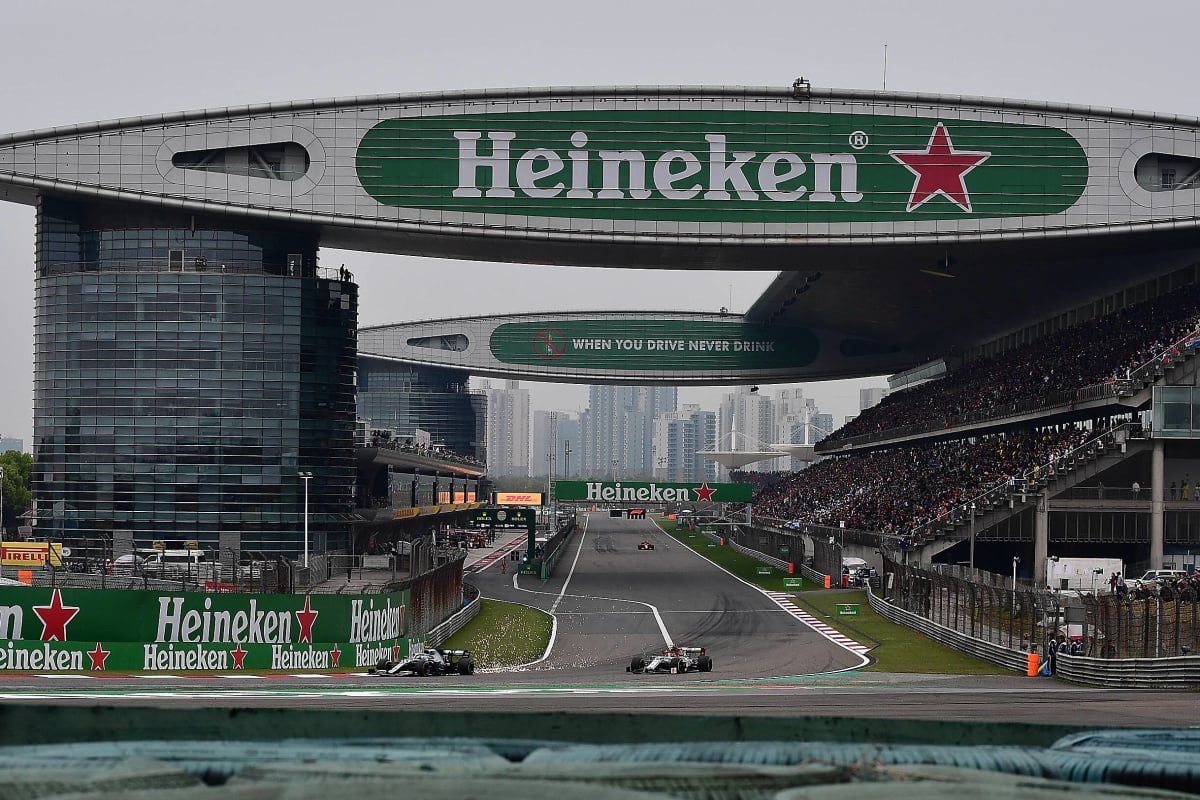
The moment occurred during the SQ2 stage of Sprint Qualifying at the Shanghai International Circuit. Antonelli had just left the pit lane and was rejoining the track when Norris arrived at Turn 1 carrying significant speed. From Norris’ perspective, it initially appeared that the Mercedes rookie had moved into his path while he was attempting to begin a fast lap.
Over team radio, the McLaren driver immediately voiced his frustration, suggesting that the Mercedes car had impeded him. Because potential obstruction during a qualifying session can affect lap times and ultimately influence grid positions, the incident was quickly referred to the stewards for investigation.
As is standard in Formula 1, the stewards launched a detailed review of the situation to determine whether Antonelli had breached the rules regarding “unnecessary impeding.” Both drivers were summoned to speak with officials, accompanied by representatives from their teams. The stewards then carefully analysed several pieces of evidence to build a full picture of what had happened on track.
Among the materials examined were multiple trackside camera angles, onboard footage from both cars, telemetry data showing speed and throttle application, and the radio communications exchanged between drivers and their race engineers. These sources are routinely used in Formula 1 investigations to establish whether a driver’s actions unfairly interfered with another competitor.
A crucial development in the case came during Norris’ own explanation to the stewards. The reigning world champion clarified that although he appeared to be travelling at high speed, he was not actually beginning a timed flying lap when he encountered Antonelli.
Instead, Norris explained that he was performing what drivers often call a “pushing warm-up lap.” In Formula 1 qualifying, drivers frequently push their cars relatively hard on these preparation laps to bring tyres up to the optimal operating temperature and prepare the car for a proper timed attempt.
These laps can look very similar to a full qualifying run from the outside because the cars are often travelling quickly. However, they are not officially considered competitive laps where drivers are attempting to set a time.
This distinction proved to be decisive in the stewards’ final judgement.
After comparing Norris’ explanation with the telemetry and video footage, officials concluded that Antonelli had not interfered with a driver who was on a genuine timed lap. Since Norris had not yet begun his official qualifying attempt, the stewards determined that the situation did not meet the threshold required for a penalty under Formula 1’s sporting regulations.
In their official statement, the stewards emphasised that the difference between a preparation lap and a flying lap was central to the outcome. They noted that if Norris had been on a timed lap when Antonelli exited the pit lane and joined the track, the decision might have been very different.
Under those circumstances, Antonelli could have been judged guilty of unnecessary impeding and might have faced a grid penalty either for the Sprint race or the main Grand Prix.
The verdict therefore represents a significant relief for the young Mercedes driver. Antonelli, who is currently navigating his rookie season in Formula 1, has been under intense scrutiny as one of the most highly anticipated newcomers on the grid.
Avoiding a penalty allows him to keep his qualifying position and continue what has been a strong weekend for Mercedes in Shanghai.
For the Mercedes team, the ruling ensures that their impressive performance during Sprint Qualifying remains intact without any disciplinary setback. The team has shown competitive pace throughout the weekend, and the decision means both drivers can start the Sprint race without disruption.
At the same time, the episode highlights how tight and complex modern Formula 1 qualifying sessions have become. With many cars on track at the same time, drivers pushing to warm their tyres, and teams attempting to manage traffic effectively, even minor positioning issues can quickly escalate into steward investigations.
The situation at the Chinese Grand Prix ultimately served as another reminder of how important context and precise definitions are when officials apply Formula 1’s sporting rules during high-pressure qualifying sessions.