FIA Confirms Revised F1 Qualifying Format for Landmark 2026 Season
Formula 1’s dramatic transformation ahead of the 2026 season has taken another significant step, with the FIA confirming an important change to the sport’s qualifying format. The adjustment has been introduced to accommodate an expanded grid, following the arrival of Cadillac as a new constructor and Audi’s full takeover of the Sauber operation.
The 2026 campaign is widely expected to mark one of the most radical resets in Formula 1’s modern era. Alongside sweeping new power unit regulations, teams will contend with redesigned chassis rules and revised aerodynamic concepts. Beyond the technical shake-up, the competitive landscape itself will also change, as Formula 1 returns to an 11-team grid for the first time in a decade.
Audi will officially replace Sauber under the Audi Revolut F1 banner, while Cadillac will join the championship as a brand-new works team. Their entry increases the total number of drivers on the grid from 20 to 22, presenting the FIA with a practical challenge under the existing qualifying structure.
Since 2006, Formula 1 qualifying has followed a familiar three-part format. The session is split into Q1, Q2 and Q3, with five drivers eliminated in each of the first two segments before the fastest 10 compete for pole position in the final shootout. However, with two additional cars entering the mix in 2026, that system could no longer operate as originally designed.
To resolve the issue, the FIA has confirmed that qualifying will continue to feature three sessions, but with an increased number of eliminations in the opening phases. From 2026 onward, six drivers will be knocked out in Q1 and another six in Q2. This adjustment ensures that Q3 will still showcase the top 10 drivers, preserving the high-stakes battle for pole position that has become a defining feature of modern F1 weekends.
The revised format has now been formally written into the FIA Sporting Regulations, making it one of several operational updates ahead of the new era. It follows recent clarifications from the governing body regarding how red flag stoppages will be handled during qualifying sessions, underlining a broader push to fine-tune race weekend procedures.
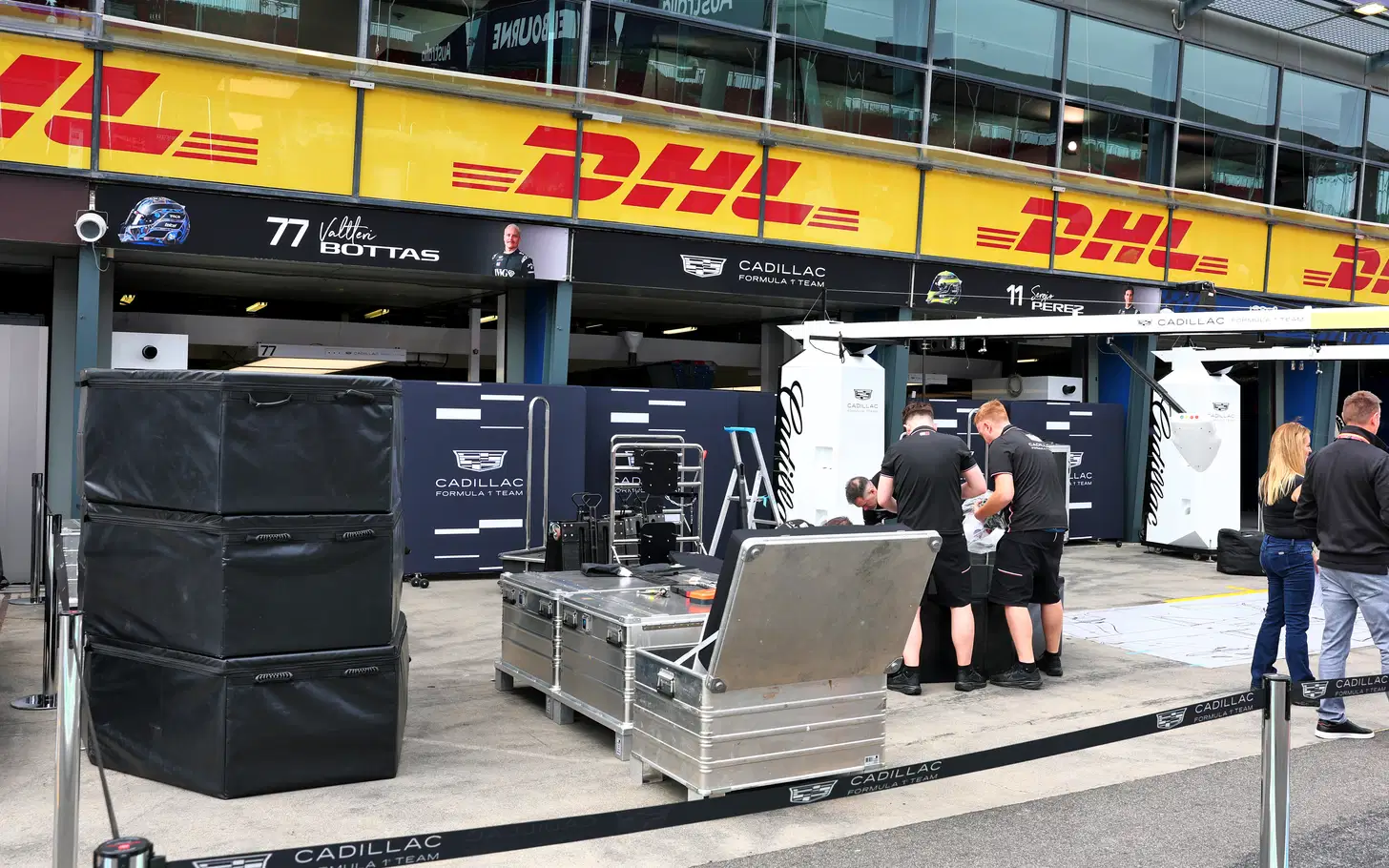
Cadillac’s entry has drawn particular attention, not only because of its status as an American manufacturer, but also due to its experienced driver pairing. Sergio Pérez and Valtteri Bottas are expected to lead the team in its debut season, becoming the 21st and 22nd drivers on the grid. Their arrival played a key role in the FIA’s decision to adjust eliminations rather than alter session lengths or introduce additional qualifying phases.
Despite the increased number of drivers being eliminated early, the overall structure and duration of qualifying will remain unchanged. Q1 will continue to run for 18 minutes, after which the six slowest cars will be removed from contention. A brief seven-minute intermission will follow before Q2 begins.
The second segment will last 15 minutes, with another six drivers eliminated at the end, leaving 10 competitors to advance to Q3. The final session will remain a 12-minute shootout for pole position, with grid positions decided exactly as they are today.
Crucially, the FIA has emphasized that the updated format is a targeted solution designed solely to accommodate the larger grid. The governing body believes the change preserves the rhythm, drama, and competitive balance of qualifying while ensuring fairness in an expanded field.
As Formula 1 prepares for one of the most ambitious overhauls in its history, the qualifying revision serves as a reminder that evolution extends beyond cars and engines. With new manufacturers, fresh teams, and more drivers than ever, even long-standing traditions must adapt — ensuring the sport remains compelling, competitive, and fit for a new generation.