FIA Confirms Revised Qualifying Format for Expanded 2026 Formula 1 Grid
Formula 1’s landmark reset in 2026 will extend beyond radical car and engine rules, with the FIA confirming a key adjustment to the sport’s qualifying format to accommodate a larger grid. The tweak follows the arrival of two new manufacturers and the expansion to 11 teams, a change that has forced the governing body to rethink how Saturday sessions are structured—without diluting the drama fans expect.
The 2026 season is already being billed as one of the most consequential in modern F1 history. New power unit regulations will redefine how cars generate performance, sweeping aerodynamic changes will reshape racecraft, and revised chassis rules will alter the visual identity of the grid. Adding to that upheaval is a competitive shake-up: Audi’s takeover of Sauber and the debut of Cadillac as a brand-new constructor will lift the field to 22 drivers for the first time since 2016.
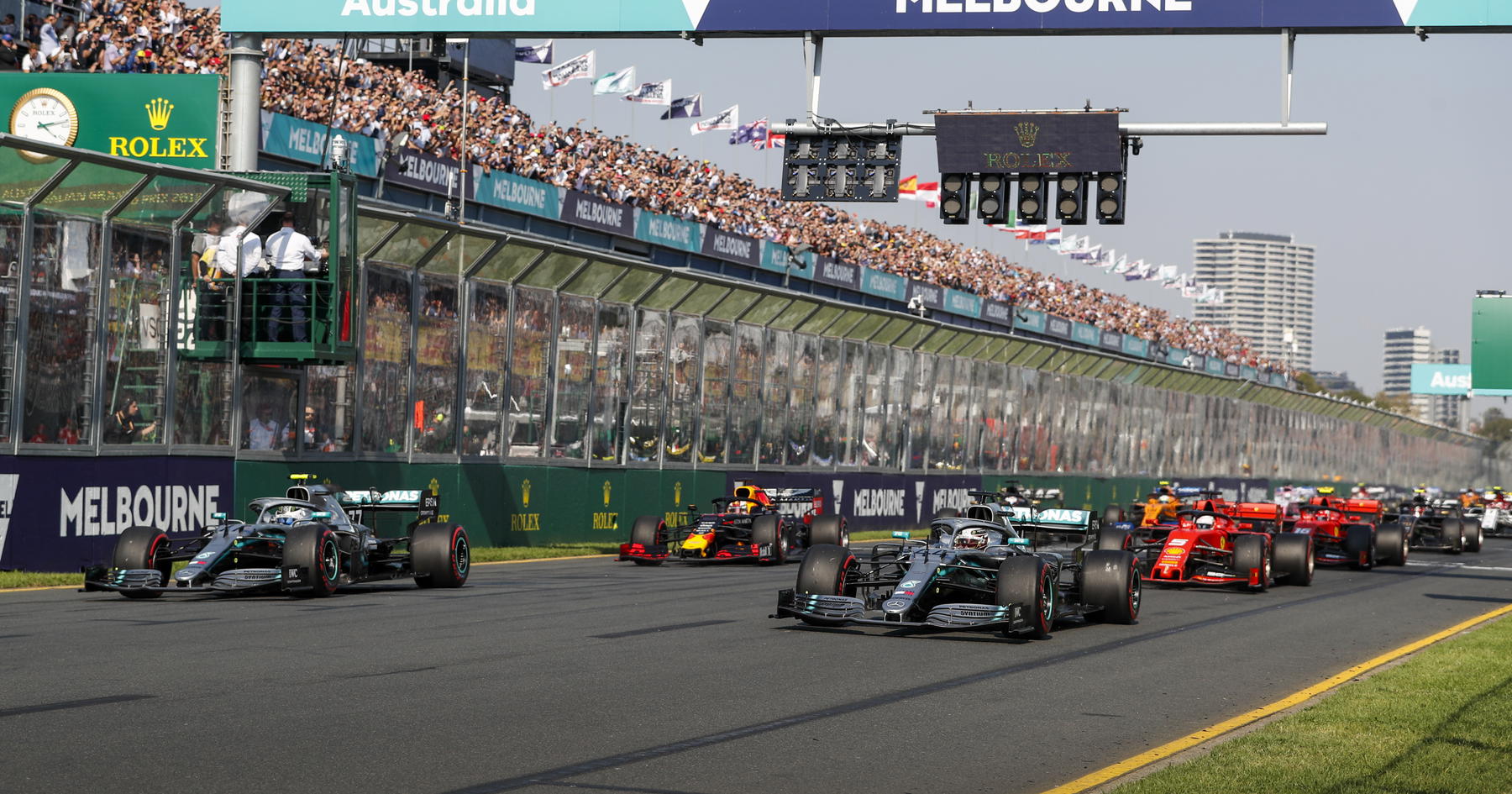
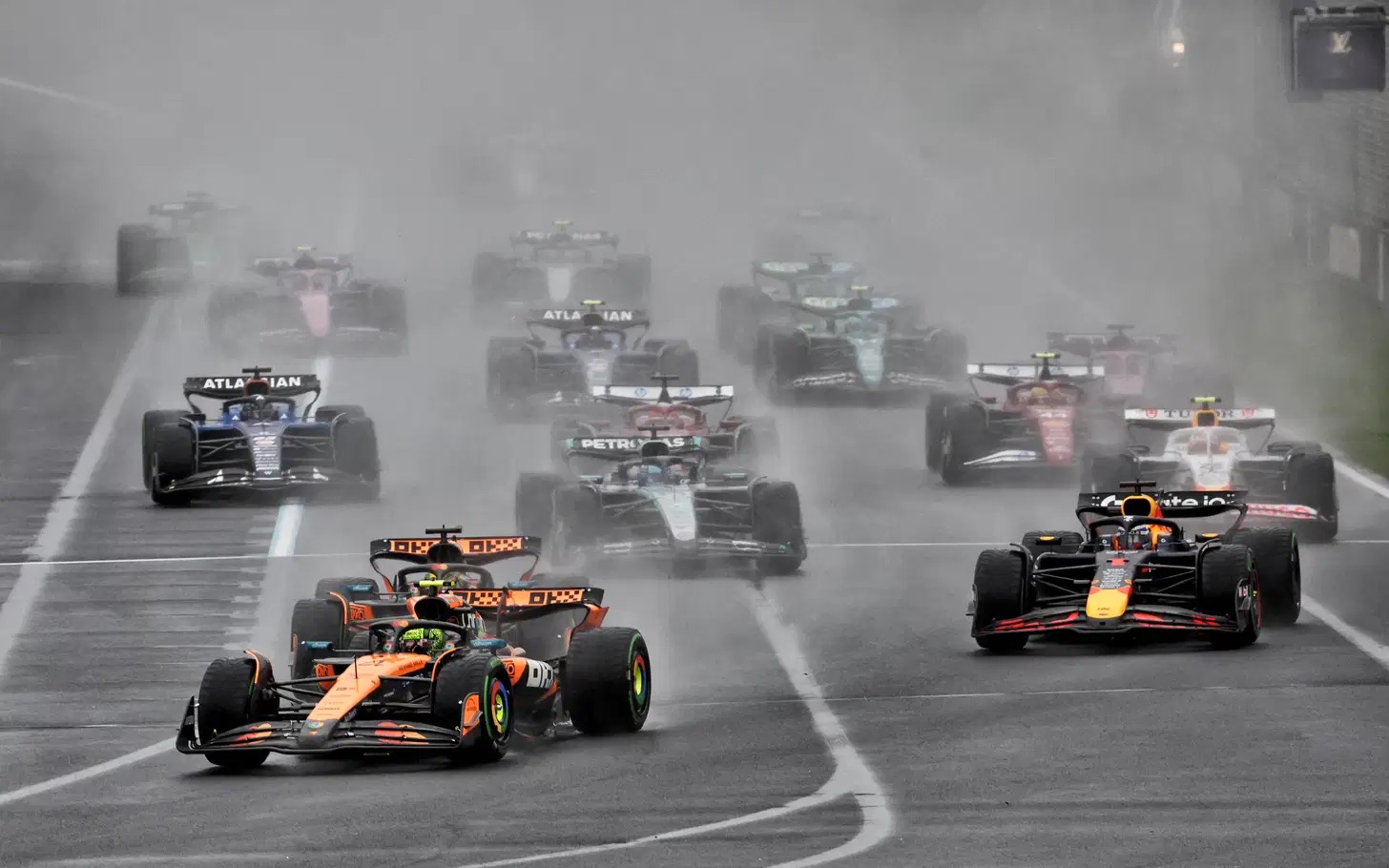
That expansion created an immediate logistical problem under the current qualifying system. For years, Formula 1 has relied on a three-part knockout format—Q1, Q2 and Q3—with five drivers eliminated in each of the opening segments before the fastest 10 fight for pole. With two extra cars on track, the FIA concluded that maintaining the same elimination numbers would either overcrowd the decisive session or undermine the balance of competition.
The solution, now confirmed in the FIA Sporting Regulations, is a precise but meaningful adjustment. Qualifying will remain split into three sessions, but the number of drivers eliminated in Q1 and Q2 will increase from five to six. The change preserves a 10-car shootout in Q3, ensuring the final act of qualifying retains its intensity, prestige, and familiar feel.
Crucially, the FIA has stressed that this is not a wholesale redesign of qualifying. The length of each session will stay the same, and the overall flow of the hour-long format will be unchanged. Instead, it is a targeted response to the expanded grid—one designed to integrate new teams smoothly while keeping the competitive tension intact.
From 2026, Q1 will continue to run for 18 minutes. At the end of the opening phase, the six slowest drivers will be eliminated from further contention. After a brief seven-minute interval to allow teams to reset and adjust, Q2 will begin and run for 15 minutes. Once again, six drivers will drop out, leaving the familiar group of 10 to contest pole position.
Q3 itself will remain exactly as fans know it. The final 12-minute sprint will decide the front of the grid, with teams unleashing their most aggressive setups and drivers extracting every last fraction of performance. Pole position will still be awarded to the fastest lap in the closing moments, maintaining one of the most thrilling spectacles of a Grand Prix weekend.
The decision reflects the FIA’s broader approach to 2026: evolve where necessary, but avoid unnecessary disruption. In recent months, the governing body has also clarified procedures around red flag interruptions in qualifying, underlining a wider effort to fine-tune race weekend operations ahead of a new era.
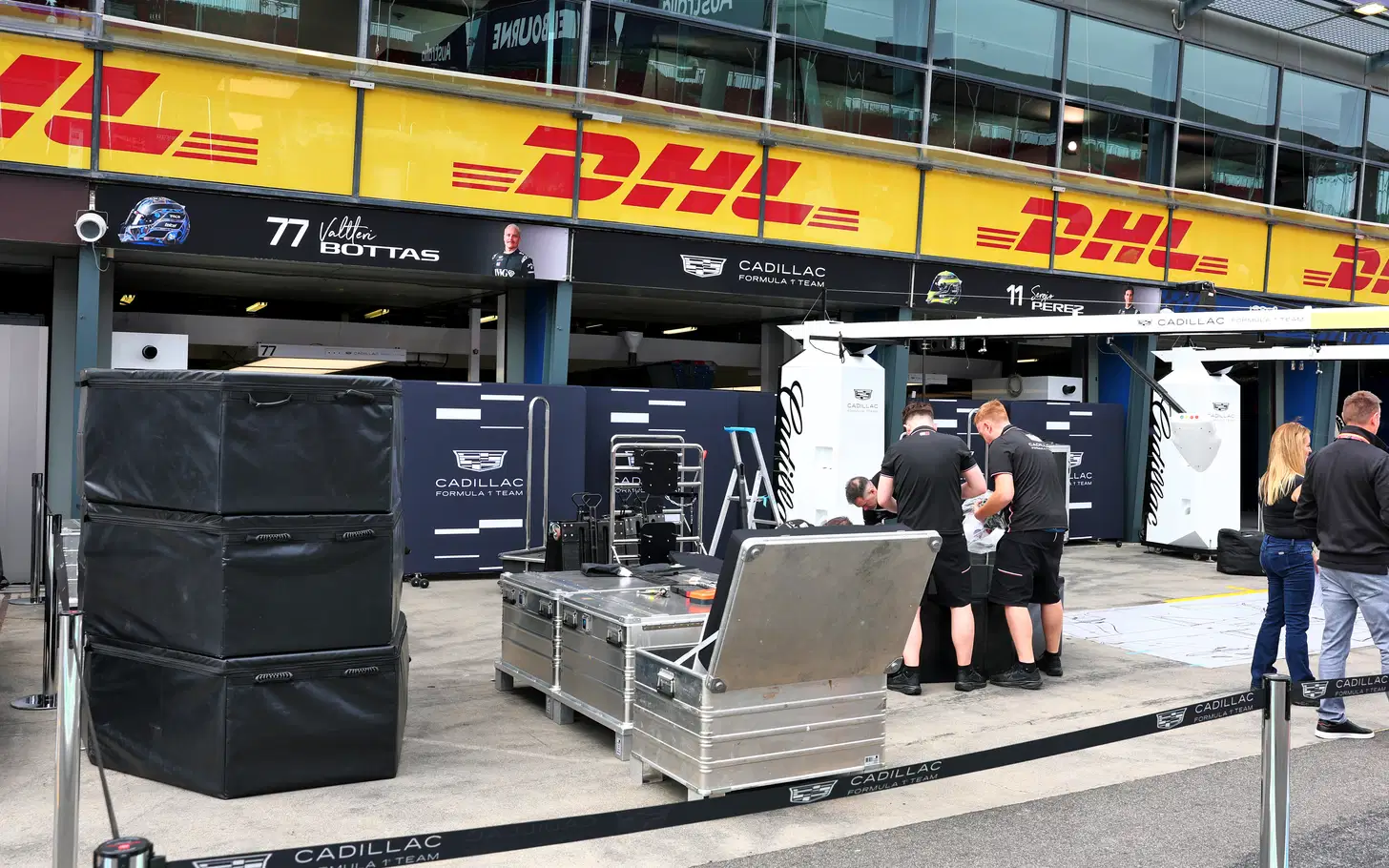
Cadillac’s arrival has been a particular focal point in discussions about the expanded grid. The American manufacturer is set to make an immediate statement with an experienced driver pairing, as Sergio Pérez and Valtteri Bottas are expected to spearhead the team’s debut campaign. Their inclusion brings the total driver count to 22 and was a significant factor in the FIA opting to adjust eliminations rather than extend sessions or add extra qualifying phases.
By increasing the number of drivers knocked out early, the FIA avoids lengthening Saturdays or overcrowding the decisive segment, while also ensuring that new teams face the same competitive pressures as established outfits. It is a subtle change, but one with real implications for midfield battles and strategic approaches to qualifying.
As Formula 1 hurtles toward its most ambitious transformation in years, the revised qualifying format serves as a reminder that evolution in the sport isn’t limited to cars and engines. With new manufacturers, fresh rivalries, and a bigger grid, even long-standing traditions must adapt. The aim, according to the FIA, is simple: keep qualifying fair, sharp, and relentlessly exciting—no matter how much the sport changes around it.