FIA Confirms F1 Qualifying Format Change Ahead of 2026 Season
Formula 1’s sweeping regulatory overhaul for the 2026 season has claimed another casualty, with the FIA confirming a necessary adjustment to the sport’s qualifying format. The change comes as a direct result of an expanded grid, driven by the arrival of Cadillac as a new team alongside Audi’s takeover of Sauber.
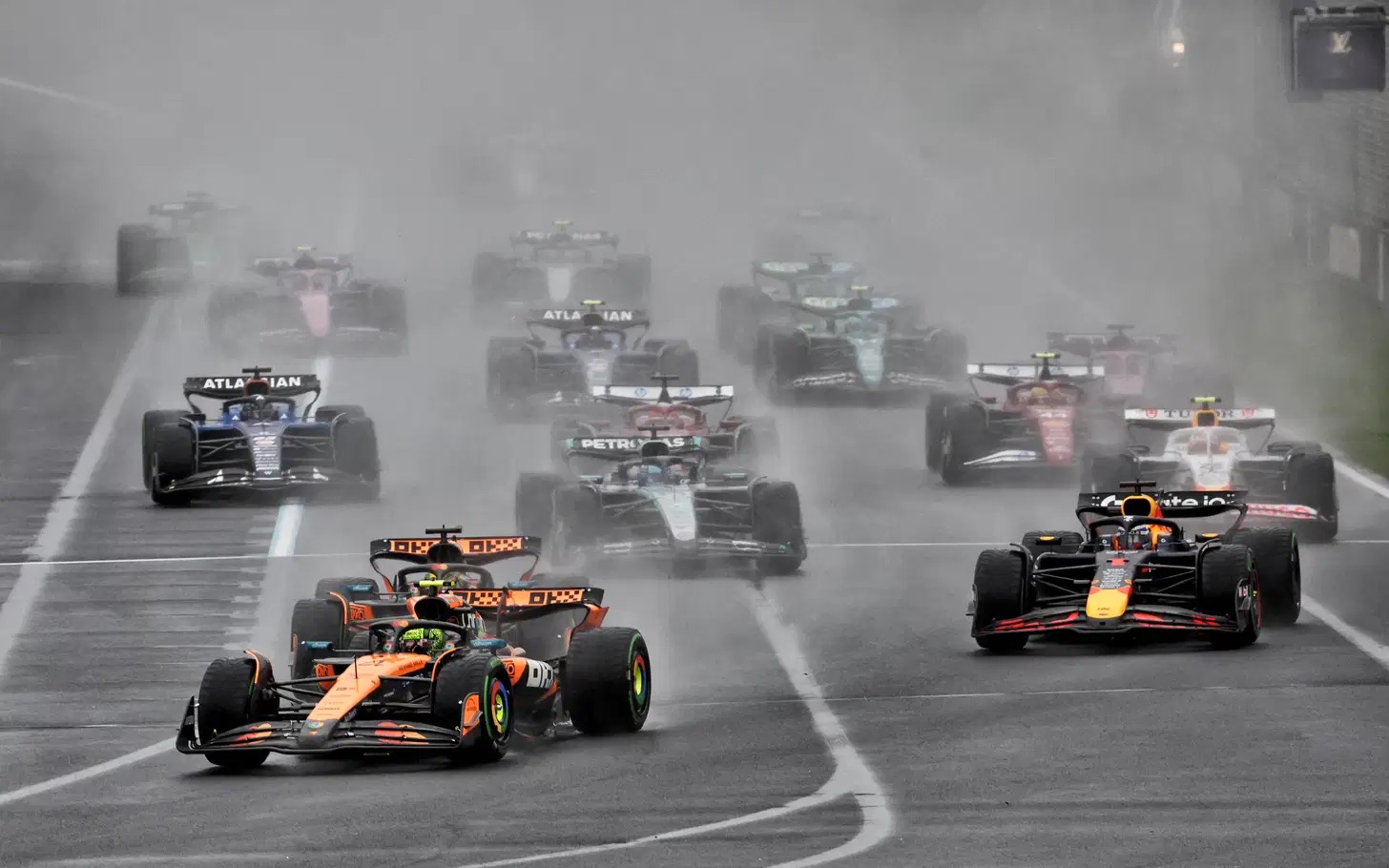
The 2026 campaign is already shaping up to be one of the most transformative in modern F1 history. Teams will be required to adapt to all-new power unit regulations, revised aerodynamic concepts, and altered chassis designs. On top of the technical revolution, the competitive landscape itself will change, with Formula 1 returning to an 11-team grid for the first time since 2016.
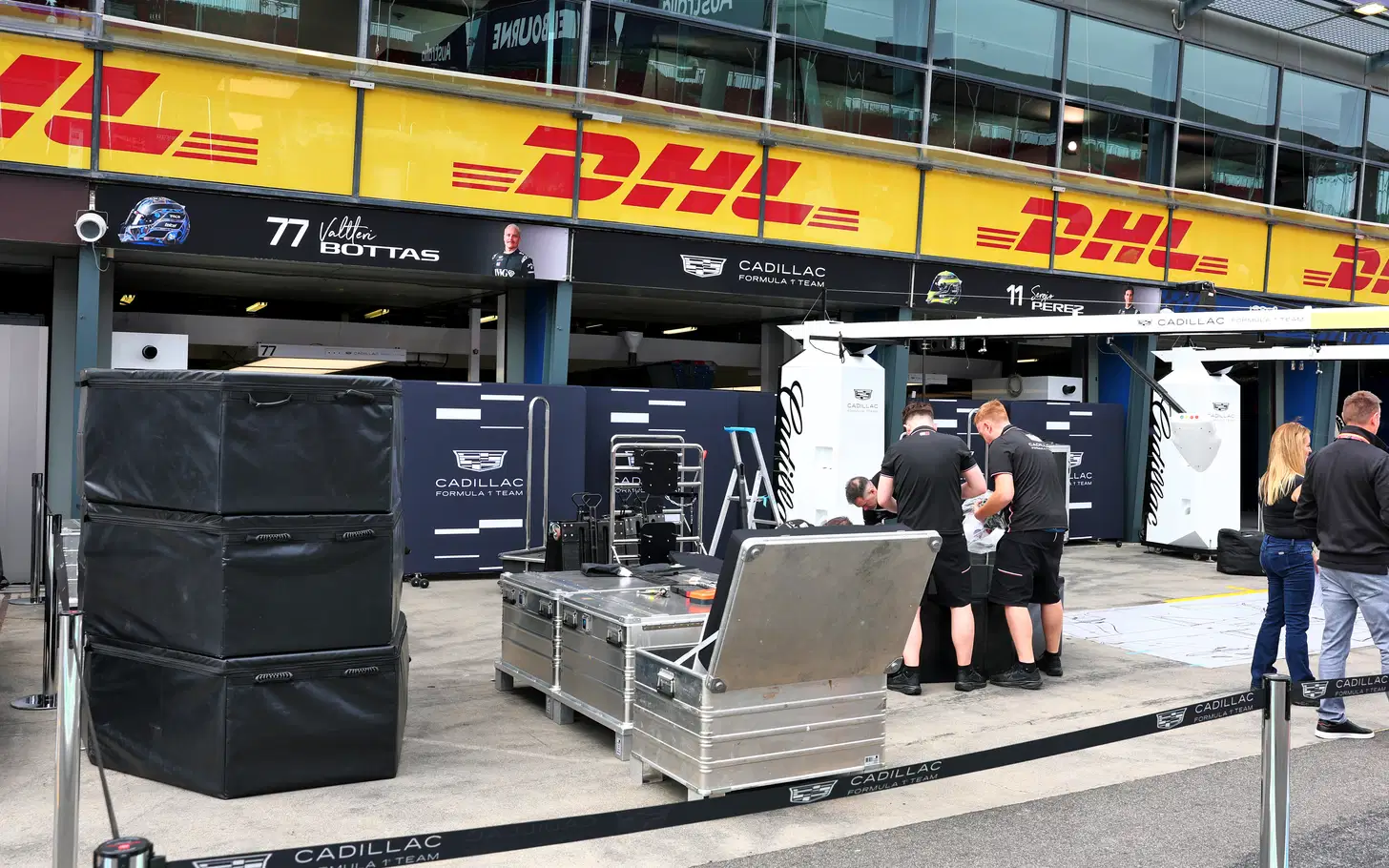
Audi Revolut F1 will officially replace Sauber on the grid, while Cadillac F1 will enter the championship as a brand-new constructor. Cadillac’s arrival expands the total number of drivers to 22, creating a logistical challenge for the FIA under the current qualifying system — and forcing a rethink.
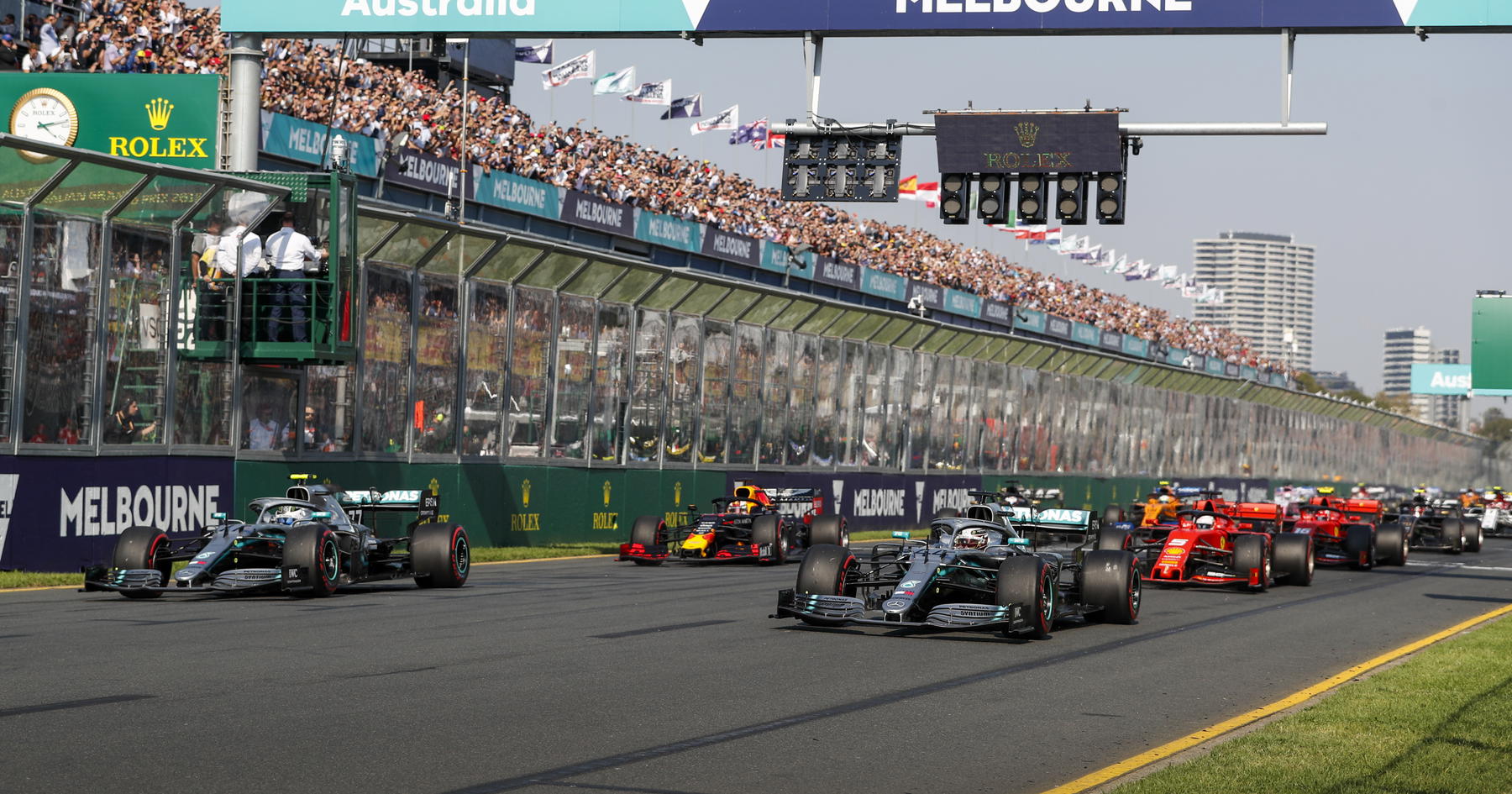
For several seasons, Formula 1 qualifying has followed a familiar and well-established structure. The session is split into three segments: Q1, Q2 and Q3. Five drivers are eliminated in Q1, another five drop out in Q2, and the remaining 10 drivers then battle for pole position in Q3.
However, with two additional drivers joining the grid in 2026, that format could no longer remain unchanged. The FIA has now confirmed that qualifying will still consist of three sessions, but the number of drivers eliminated in the opening two segments will increase.
Under the revised regulations, six drivers — rather than five — will be eliminated in both Q1 and Q2. This ensures that the final shootout for pole position in Q3 will continue to feature 10 drivers, preserving the intensity and prestige of the final qualifying session rather than expanding it to include more competitors.
The change has been formally outlined in the FIA Sporting Regulations, marking one of several procedural tweaks ahead of the 2026 season. It follows another recent announcement from the governing body addressing how red flag interruptions will be handled during qualifying sessions, highlighting the FIA’s broader effort to refine race weekend operations.
Cadillac’s entry has also attracted attention due to its experienced driver lineup. Sergio Pérez and Valtteri Bottas are set to form the American team’s inaugural pairing, becoming the 21st and 22nd drivers on the grid. Their inclusion was a key factor behind the FIA’s decision to alter the elimination structure rather than the overall length or number of qualifying sessions.
How F1 Qualifying Will Work From 2026
Despite the change in eliminations, the overall format and timing of qualifying will remain familiar to fans. The session will still run for approximately one hour, barring any delays caused by incidents or weather conditions.
Q1 will continue to last 18 minutes. At the end of the session, the six slowest drivers will be eliminated from qualifying. A seven-minute break will then take place before the start of Q2, allowing teams to prepare their cars for the next phase.
Q2 will run for 15 minutes, during which another six drivers will be knocked out. This will leave 10 drivers advancing to Q3, where pole position will be decided.
The final segment, Q3, will last 12 minutes and will remain unchanged in structure. As before, the fastest driver at the end of the session will secure pole position for Sunday’s Grand Prix, with the rest of the grid ordered according to qualifying results.
Importantly, the FIA has confirmed that the change in elimination numbers will not affect session durations or the overall flow of qualifying. Instead, it is a targeted adjustment designed solely to accommodate the expanded grid without compromising the drama and competitive balance that defines modern F1 qualifying.
As Formula 1 prepares for its most ambitious reset in years, the qualifying tweak is a reminder that regulatory evolution extends beyond cars and engines. With new teams, new manufacturers, and a larger field of drivers, even long-standing formats must evolve — ensuring the sport remains fair, competitive, and compelling in a new era.