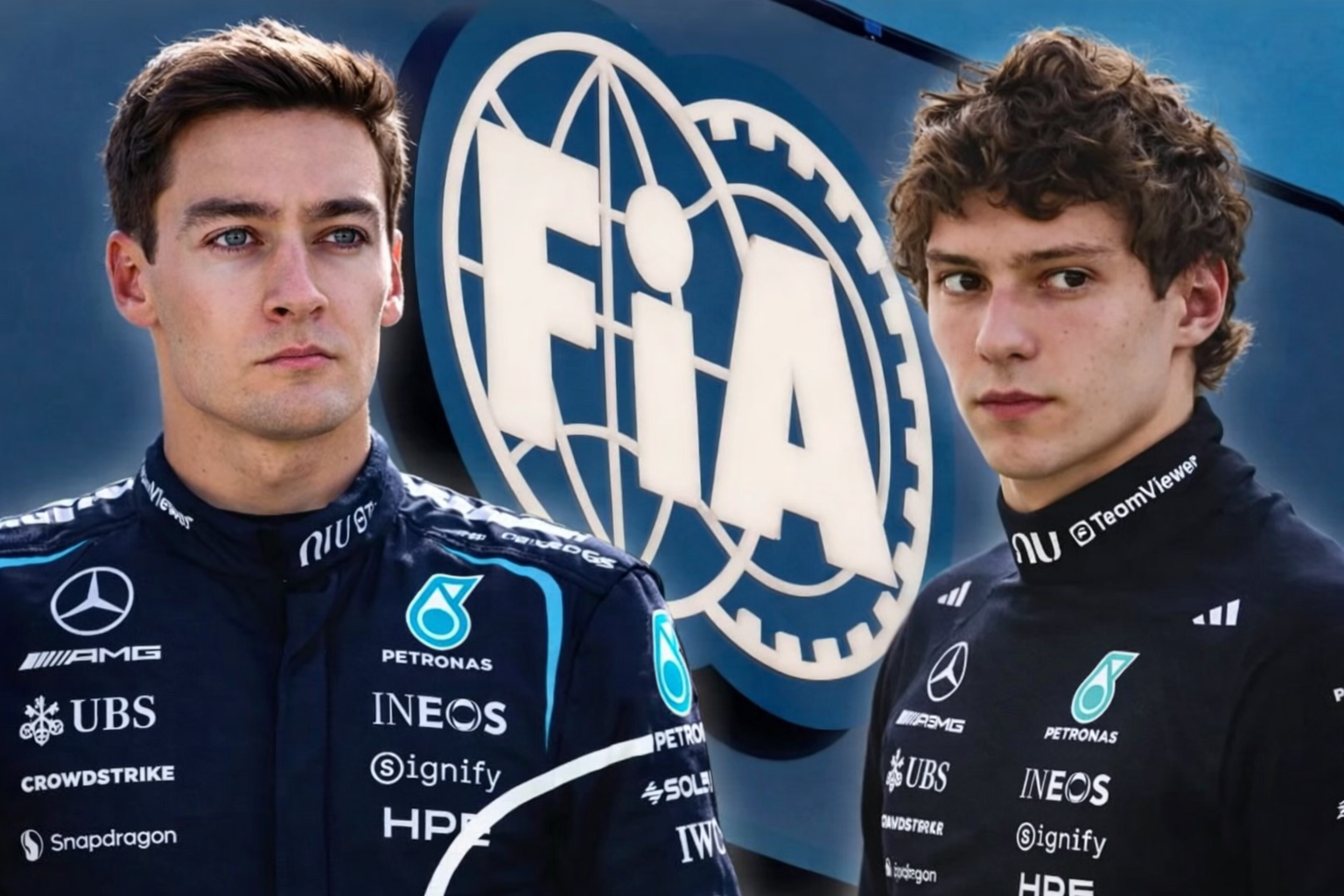
FIA Confirms Shocking penalty Verdict for Mercedes at Chinese Grand Prix after…read more
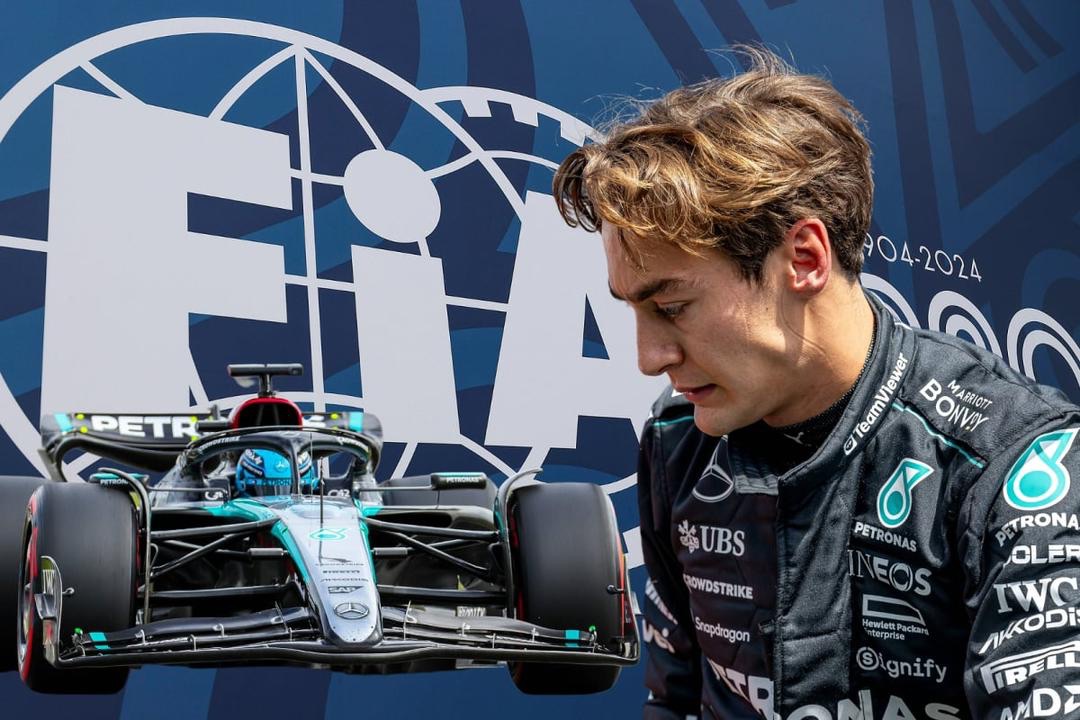
The FIA has confirmed that Mercedes rookie Kimi Antonelli will not face any penalty following an incident involving Lando Norris during Sprint Qualifying at the 2026 Chinese Grand Prix.
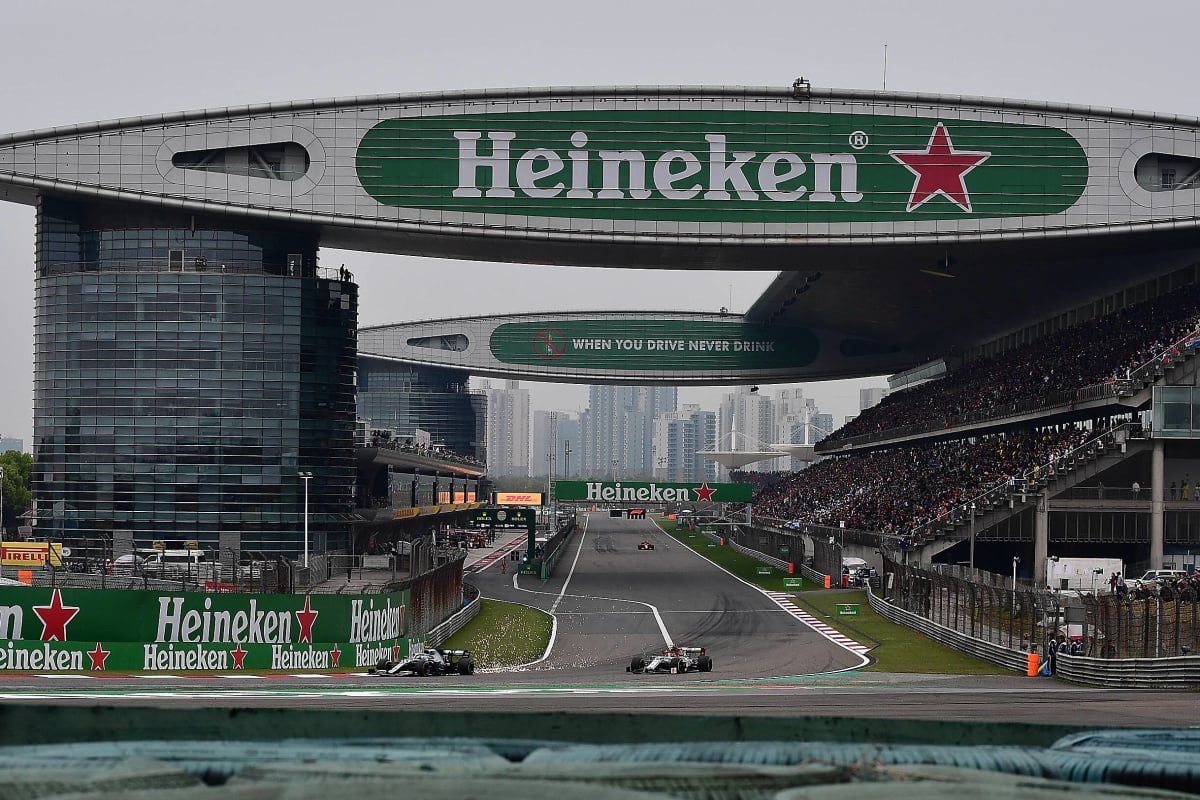
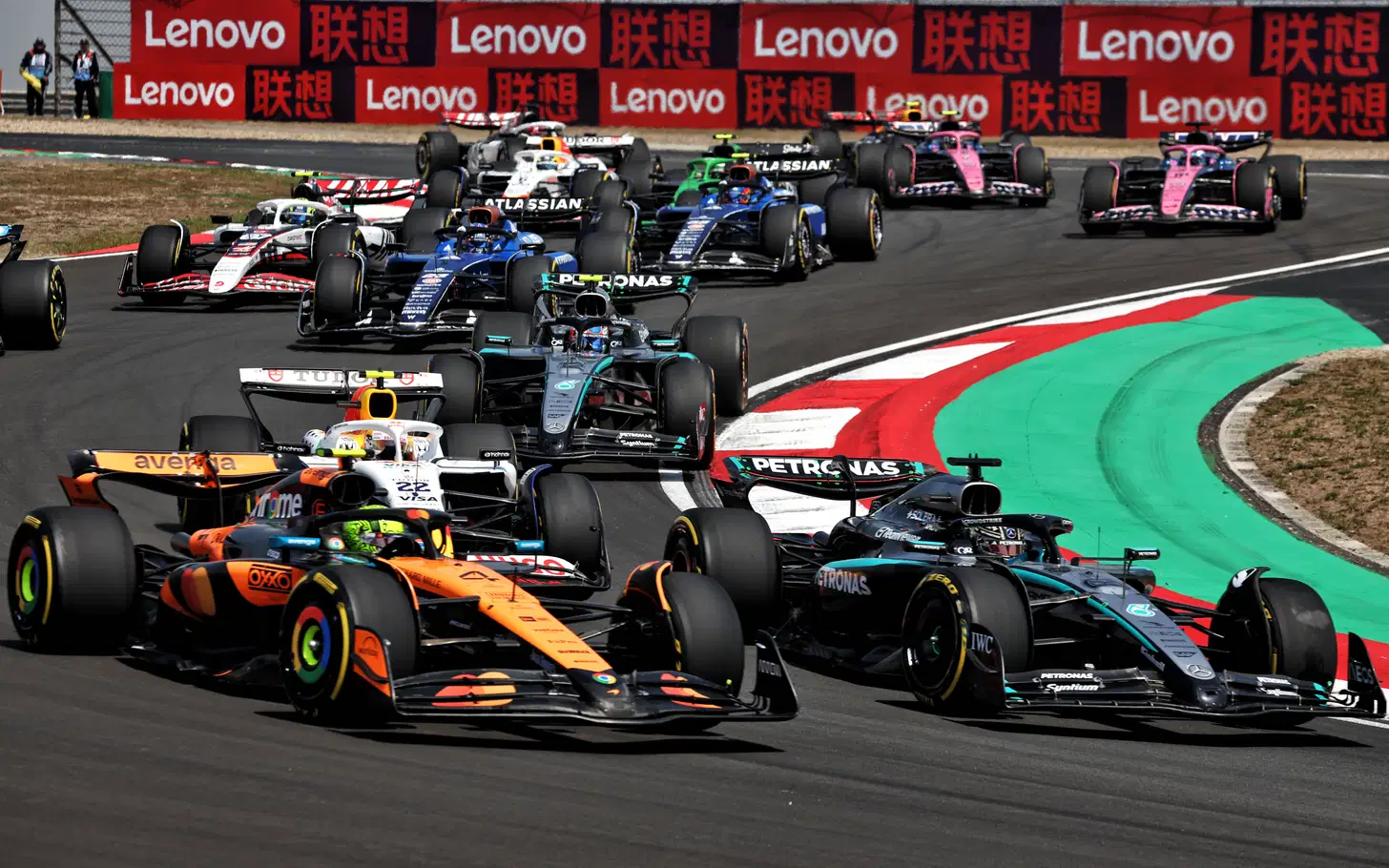
The situation unfolded during the SQ2 phase of Sprint Qualifying at the Shanghai International Circuit. Antonelli had just exited the pit lane and was rejoining the circuit when Norris approached Turn 1 at speed. At the time, the McLaren driver appeared to be beginning a fast run, which led to an immediate reaction over team radio as he expressed frustration at encountering the Mercedes on track.
Norris initially suggested that Antonelli had impeded him as he attempted to start a competitive lap. Because incidents involving potential obstruction during qualifying can have a major influence on the outcome of a session, the matter was promptly referred to the race stewards for further review.
Following standard procedure, the stewards launched a detailed investigation into the circumstances surrounding the incident. The review process included meetings with both drivers and representatives from their respective teams. Officials also examined multiple forms of evidence, including trackside video footage, onboard camera recordings, telemetry data, and radio communications between drivers and their engineers.
These various pieces of evidence were carefully analysed to determine whether Antonelli’s actions met the criteria for “unnecessary impeding” under Formula 1’s sporting regulations.
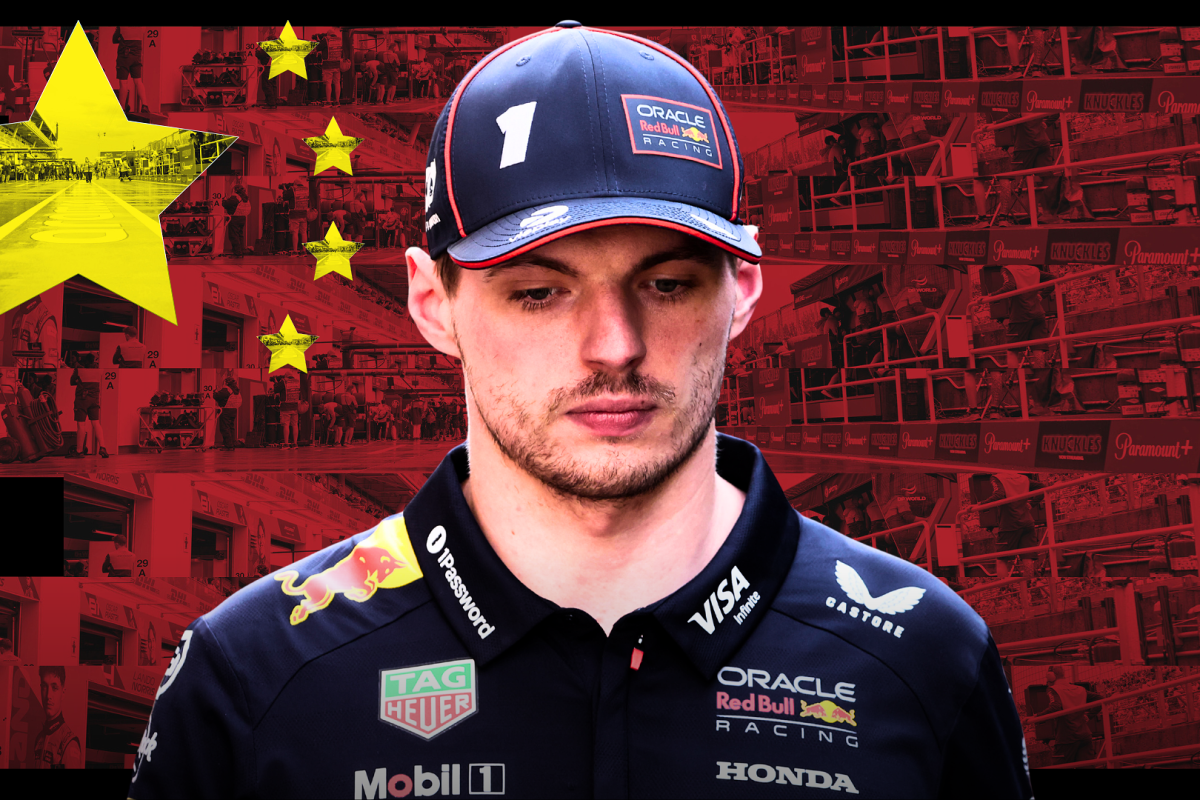
A key moment in the investigation came when Norris clarified the nature of the lap he was on at the time of the encounter. During his discussion with the stewards, the reigning world champion explained that he was not actually on a timed flying lap when he approached the Mercedes.
Instead, Norris stated that he was completing what he described as a “pushing warm-up lap.” In Formula 1, drivers often push relatively hard during such laps in order to bring their tyres into the correct operating window and prepare the car for the start of a genuine timed attempt.
Although these preparation laps can appear very similar to a full-speed qualifying run, they are not considered official attempts to set a lap time. As a result, the sporting regulations treat incidents differently depending on whether a driver is on a push lap or simply preparing for one.
After evaluating Norris’s explanation alongside the available telemetry and video data, the stewards concluded that Antonelli had not impeded a driver who was on a competitive lap. Because Norris had not yet begun an official flying lap, the stewards determined that the threshold required for a penalty had not been met.
In their official statement, the stewards emphasised that the distinction between a warm-up lap and a push lap played a decisive role in the outcome of the case. They acknowledged that if Norris had been on a genuine timed lap when Antonelli exited the pit lane and joined the racing line, the situation would likely have been judged differently.
Under those circumstances, the Mercedes driver could have been found guilty of unnecessary impeding and may have received a grid penalty for the Sprint race or the main Grand Prix.
The verdict therefore comes as a major relief for Antonelli, who continues his rookie season with Mercedes under significant scrutiny. Avoiding a penalty ensures that the young Italian driver can retain his qualifying position and maintain the strong performance he and the team have demonstrated throughout the Shanghai weekend.
For Mercedes, the outcome means their impressive pace during Sprint Qualifying remains intact without any disciplinary setback. At the same time, the incident highlights just how narrow the margins can be during modern Formula 1 qualifying sessions.
With multiple cars on track simultaneously, drivers pushing for tyre preparation, and teams carefully managing traffic, even small misunderstandings about track position can quickly trigger investigations. The situation in Shanghai ultimately served as another example of how crucial precise definitions and context are when applying Formula 1’s sporting regulations.