FIA Breaks Silence as Pressure Mounts Over Explosive F1 Engine Row
The FIA has issued a carefully worded statement as Formula 1’s paddock becomes increasingly tense over a fresh technical controversy surrounding the sport’s next-generation power units.
With sweeping new regulations set to reshape both engines and chassis in 2026, questions have emerged over whether two of the sport’s most powerful teams — Mercedes and Red Bull — have independently uncovered a potential loophole that could hand them a significant early advantage.
At the heart of the dispute lies the compression ratio of the internal combustion engines that will form part of the new hybrid power units. Under the revised rules, introduced to level the playing field and encourage new manufacturers, the FIA has capped the compression ratio at 16:1. This restriction was designed to limit costs, curb extreme performance gains, and ensure competitive balance as Formula 1 enters a new technical era.
However, paddock rumours suggest that both Mercedes and Red Bull may have engineered solutions that effectively allow their engines to operate at an equivalent compression ratio of 18:1 — the upper limit permitted under the outgoing regulations. While details of the alleged innovation remain closely guarded, the speculation alone has been enough to set alarm bells ringing among rival manufacturers.
Compression ratio is a critical performance factor in engine design. In simple terms, it refers to the difference in volume within an engine cylinder when the piston is at the bottom of its stroke compared to the top. The higher the ratio, the more efficiently fuel can be combusted — and the more power the engine can produce. Even small gains in this area can translate into a substantial on-track advantage.
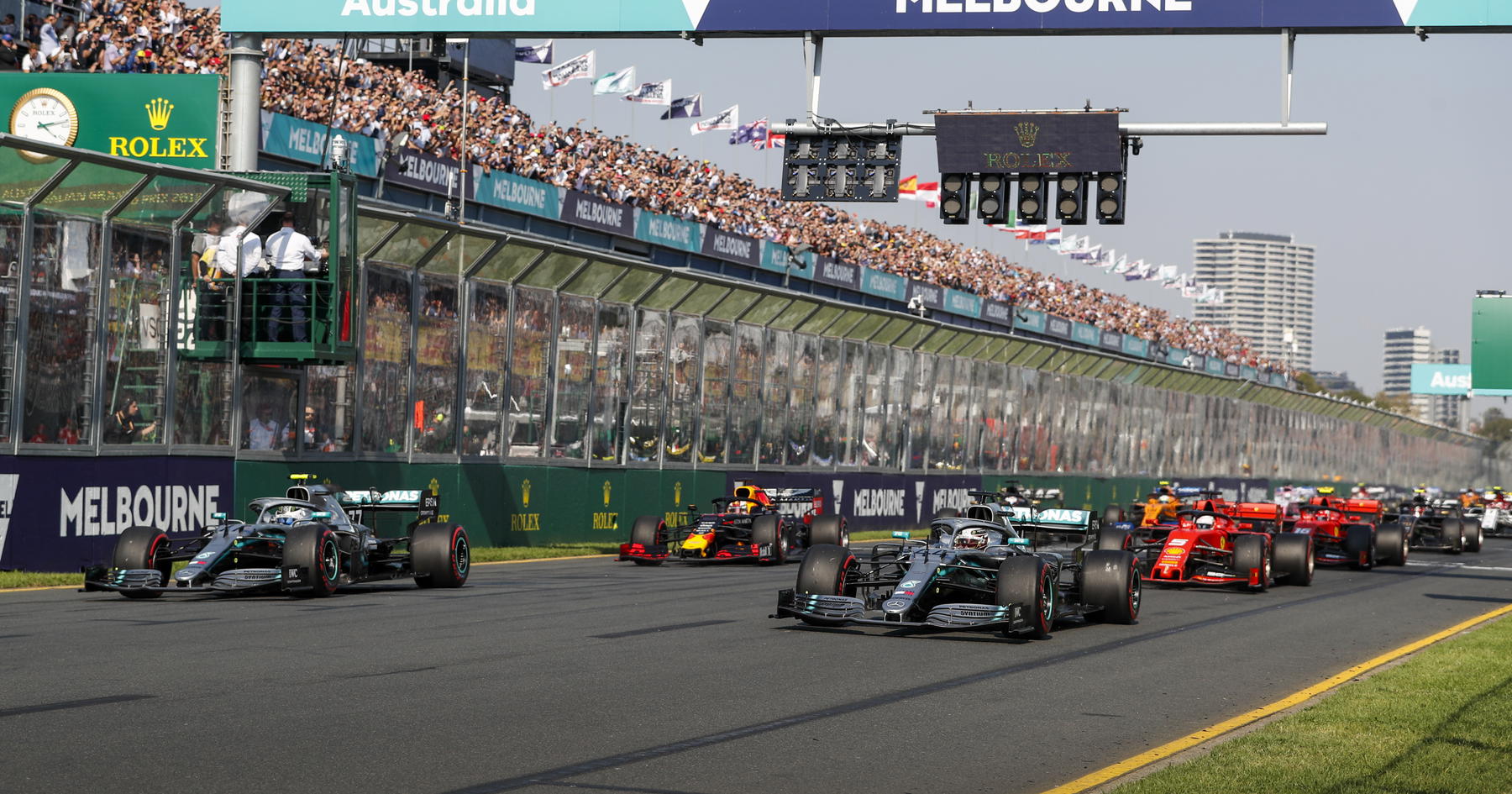
According to sources within the paddock, the suspected workaround could be worth as much as 15 brake horsepower. On a circuit like Melbourne’s Albert Park — host of the 2026 season-opening Australian Grand Prix — that gain could equate to roughly three-tenths of a second per lap. In modern Formula 1, such a margin can be the difference between pole position and the midfield.
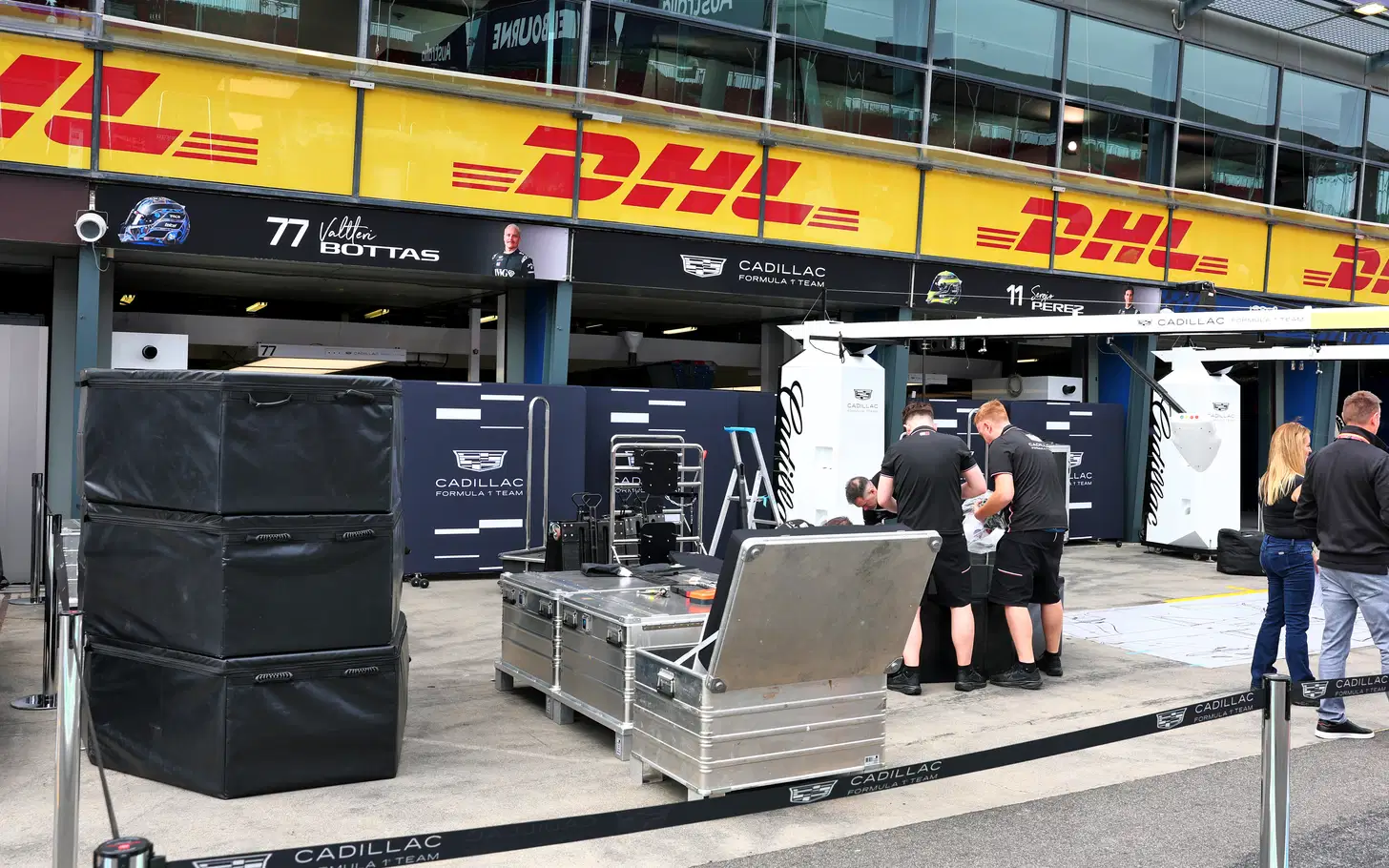
Unsurprisingly, rival manufacturers are said to be deeply uneasy. Ferrari, which will also supply power units to Haas and the incoming Cadillac team, is understood to be closely monitoring developments. Audi, preparing for its full factory entry, and Honda, returning as a works partner, are also believed to be unhappy with the situation and eager for clarity.
While no formal protest has yet been submitted, the growing discontent has prompted the FIA to call a high-level meeting between power unit manufacturers and governing body officials. The meeting, scheduled for January 22, is expected to bring together technical experts from all sides in an attempt to resolve the issue before it escalates further.
Reports suggest the gathering is not intended as a disciplinary hearing but rather as a forum to align interpretations of the regulations. With the 2026 rules still relatively fresh, differing readings of the technical wording are not unusual — but the stakes in this case are particularly high.
In response to mounting speculation, an FIA spokesperson issued a statement to RacingNews365, seeking to cool tensions while reaffirming the governing body’s oversight role.
“As is customary with the introduction of new regulations, discussions on the 2026 iteration covering power unit and chassis are ongoing,” the spokesperson said. “The meeting planned for 22 January is between technical experts. As always, the FIA assesses the situation in order to make sure the Regulations are understood and applied in the same manner between all the participants.”
The statement stops short of confirming whether any team has breached, or even bent, the rules. Instead, it highlights the FIA’s intent to ensure consistent interpretation across the grid — a subtle but important distinction.
For now, Mercedes and Red Bull have remained silent on the matter, declining to publicly address the rumours. Both teams have a long history of pushing technical boundaries within the letter of the law, and any suggestion of innovation inevitably draws scrutiny from rivals.
As Formula 1 edges closer to one of the most dramatic regulatory resets in its history, this latest controversy underlines just how fiercely teams are fighting for early supremacy. Whether the compression ratio debate proves to be a storm in a teacup or the opening salvo in a prolonged technical battle will likely become clearer after the January 22 meeting.
One thing, however, is already certain: the road to the 2026 season has begun — and it’s anything but quiet.