FIA Open to F1 Rule Tweaks After Max Verstappen’s Blunt 2026 Car Criticism
The FIA has admitted it could make further refinements to Formula 1’s sweeping 2026 regulations following outspoken criticism from reigning world champion Max Verstappen.
As the sport prepares to usher in a radically different technical era next season, FIA Single-Seater Director Nikolas Tombazis has confirmed that the governing body is listening closely to feedback from drivers, teams, and power unit manufacturers — and is prepared to act if necessary.
The 2026 rules package represents one of the biggest overhauls in modern F1 history. The cars will feature a stronger emphasis on electrical power deployment, revised aerodynamics, and tighter energy management systems. While the changes are aimed at improving efficiency and sustainability, they have sparked concerns about performance and the overall spectacle.
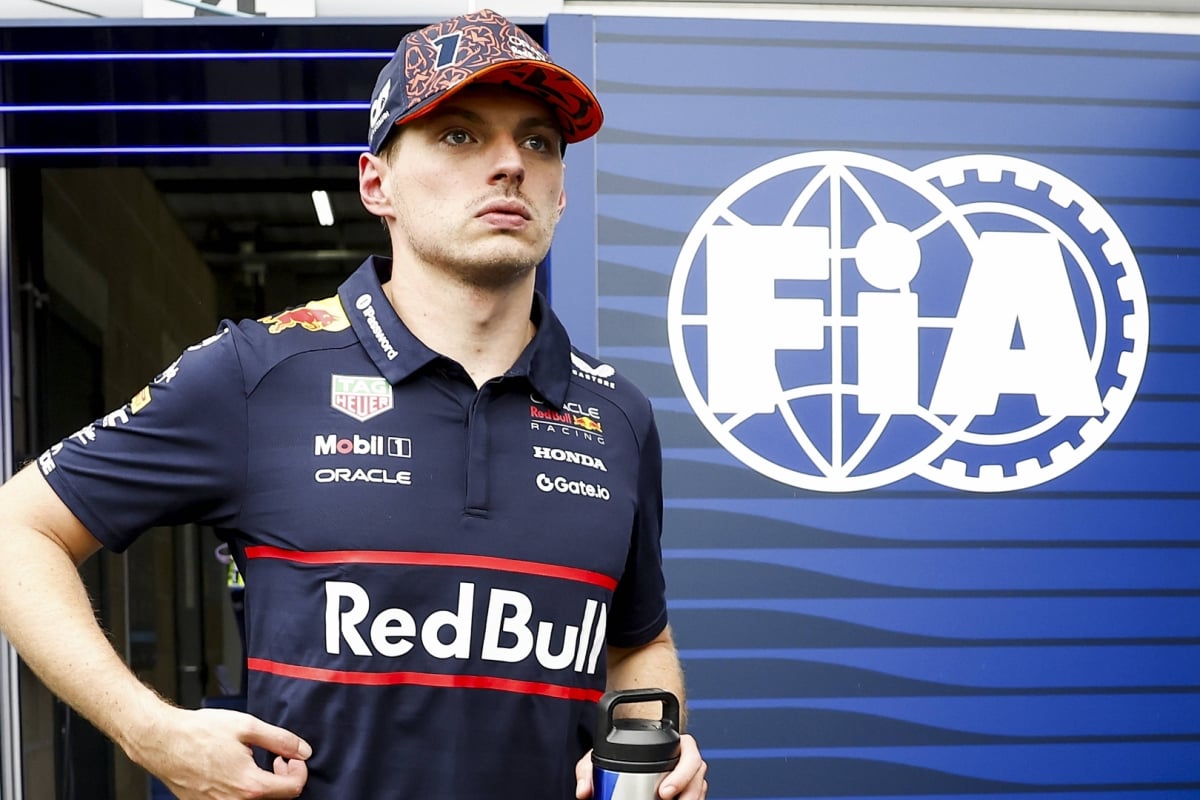
Verstappen has emerged as the most prominent critic of the new-generation machinery. The Dutch driver has suggested that the cars risk feeling less dynamic and more comparable to Formula E, a championship built around energy conservation and electric power strategies. His comments reflect a broader unease within parts of the paddock that the new regulations may dilute the aggressive, flat-out nature traditionally associated with Formula 1.
Under the current projections, the 2026 cars are expected to be a few seconds per lap slower than their predecessors. Energy management is set to play a far more decisive role during races — a shift that has not always been popular among fans who prefer the visceral intensity of high-speed battles and minimal lift-and-coast tactics.
However, Tombazis has stressed that the situation is evolving. Speaking ahead of the season-opening round in Melbourne, he explained that early reactions during the simulator phase last year were significantly more negative than more recent real-world impressions.
“The cars are new,” Tombazis said. “Last summer and autumn, many drivers spent time in the simulators and expressed serious concerns. But feedback from track running in places like Barcelona and Bahrain has been noticeably more positive compared to those early simulator reactions.”
Despite that improvement, he acknowledged that certain criticisms — including those voiced by Verstappen — cannot be ignored.
Tombazis emphasized that the FIA has maintained open lines of communication with all stakeholders throughout the regulatory transition. He confirmed that discussions about possible refinements are already taking place, although he downplayed the likelihood of dramatic changes.
“We are completely conscious that we may need to make adjustments,” he explained. “That has been part of the discussion for some time. We’ve been open with the teams, with the power unit manufacturers, and with the drivers. There are ways we can act as a sport to make certain tweaks.”
Importantly, Tombazis made clear that any modifications must follow F1’s formal governance procedures. The FIA cannot simply alter the rules overnight without proper consultation and approval from teams and relevant commissions.
“There is a process,” he added. “We can’t just wake up tomorrow and decide to change everything. Any amendments require proper agreement through the governance structure.”
One recent adjustment already demonstrates the FIA’s willingness to respond proactively. Ahead of the new season, the governing body introduced a rule clarification concerning engine compression measurements. Power units will now be checked at both ambient temperatures and at 130 degrees Celsius from June 1 onward. The move is widely seen as a direct countermeasure to a clever technical exploitation uncovered within the paddock — reportedly linked to Mercedes’ interpretation of the regulations.
By tightening that area of the rules before the championship begins, the FIA has signaled that it intends to close loopholes quickly while preserving competitive fairness.
Tombazis also highlighted the collaborative nature of the ongoing review process. Drivers are being asked targeted questions about drivability, racing feel, and performance characteristics. Teams and manufacturers, meanwhile, have reportedly engaged in constructive dialogue about ensuring the new formula delivers both competitive racing and technological progress.
“We are taking the drivers’ comments seriously,” he said. “We’re asking for detailed feedback, and the teams and power unit manufacturers have been very constructive.”
While the governing body believes it is broadly on the right path, Tombazis admitted that the regulations seen today may not be exactly the same in a few months’ time.
“I don’t think we are exactly where we’re going to be in a few months from now,” he concluded. “We may have to make some adjustments. But honestly, I don’t believe the changes required are huge.”
With the 2026 season fast approaching, the balance between innovation and entertainment remains delicate. As F1 moves deeper into its hybrid-electric future, the FIA appears determined to ensure that progress does not come at the expense of the spectacle that defines the sport.