F1 Teams and FIA Locked in Urgent Talks Over Potential Mercedes Power Unit Edge
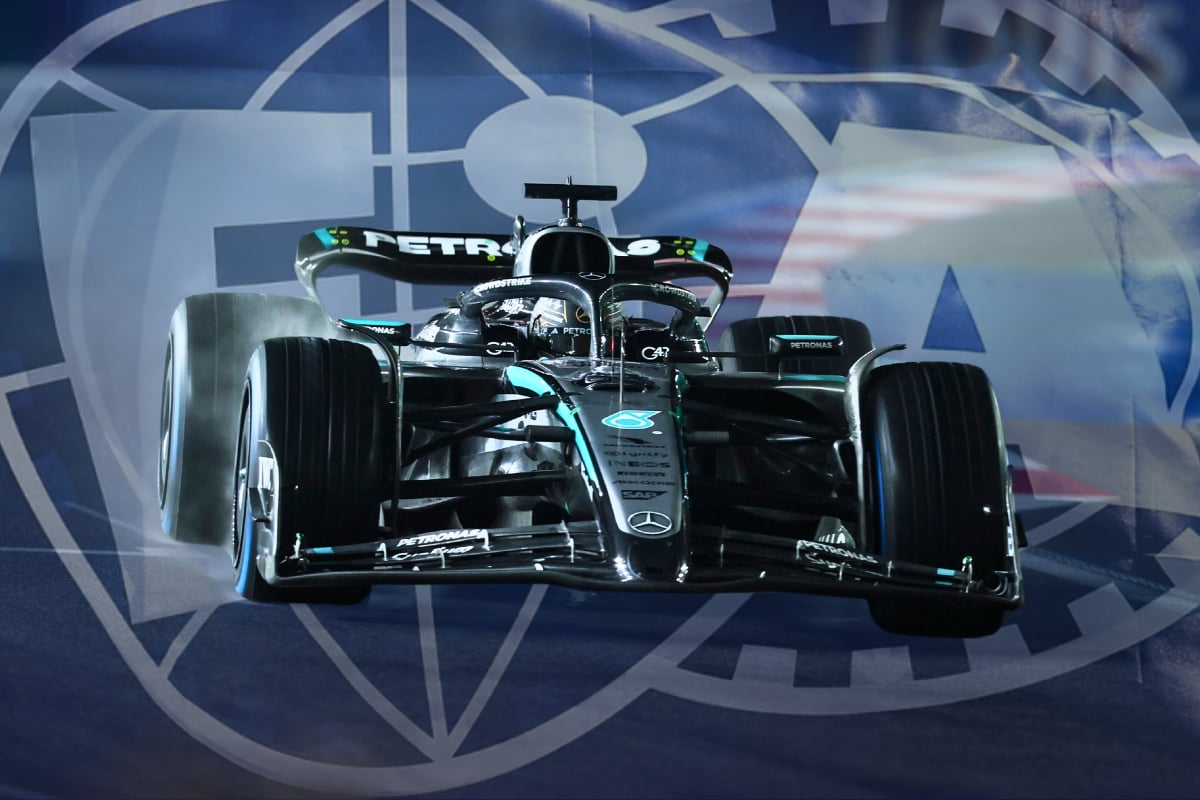
Formula 1 teams and the FIA are set to hold high-level discussions on Thursday amid growing concerns that Mercedes may have uncovered a significant loophole in the 2026 power unit regulations — one that could deliver a substantial on-track advantage before the new era has even begun.
The 2026 season will usher in one of the most dramatic regulatory resets in Formula 1 history. Both chassis and power unit rules are being overhauled, with the aim of improving sustainability, increasing electrical power usage, and tightening competition across the grid. However, as has often been the case in F1, the complexity of the new regulations appears to have opened the door to interpretation — and potentially exploitation.
At the centre of the controversy is the compression ratio of the internal combustion engine. Under the new rules, the FIA mandated a reduction in the maximum compression ratio from 18:1 to 16:1, a change designed to balance performance and efficiency while keeping manufacturers on a relatively even playing field.
However, recent reports suggest that Mercedes — and possibly Red Bull Powertrains — have identified a way to effectively restore the compression ratio to 18:1 once the engine reaches full operating temperature, while still remaining compliant with the written regulations. This alleged workaround has raised alarm bells among rival manufacturers, who fear it could translate into a meaningful performance gain.
According to The Times, the issue came to light following staff movements between teams, with engineers leaving Mercedes to join Red Bull. This reportedly triggered concerns that similar concepts may now exist across multiple power unit programmes, though it remains unclear whether both manufacturers are using identical solutions or different interpretations of the same regulatory grey area.
The potential competitive impact is significant. Industry estimates suggest that the higher compression ratio could be worth as much as three tenths of a second per lap — a margin that would be decisive under the tightly matched conditions expected in 2026. Ferrari, Honda, and Audi are all believed to be deeply concerned that they could begin the new regulations at a disadvantage they cannot realistically recover from in the short term.
Thursday’s meeting between the FIA and the teams will focus on this issue, alongside other unresolved technical questions related to the upcoming regulations. One of the key challenges facing the governing body is enforcement. While the rules specify a compression ratio limit, current FIA measurement methods reportedly assess the ratio at ambient or static conditions, rather than when the engine is operating at full temperature and load.
This has created a regulatory blind spot. Even if teams are effectively exceeding the intended limit during racing conditions, the FIA may not currently have the tools or procedures in place to detect or prove it. As a result, any solution would likely require either new measurement techniques or a clarification — or rewrite — of the regulations themselves.
Despite the urgency of the talks, expectations are low that Thursday’s meeting will deliver an immediate resolution. Any mid-cycle rule change risks triggering political backlash, particularly if Mercedes and Red Bull can credibly argue that their designs comply fully with the wording of the regulations as they stand.
Crucially, because the engines are believed to be legal under current rules, the FIA may struggle to justify an outright ban. This also leaves rival teams in a difficult position. Without definitive evidence of illegality, any protest lodged with the stewards — particularly at the season-opening Australian Grand Prix in Melbourne — would be unlikely to succeed.
The situation echoes previous technical controversies in Formula 1, where innovation has raced ahead of regulation. Historically, such disputes have often been resolved only after months of debate, clarification, or politically negotiated compromises — sometimes well into the season.
With the 2026 power unit freeze looming and massive financial and competitive stakes involved, the pressure on the FIA to act decisively — yet fairly — is intense. For now, uncertainty remains over whether the governing body can close the loophole before it reshapes the competitive order of Formula 1’s next era.
As teams continue development under a cloud of doubt, Thursday’s meeting may not end the controversy — but it could define the first major battle of Formula 1’s 2026 revolution.