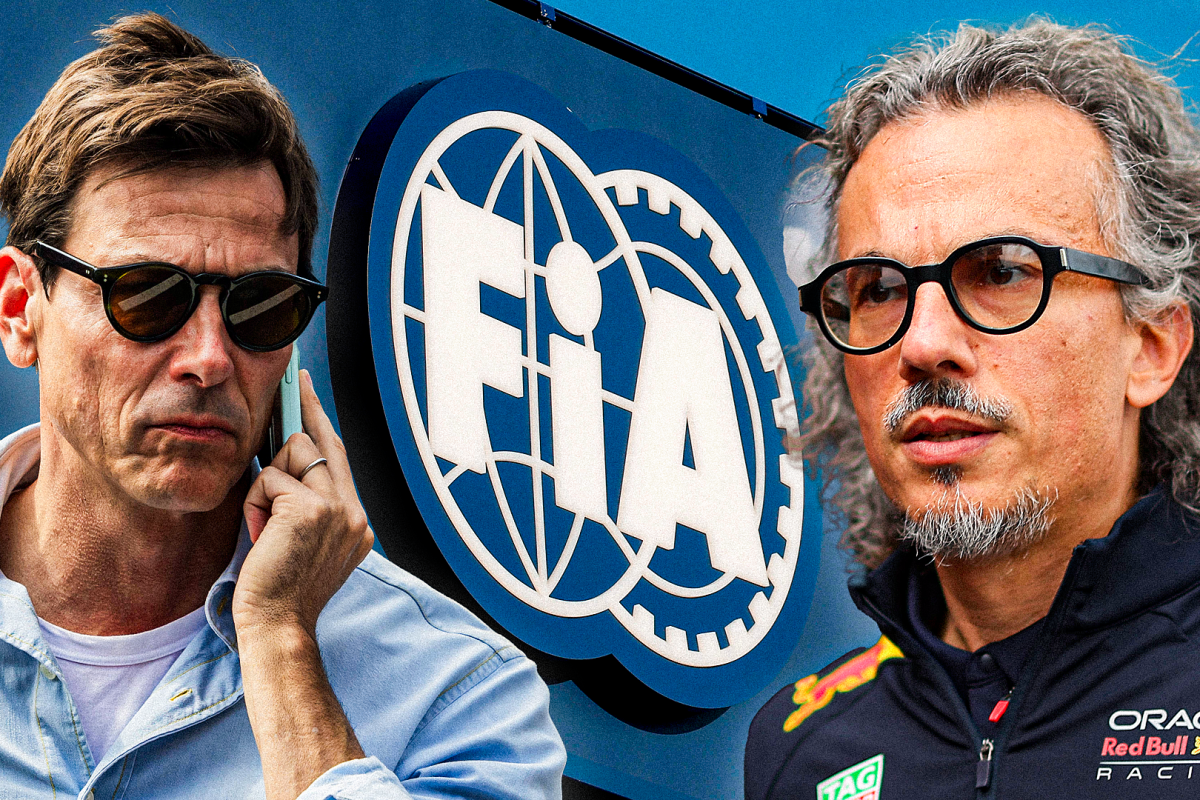
FIA Confirms Key 2026 Meeting Amid Growing Mercedes and Red Bull Regulation Concerns
The FIA has officially confirmed that a high-level technical meeting will take place ahead of the 2026 Formula 1 season, following increasing speculation that Mercedes and Red Bull may have identified a potentially controversial loophole in the sport’s upcoming power unit regulations.
Both teams have dominated off-season discussion after reports emerged suggesting they had discovered an innovative interpretation of the new engine rules that could deliver a significant competitive advantage. The alleged loophole centres on changes to geometric compression ratios, a crucial parameter within the internal combustion engine regulations set to be revised for the 2026 campaign.
Under the new framework, the permitted geometric compression ratio is being reduced from the current 18:1 to 16:1. However, reports from German media claim that Mercedes and Red Bull have explored a concept that allows the compression ratio to comply with the 16:1 limit when the car is static, but dynamically increase toward the previous 18:1 threshold during operation on track.
If proven viable and legal, such a design could offer notable gains in efficiency and performance — a prospect that has understandably raised alarm among rival manufacturers.
Rival Teams Push for FIA Clarity
According to the same reports, the remaining power unit suppliers on the grid have already sought clarification from the FIA, urging the governing body to clearly define the limits of what is and is not permissible under the new regulations. These concerns come amid an already intense development race as teams prepare for what is widely regarded as the most radical technical overhaul in F1’s modern history.
The FIA has previously acted to close a separate regulatory grey area relating to fuel-flow meters, reinforcing the impression that the governing body is determined to avoid any team exploiting ambiguities ahead of 2026.
Now, the FIA has confirmed to Motorsport.com that a technical meeting is scheduled for January 22, where the issue of geometric compression ratios — and any associated loopholes — will be formally discussed. While the meeting had been on the calendar for some time, the governing body has acknowledged that the subject will form part of the agenda.
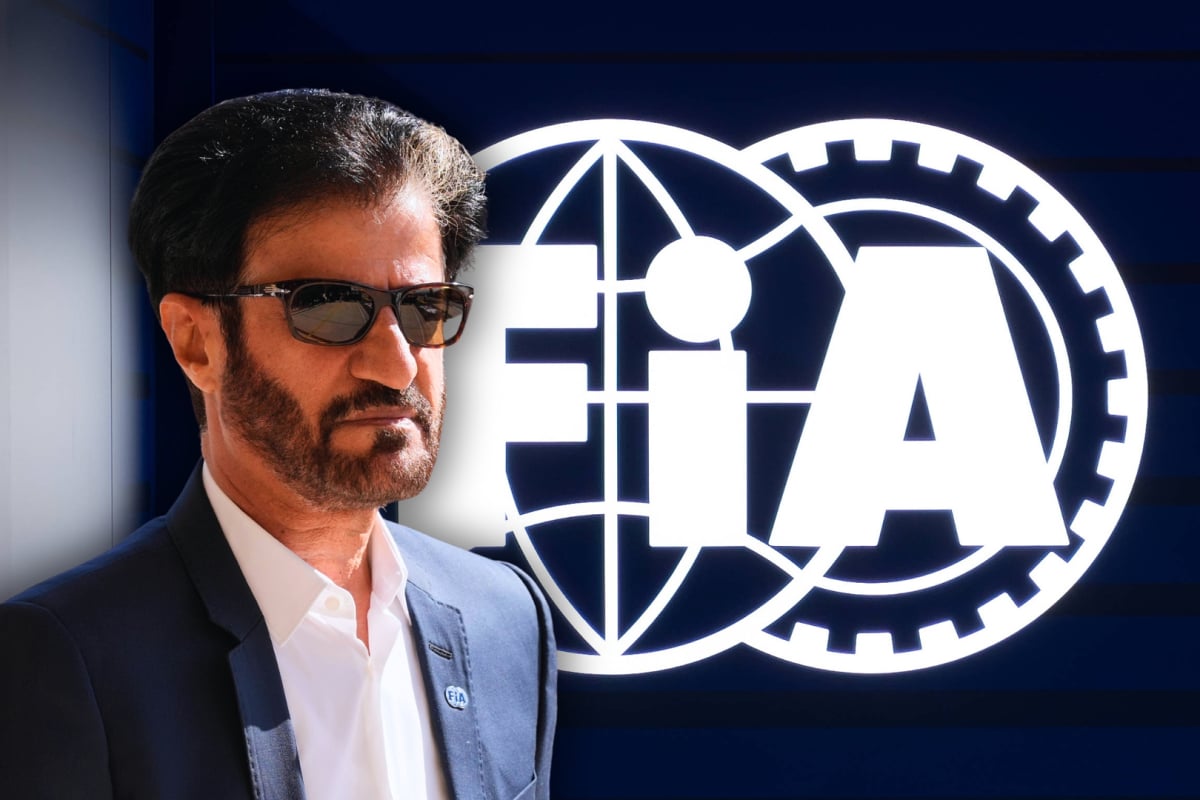
An FIA spokesperson stressed that the purpose of the meeting is not to single out any particular team, but to ensure uniform interpretation of the rules across the grid.
“As is customary with the introduction of new regulations, discussions on the 2026 iteration covering power unit and chassis are ongoing,” the spokesperson said.
“The meeting planned for 22 January is between technical experts. As always, the FIA assesses the situation in order to make sure the regulations are understood and applied in the same manner between all the participants.”
The FIA also noted that the meeting will primarily address broader topics, including the new chassis regulations, with the compression ratio debate forming part of a wider technical review.
No Immediate Ban — But Stakes Are High
While speculation of a potential ban has captured headlines, there is currently no indication that Mercedes or Red Bull face immediate sanctions. Any ruling is expected to focus on clarification or refinement of the rules rather than punishment, particularly as no cars have yet raced under the 2026 regulations.
Nevertheless, with the margins in modern F1 measured in thousandths of a second, even a small regulatory advantage could prove decisive — especially in the early years of the new formula.
What’s Changing for 2026 Power Units?
Beyond the controversy, the 2026 power unit regulations represent one of the most exciting evolutions in Formula 1 history. The sport will retain the 1.6-litre V6 turbo architecture but introduce a dramatically increased reliance on electrical energy.
From 2026, power output will be split evenly between the internal combustion engine and electric systems, with electrical power effectively tripled compared to current levels. This shift reflects F1’s long-term sustainability strategy and its commitment to achieving carbon neutrality by 2030.
The internal combustion engine will run exclusively on 100 per cent sustainable fuels, a major technological milestone for both the sport and the wider automotive industry.
Another significant change is the removal of the MGU-H, simplifying the hybrid system while placing greater importance on energy management elsewhere. The Energy Recovery System (ERS) will be capable of harvesting twice as much energy per lap compared to 2025, demanding new approaches to power deployment and race strategy.
Audi’s Early Signal of Intent
Adding to the anticipation, Audi recently became the first manufacturer to run a 2026-spec car on track. Social media reaction to the sound of the new power unit was overwhelmingly positive, with fans noting a more aggressive and distinctive engine note — a welcome development amid ongoing debates about F1’s hybrid era.
As the countdown to 2026 continues, the January 22 meeting could prove pivotal in shaping the competitive landscape of the next generation of Formula 1. Whether the FIA chooses to tighten the wording of the regulations or allow innovative interpretations to stand, one thing is clear: the fight for supremacy has already begun.