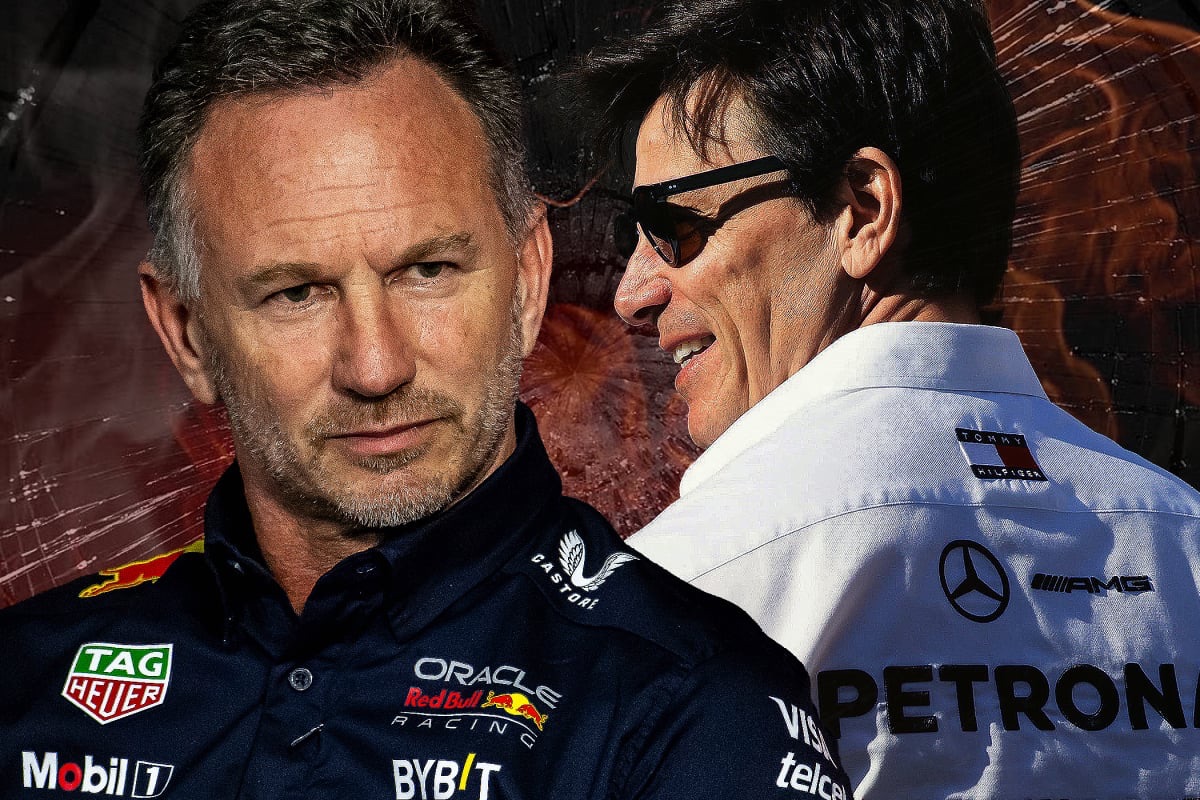
FIA Meeting Looms as Wolff Influence Could Derail Horner’s F1 Comeback
Christian Horner’s long-anticipated return to Formula 1 may face a major political roadblock, with an FIA meeting now confirmed and Mercedes boss Toto Wolff emerging as a potentially decisive figure in whether the former Red Bull chief re-enters the sport.
Horner, who was dismissed by Red Bull in July after an extraordinary 20-year reign as team principal, has been heavily linked with a comeback—most notably with Alpine. However, Austrian media reports suggest that any move back into the F1 paddock may not be straightforward, as Wolff could wield significant influence over the process.
The Briton remains one of the most successful team principals in modern Formula 1 history, having overseen Red Bull’s rise from midfield outfit to championship powerhouse. Under Horner’s leadership, Red Bull secured six constructors’ championships and helped shape one of the most dominant eras the sport has seen. His sudden departure last summer sent shockwaves through the paddock, immediately sparking speculation about where—and when—he might resurface.
Alpine initially appeared to be the most realistic destination. Horner has been linked not just with a management role at the Enstone-based team, but also with a potential partial ownership stake—an attractive prospect for a figure known to seek long-term influence rather than short-term appointments. However, earlier this week it emerged that Horner would be unable to complete any share acquisition at Alpine before at least September, due to an existing share sale deadline.
That delay may prove costly, as new complications continue to emerge.
According to Austrian outlet OE24, Wolff could play a pivotal role in deciding Horner’s fate, owing to Mercedes’ increasingly close ties with Alpine. From 2026, Alpine will switch to Mercedes power units following Renault’s confirmed withdrawal from Formula 1, strengthening the relationship between the two teams both technically and politically.
Wolff’s influence does not end there. He is also understood to have a strong personal relationship with Alpine executive advisor Flavio Briatore, adding another layer to the power dynamics surrounding Horner’s potential return. With the FIA set to hold discussions involving key stakeholders, Wolff’s stance could become decisive if objections are raised—particularly given his long-standing rivalry with Horner during their years at the front of the grid.
The Wolff–Horner feud was one of the defining off-track narratives of the previous decade, reaching its peak during the intensely controversial 2021 championship battle. While both men have since adopted more measured public tones, there is little doubt that tensions still linger beneath the surface.
Should the Alpine route collapse, Horner is unlikely to abandon ambitions of returning to Formula 1. Several alternative options remain on the table, though each comes with its own uncertainties.
Ferrari have been persistently linked with Horner, particularly amid growing pressure on current team principal Fred Vasseur. While Vasseur retains support internally, sources suggest his position could come under scrutiny if Ferrari fail to take a significant step forward under the 2026 regulations. Horner’s proven ability to build championship-winning structures makes him an appealing candidate should Maranello opt for a radical reset.
Meanwhile, Haas represent a more unexpected—but intriguing—possibility. The American outfit has quietly improved its competitiveness and operational stability in recent seasons, and Horner’s interest would likely hinge on gaining a stake in the team rather than assuming a traditional managerial role.
Haas team principal Ayao Komatsu confirmed last year that preliminary discussions had taken place with Horner, although those talks did not progress further at the time. Still, the door may not be fully closed, especially if ownership opportunities align with Horner’s long-term vision.
For now, Horner remains on the outside looking in, as Formula 1’s political machinery grinds into motion. With FIA meetings ahead, alliances being tested, and power structures shifting in preparation for 2026, his return is no longer just a question of availability—but of influence.
Whether Christian Horner can navigate the complex web of rivalries, partnerships, and personal relationships to reclaim a place on the pit wall remains one of the most compelling off-track stories in the sport today.