Shock Calendar Shake-Up: F1 Forced to Cancel Two Grands Prix as Global Crisis Hits 2026 Season
Formula 1 has officially confirmed a dramatic change to the 2026 race calendar following the cancellation of the Bahrain Grand Prix and the Saudi Arabian Grand Prix. The decision, announced jointly by Formula One and the Fédération Internationale de l’Automobile (FIA), comes after escalating tensions in the Middle East made it impossible for the races to proceed as originally scheduled.
The two events, which were set to take place in April at the Bahrain International Circuit in Sakhir and the Jeddah Corniche Circuit in Jeddah, have been officially removed from the calendar. Organizers cited the rapidly worsening geopolitical situation in the region as the main reason behind the decision.
Middle East Conflict Forces F1 Action
The cancellations follow a major escalation in tensions between the United States, Israel, and Iran. Military actions and retaliatory strikes have heightened security concerns across the region, forcing Formula 1 to reconsider the feasibility of staging major international sporting events there.
According to the governing bodies, the races scheduled for the weekends of April 10–12 and April 17–19 “cannot go ahead in April.” While the wording technically leaves open the possibility that the races could be rescheduled later in the year, the reality of the packed Formula 1 schedule makes that extremely unlikely.
With an already crowded calendar and logistical challenges surrounding race organization, there is currently no available slot to accommodate either event later in the season.
2026 Calendar Reduced
As a result, the 2026 Formula 1 season will now feature 22 races instead of the originally planned 24. Neither cancelled event will be replaced by an alternative venue.
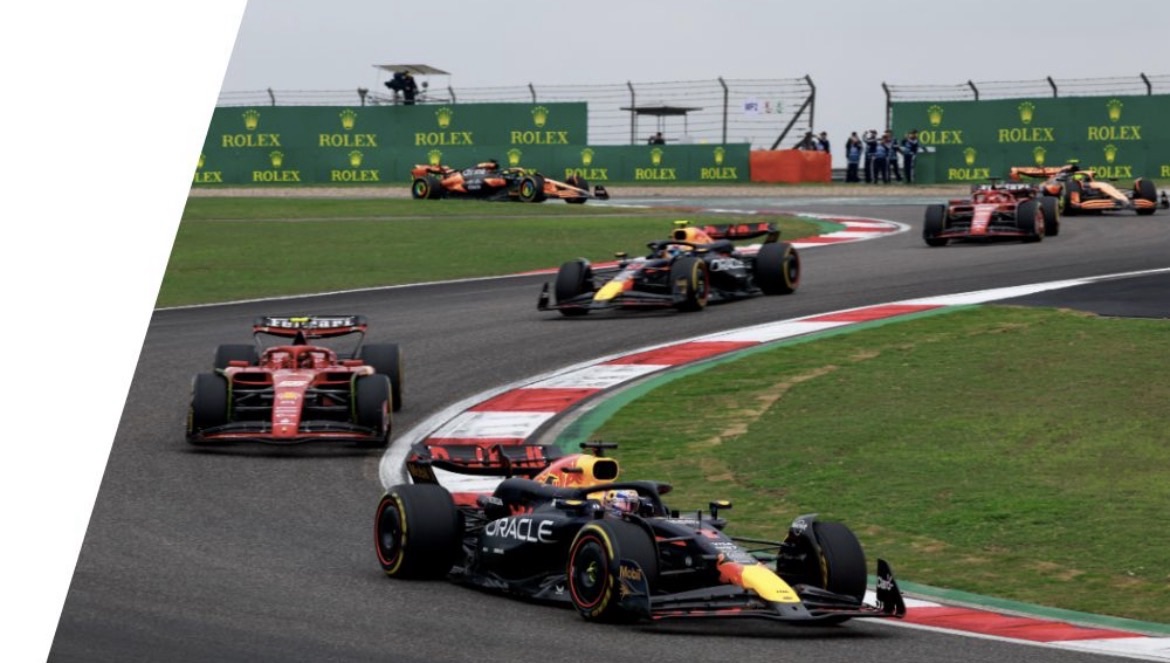
This means the championship schedule shrinks significantly after the dramatic 2026 Chinese Grand Prix, which recently concluded at the Shanghai International Circuit. That race marked the 1,151st grand prix in Formula 1 world championship history.
Despite the disruption, Formula 1 officials emphasized that safety remains the sport’s highest priority. Transporting thousands of team personnel, equipment, and fans into a potentially unstable region would present unacceptable risks.
Not the First Time F1 Has Cancelled Races
While rare, cancelled grands prix are not unprecedented in Formula 1 history. The sport has occasionally been forced to abandon events due to global crises, safety concerns, or political instability.
The first major wave of cancellations occurred in 1955 following the catastrophic 1955 Le Mans 24 Hours disaster. The tragedy shocked the motorsport world and prompted several Formula 1 races to be called off as safety fears intensified.
In response, the French Grand Prix, Swiss Grand Prix, Spanish Grand Prix, and German Grand Prix were all cancelled that season, dramatically shortening the championship schedule.
Political Crisis Also Impacted F1
Just a few years later, Formula 1 again faced disruption due to geopolitical tensions during the Suez Crisis.
The crisis erupted after Egyptian president Gamal Abdel Nasser nationalized the Suez Canal, prompting military intervention attempts by the British and French governments. The conflict caused severe disruptions to global oil supplies and triggered a dramatic surge in fuel prices.
With travel and fuel costs soaring, Formula 1 teams struggled to afford participation in several races. As a result, both the Dutch Grand Prix and the Belgian Grand Prix were cancelled.
To compensate, organizers added a replacement race at the legendary Pescara Circuit in Italy. The track remains one of the most unusual venues in Formula 1 history, boasting an astonishing lap length of 15.8 miles, making it the longest circuit ever used in the world championship.
The crisis also had major political consequences. The fallout forced British Prime Minister Anthony Eden to resign from office, highlighting the global impact of the conflict.
Another Historic Disruption
The cancellations in 2026 serve as a reminder that even the world’s most prestigious racing series is not immune to global events.
While Formula 1 has expanded rapidly in recent years, with races spread across multiple continents, political and security realities can still reshape the sport’s carefully planned calendar.
For fans and teams alike, the removal of two races represents a significant shake-up. Yet with 22 events still remaining, the championship battle is expected to remain fiercely competitive as the season continues.