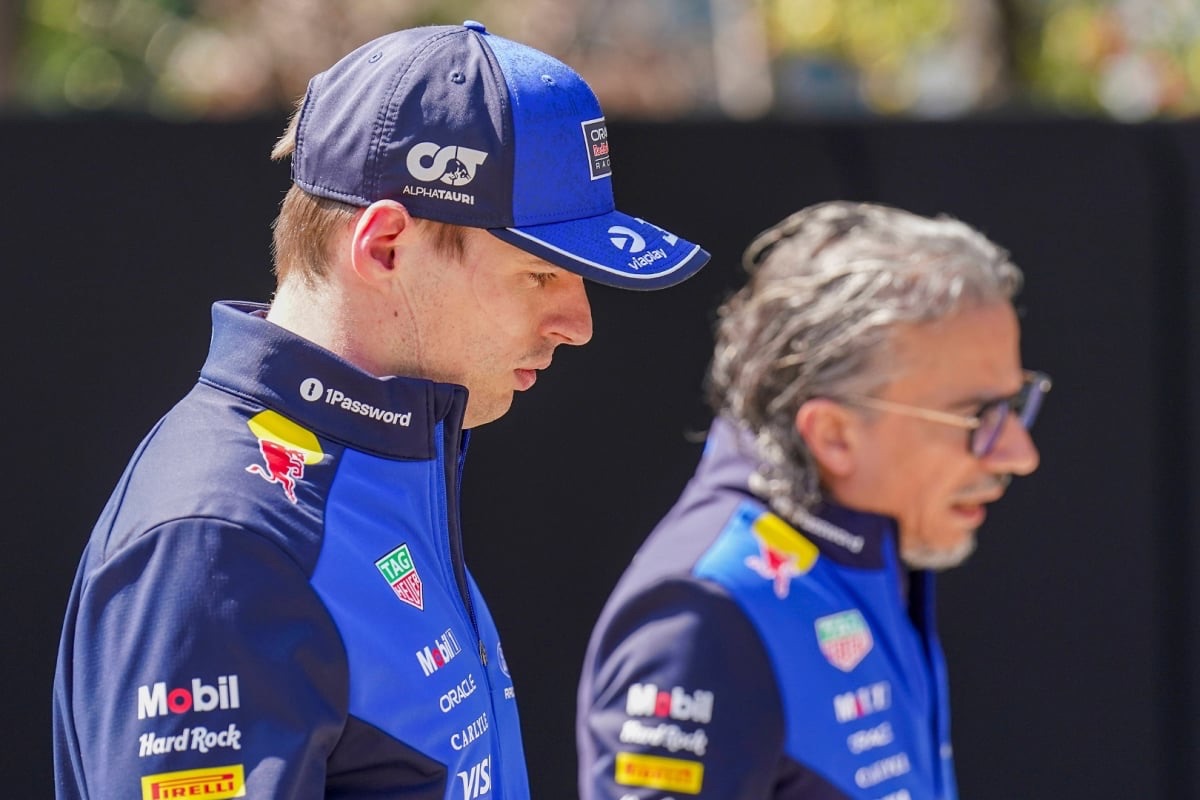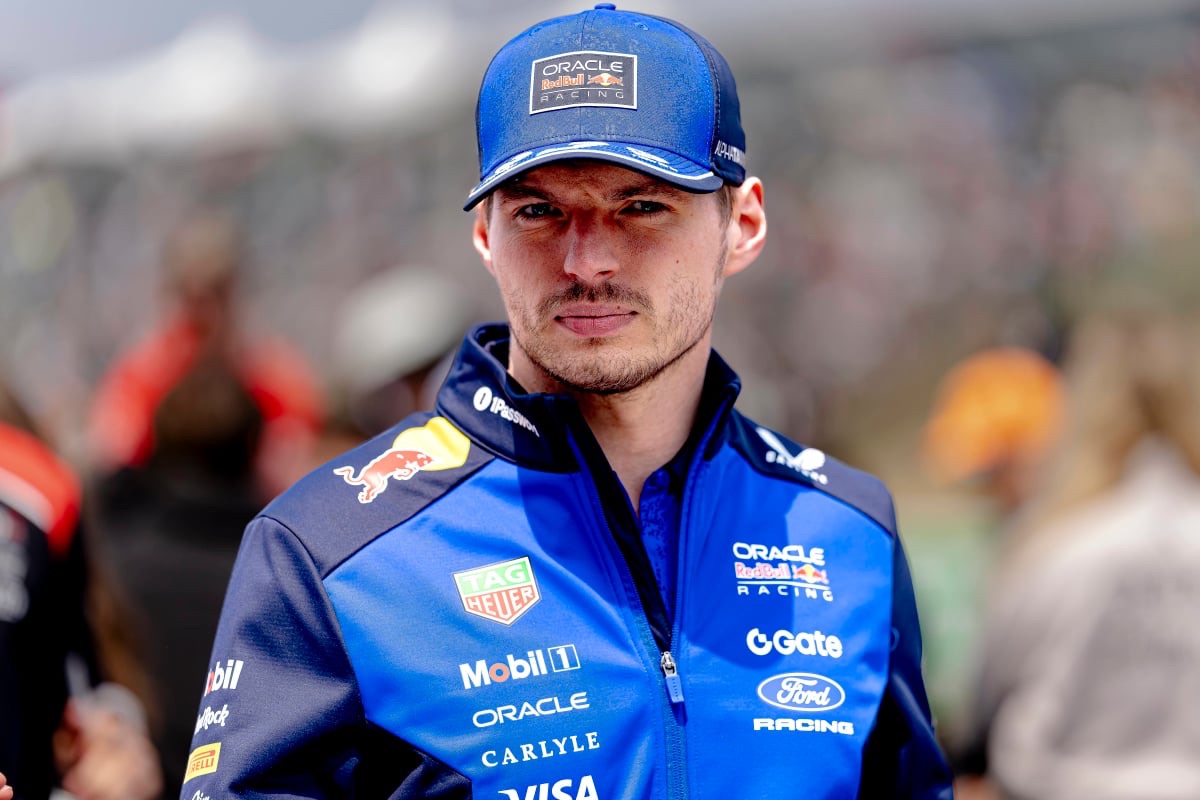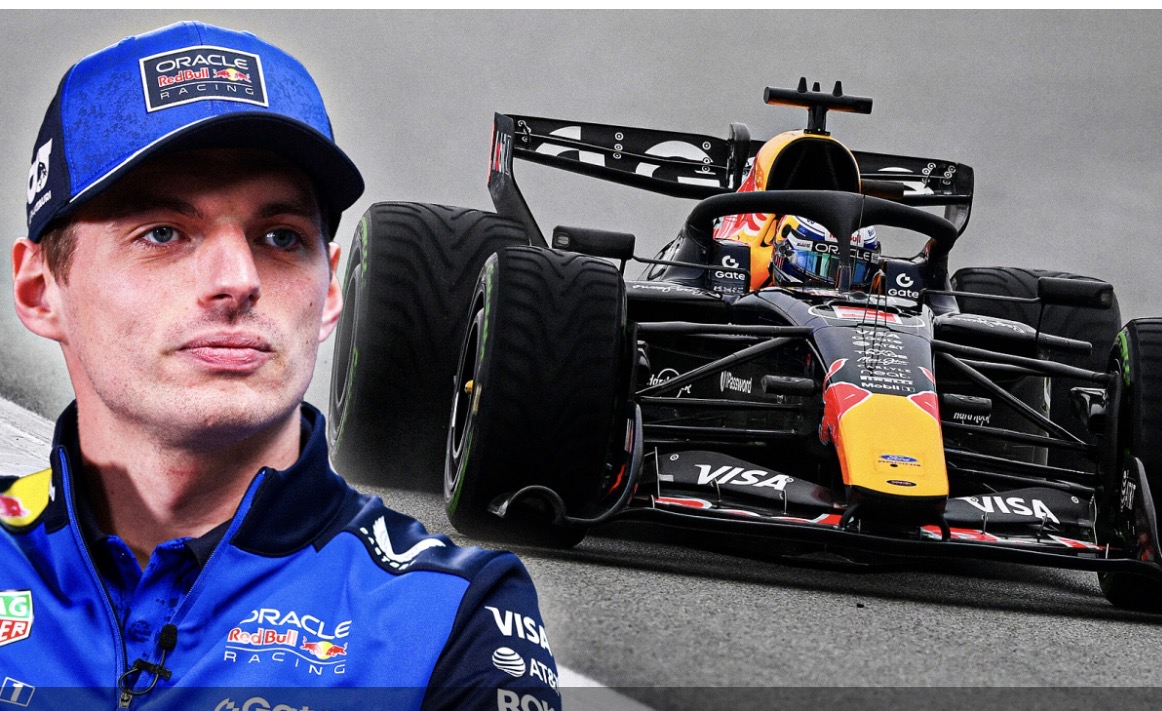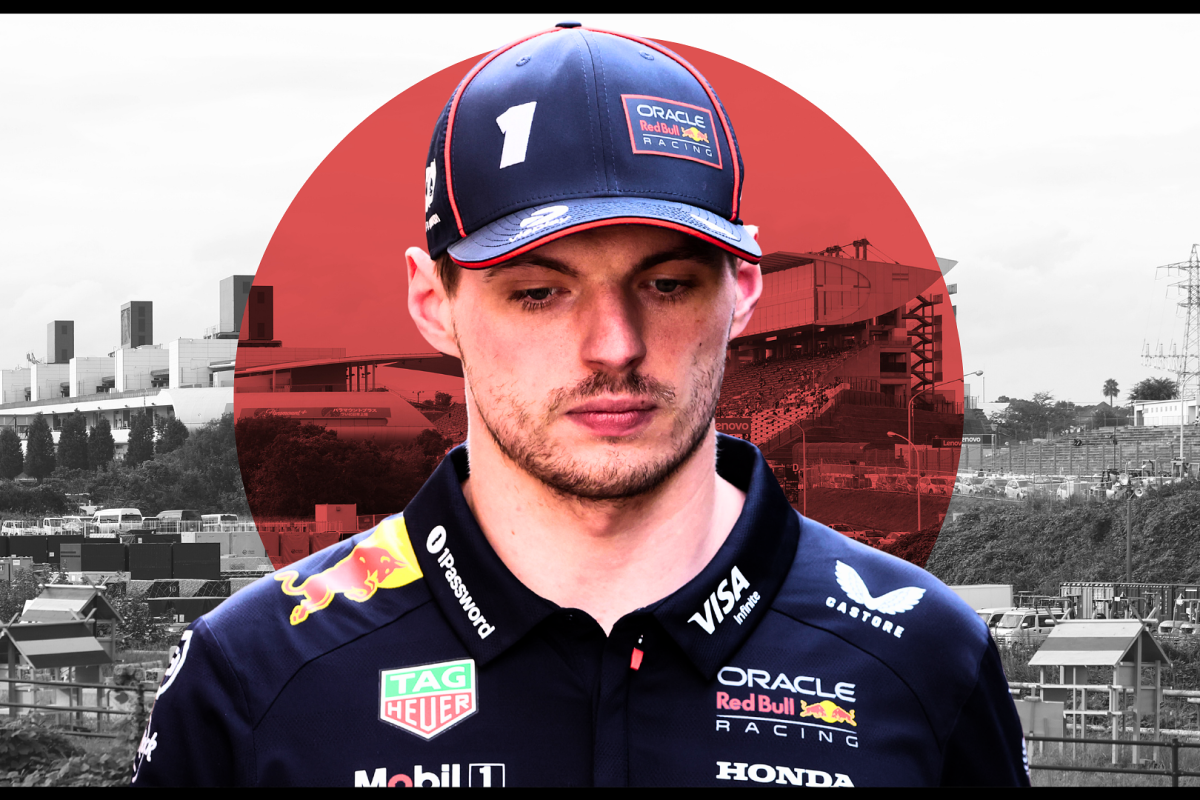
The Fédération Internationale de l’Automobile (FIA) has officially confirmed a series of upgrades introduced by Red Bull Racing ahead of the 2026 Japanese Grand Prix, as frustrations continue to mount for reigning world champion Max Verstappen.
Formula 1 returns to the iconic Suzuka International Racing Course for the third round of the season, but Red Bull arrive under pressure. Verstappen already finds himself trailing championship leader George Russell by a significant 43-point margin—an unusual position for the dominant force of recent years.
The Milton Keynes-based squad has endured a difficult start to the 2026 campaign, struggling with both performance deficits and reliability concerns. Verstappen’s race in China ended prematurely due to an ERS failure, while team-mate Isack Hadjar suffered an engine blowout during the season opener in Australia. These setbacks highlight the challenges Red Bull are facing as they adapt to a new era of power unit development under the latest regulations.
Verstappen has not hidden his dissatisfaction. The four-time world champion has been openly critical of the new rules, even describing them as a “joke” during the previous race weekend in China. His frustration spilled over again in Japan during media duties, where he reignited tensions with a journalist over a lingering disagreement stemming from last season’s Abu Dhabi Grand Prix.
In response to their early-season struggles, Red Bull have introduced a comprehensive package of upgrades for Suzuka. According to FIA documentation, the team has developed a revised sidepod inlet aimed at improving airflow efficiency and overall aerodynamic performance. This change has required modifications to both the engine cover and the floor of the car to ensure compatibility with the new design.
Additionally, Red Bull have implemented smaller adjustments to the rear wheel bodywork. These tweaks are specifically tailored to meet the high braking energy demands of the Suzuka circuit, a track known for its technical layout and demanding corners.
Despite Verstappen’s extraordinary performances in 2025—where he secured eight race victories and narrowly missed out on a fifth consecutive world title by just two points—the limitations of Red Bull’s machinery were already becoming apparent. His former team-mate, Yuki Tsunoda, managed only modest results throughout the season, underlining the car’s inconsistency.
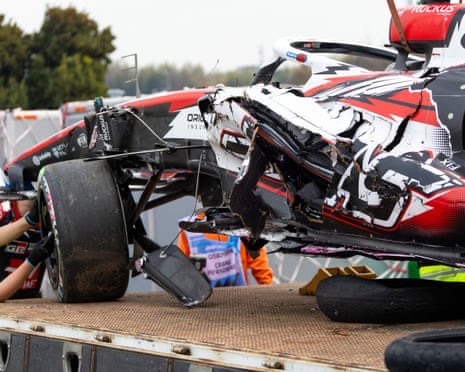
However, the situation appears to have worsened in 2026. The RB22 has yet to demonstrate the pace required to compete at the front of the grid. In China, Verstappen was running more than a lap behind the leaders before his retirement, and uncharacteristic mistakes have begun to creep into his performances. One of the most notable incidents came in Australia, where he crashed out in Q1—an extremely rare occurrence for the Dutch driver.
Even outside Formula 1, Verstappen’s fortunes have taken a hit. Competing in a recent endurance race at the Nürburgring Nordschleife, he initially crossed the line as a winner. However, he and his team were later disqualified for exceeding the permitted tyre usage, adding to what has been a frustrating start to the year.
With pressure building and rivals such as Mercedes and Ferrari showing stronger early form, the Japanese Grand Prix could prove to be a pivotal moment in Red Bull’s season. The effectiveness of their latest upgrades may determine whether Verstappen can mount a serious title challenge—or if 2026 will mark a rare year of struggle for the reigning champion.