FIA President Confirms Ongoing Assessment of Middle East F1 Races After Iran Missile Strikes
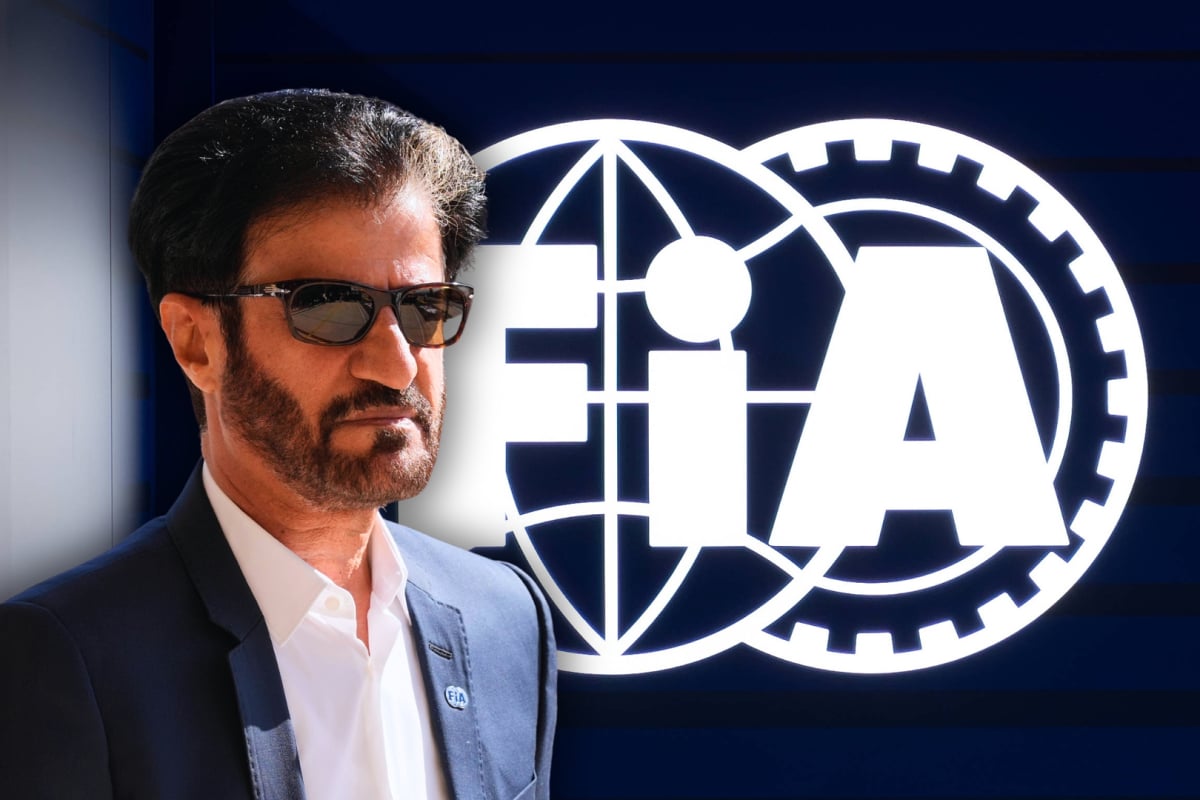
The president of the Fédération Internationale de l’Automobile (FIA), Mohammed Ben Sulayem, has confirmed that motorsport’s governing body is carefully evaluating the status of upcoming Formula 1 events in the Middle East following recent missile attacks linked to escalating tensions involving Iran.
The situation intensified after the United States and Israel launched a bombing campaign targeting sites in Iran. In response, Iran carried out retaliatory missile strikes aimed at several US-linked targets across the region. Among the countries affected was Bahrain, a key venue on the Formula 1 calendar and the planned location for a recent tyre development test.
Last weekend, tyre supplier Pirelli had been scheduled to conduct a two-day wet-weather tyre test at the Bahrain International Circuit. However, due to the rapidly evolving security concerns in the region, the test was officially cancelled.
In a statement released by Pirelli, the company emphasized that the decision was taken purely for safety reasons. It confirmed that all personnel stationed in Manama were safe and accounted for, staying in secure hotel accommodations while arrangements were made for their return to Europe. The company reiterated that ensuring the wellbeing of its staff was the highest priority amid the uncertain circumstances.
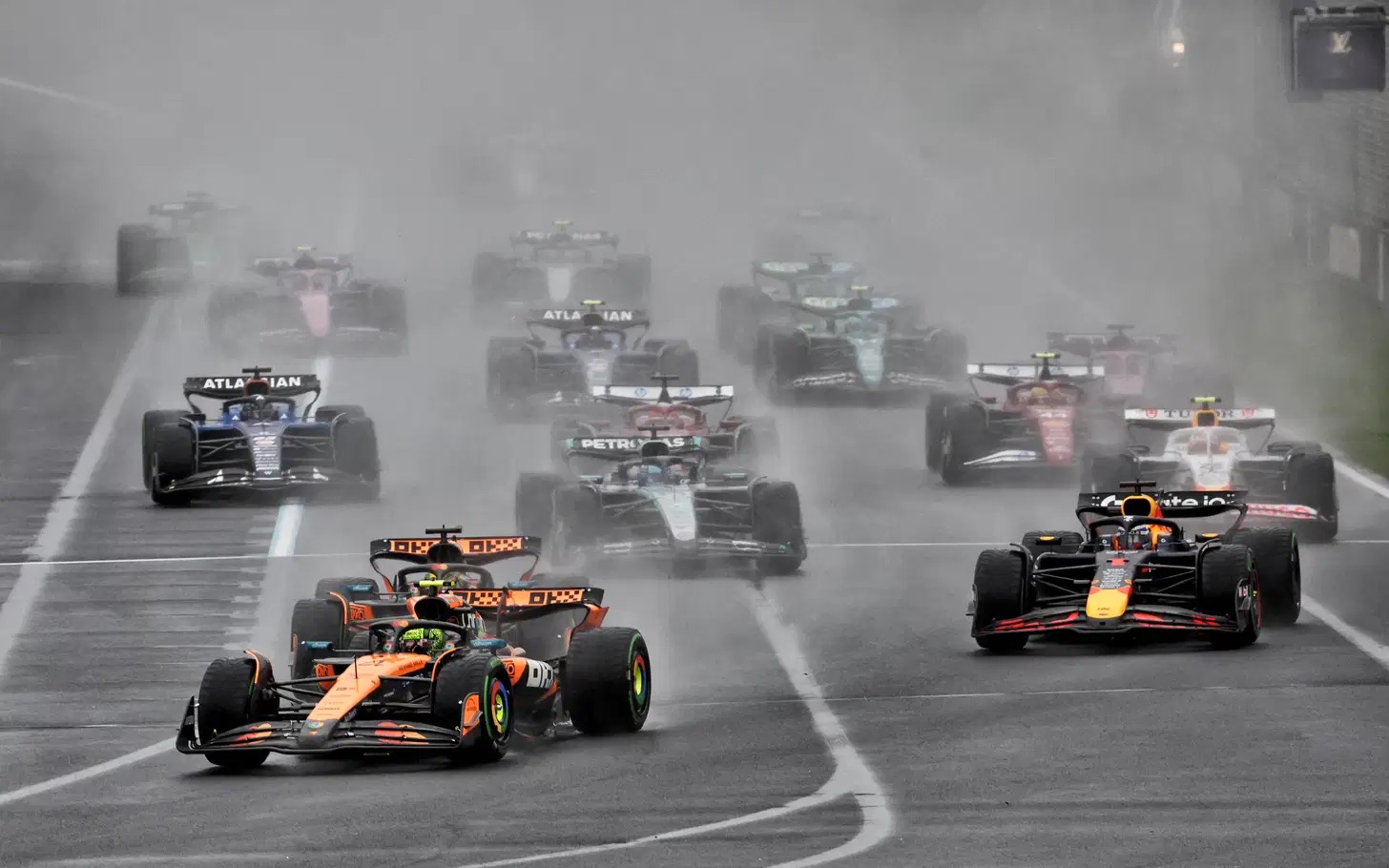
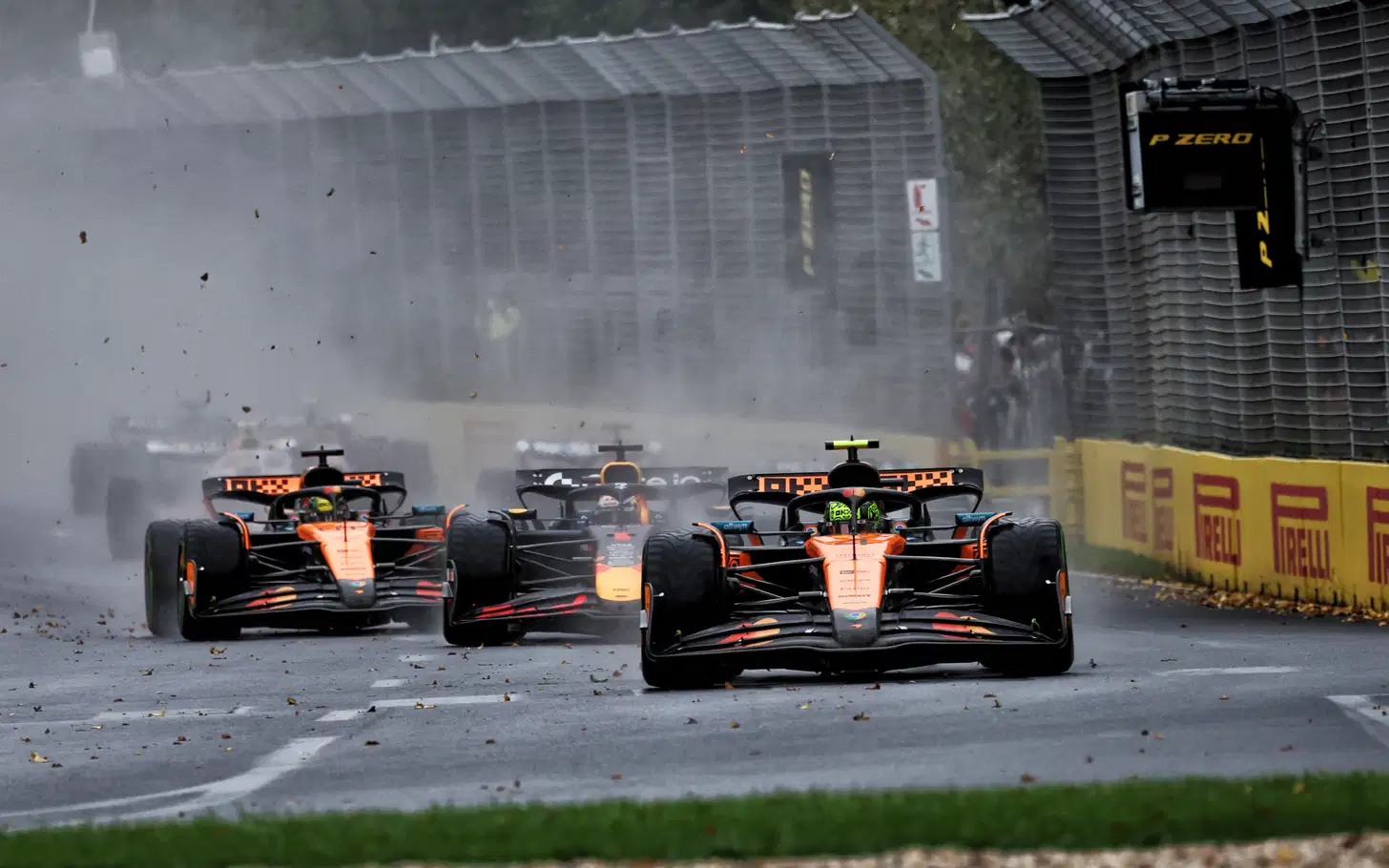
Formula 1 also moved quickly to address growing concerns among teams and fans regarding potential disruptions to the championship calendar. The sport clarified that the next three races — in Australia, China, and Japan — are scheduled outside the Middle East and will not be immediately affected by the unrest. Officials stressed that these events are still several weeks away from the Middle Eastern rounds and that the situation is being monitored continuously in coordination with relevant authorities.
Despite reassurances about the immediate schedule, attention has now shifted to the races set to take place in the Gulf region. The Bahrain Grand Prix is currently scheduled for April 12, followed by the Saudi Arabian Grand Prix on April 19. Both events form an important early-season segment of the Formula 1 championship and typically draw large international audiences.
Addressing the developing crisis, FIA President Mohammed Ben Sulayem expressed deep concern over the humanitarian impact of the conflict. He stated that his thoughts are with all those affected by the recent violence and acknowledged the tragic loss of life reported across the region. Emphasizing the need for calm and stability, he called for dialogue and the protection of civilians to remain central priorities during this period of heightened tension.
Ben Sulayem confirmed that the FIA is maintaining close communication with its member clubs, championship promoters, teams, and local representatives on the ground. According to his statement, the governing body is carefully and responsibly assessing how the unfolding situation may impact not only Formula 1 but also other FIA-sanctioned series scheduled in the region.
He made it clear that safety and wellbeing will serve as the guiding principles behind any decisions concerning forthcoming events. The FIA oversees multiple international championships, including both the FIA Formula One World Championship and the FIA World Endurance Championship, meaning that any regional instability requires comprehensive evaluation across different categories of competition.
The president also highlighted the importance of unity within the global motorsport community during challenging times. He noted that the FIA is built upon collaboration and shared purpose among nations, teams, and organizers, and that this spirit of cooperation is especially vital amid uncertainty.
While no final decisions have yet been announced regarding the Middle Eastern rounds, the message from the sport’s leadership is clear: security considerations will take precedence over sporting commitments if necessary. Motorsport events involve extensive logistical operations, including the travel of thousands of team members, media personnel, and fans, making stability in host countries a crucial factor.
For now, the immediate focus remains on the upcoming races outside the Middle East, while the FIA continues to evaluate developments closely. Further updates are expected in the coming weeks as the April race dates approach and as authorities gain greater clarity on the regional security situation.
In the meantime, teams and stakeholders across Formula 1 await official confirmation on whether the Bahrain and Saudi Arabian Grands Prix will proceed as planned, with safety remaining the ultimate deciding factor.