FIA take action over controversial Ferrari Driver’s…read more
The Fédération Internationale de l’Automobile (FIA) has begun adjusting Formula 1 race start procedures after concerns emerged about how the new 2026 power unit regulations are affecting the way cars launch from the grid. The issue has become a talking point among teams early in the season, particularly after dramatic getaways during the opening race weekends.
According to Jonathan Wheatley, team principal of Audi’s Formula 1 project, the governing body is already implementing minor tweaks to the starting procedure while continuing to study the situation closely. Wheatley confirmed that changes were introduced ahead of the Chinese Grand Prix, though he stressed that the process of finding a balanced long-term solution is still ongoing.
The controversy stems from the new 2026 power units, which require a far longer preparation sequence before drivers can launch their cars from the grid. Under the previous generation of engines used in 2025, the process took only a couple of seconds. However, with the updated hybrid systems, drivers now need roughly 20 seconds to properly prepare the car for a start. This dramatic increase in preparation time has raised questions about fairness and practicality during race starts and practice starts.
One of the main concerns is that the issue disproportionately affects drivers starting further back on the grid. Cars positioned at the front typically have more time while waiting for the lights to go out, whereas drivers at the rear arrive later and may have less time to complete the necessary preparation sequence. As a result, some teams believe that those starting near the front could gain an unintended advantage.
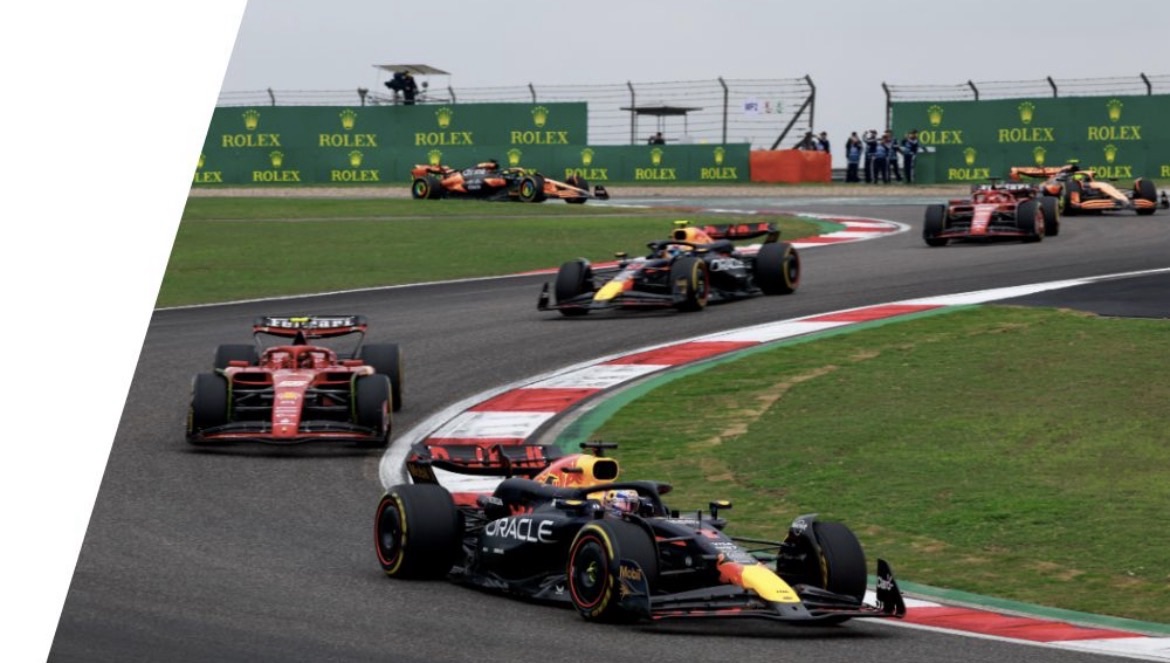
Early evidence of the impact was seen during the season-opening Australian Grand Prix, where the drivers from Ferrari executed exceptionally strong launches. Charles Leclerc and Lewis Hamilton both made impressive progress off the line. Leclerc surged from fourth on the grid into the race lead within the opening corners, while Hamilton climbed from seventh to third. Their rapid starts highlighted how teams that have mastered the new preparation process can gain a decisive advantage when the lights go out.
Interestingly, Ferrari had already warned rivals and officials about potential starting issues when the 2026 technical regulations were first being developed. The Italian team reportedly identified early on that the slower spool-up time of certain power unit components could complicate the traditional start sequence used in Formula 1.
Despite the concerns raised by other teams, Ferrari is believed to be among those resisting significant changes to the procedure. Having invested considerable effort in optimizing their car’s launch performance under the current rules, the team understandably sees little benefit in major alterations that could erase their advantage.
Nevertheless, the FIA appears determined to monitor the situation carefully. Wheatley explained that small procedural adjustments have already been introduced to help ease the immediate challenges faced by teams. Speaking during the Chinese Grand Prix weekend, he emphasized that Formula 1 must avoid overreacting too quickly.
According to Wheatley, the sport has a history of learning rapidly when new regulations are introduced, but it is equally important to avoid rushed decisions. He suggested that regulators should maintain a steady approach rather than implementing drastic changes based on only a few race weekends of data.
Meanwhile, the FIA stewards have also flagged the new starting system as a potential area requiring further review. Their concerns became public following an investigation involving Alexander Albon of Williams Racing, who received a reprimand for a practice start procedure issue earlier in the weekend.
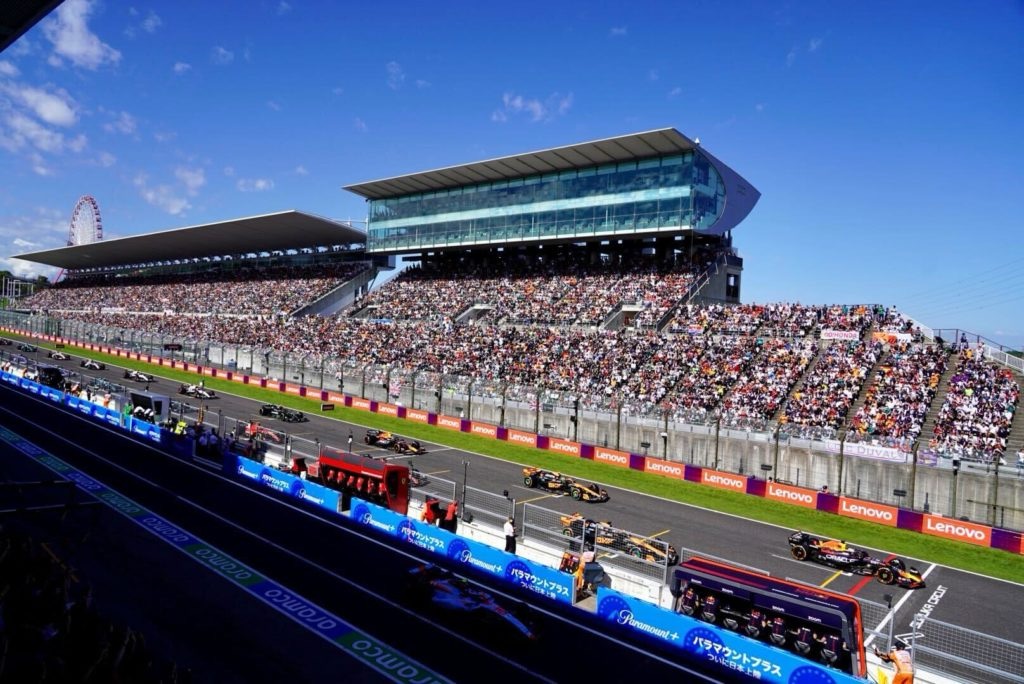
During the stewards’ review, it was noted that the significantly longer preparation sequence could create complications when multiple cars attempt practice starts after sessions. In previous seasons, drivers would typically wait for the car ahead to complete its launch before beginning their own preparation. However, with the new systems requiring around 20 seconds to prepare, this method could result in long queues and delays if each driver follows the same pattern.
Officials acknowledged that if the entire field requires such lengthy preparation times—especially if leading cars need even longer—then the current practice start process may need to be redesigned altogether.
For now, the FIA continues to evaluate the situation while introducing minor adjustments where necessary. As teams gain more experience with the new power units over the coming races, further refinements to Formula 1’s starting procedures could become inevitable. The challenge for the sport will be striking the right balance between fairness, safety, and preserving the intense drama that race starts bring to the championship.