FIA Under Pressure as F1 Title Showdown Raises Fears of ‘Abu Dhabi 2021 Part Two
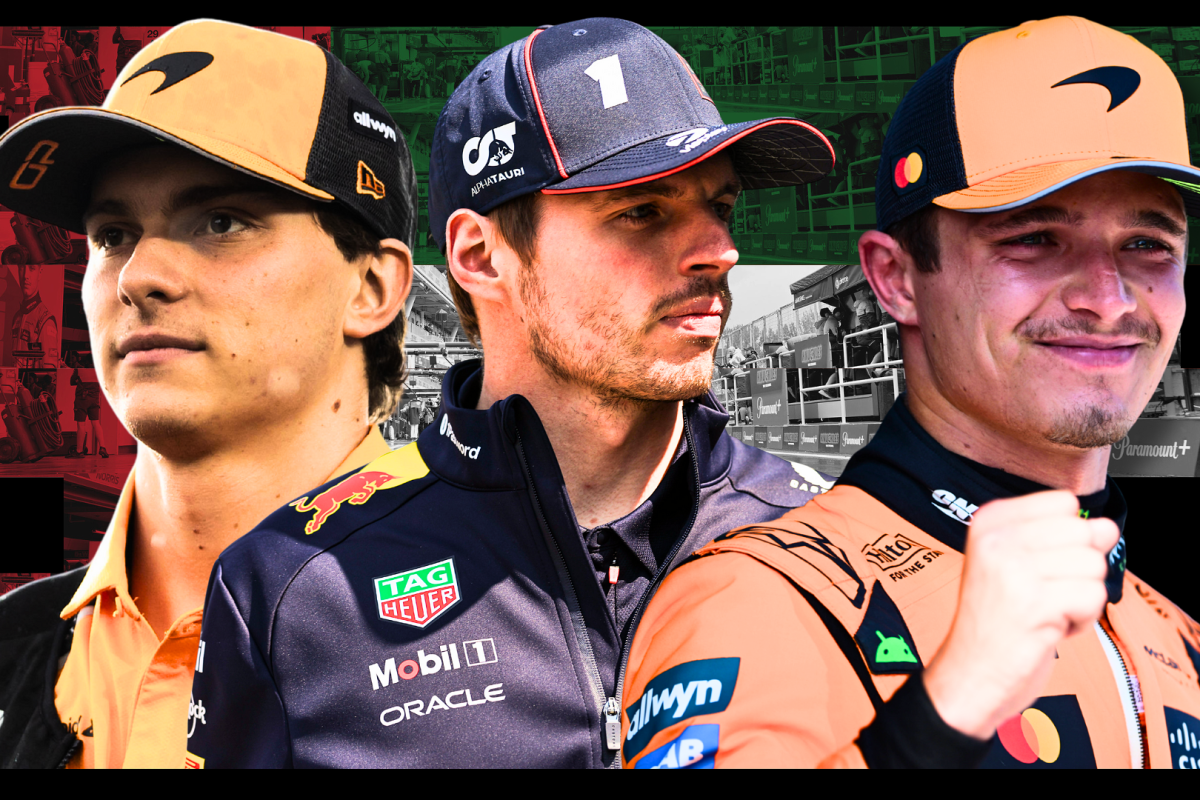
As Formula 1 heads into the season-ending Abu Dhabi Grand Prix, the excitement surrounding the three-way championship fight is matched only by a lingering sense of anxiety. Many fans—and even some within the paddock—can’t help wondering whether the deciding moment of this year’s title race will unfold cleanly on track or whether controversy will once again cast a shadow over the final showdown.
The hope, naturally, is that the championship is settled through pure racing: wheel-to-wheel battles, smart strategy, and nerves of steel. But the possibility of chaos looms. What happens if we face a scenario where Max Verstappen leads, Lando Norris sits fourth, and a late safety car opens the door to questionable decision-making? It’s a strangely specific hypothetical, but one that instantly evokes the trauma of the 2021 Abu Dhabi GP—the race that fundamentally altered how the FIA governs the sport.
Of course, Michael Masi, the race director at the centre of the 2021 controversy—whom Mercedes boss Toto Wolff famously labelled a “lunatic”—is no longer part of the FIA structure. His departure was a direct consequence of the outrage that followed that season’s finale. But the memory of the incident remains fresh enough that many fans remain wary of the governing body’s decision-makers ahead of another high-stakes conclusion.
Would Controversial Penalties Prompt Rule Changes?
Some worry not about safety-car procedures this time, but about penalties. The Oscar Piastri penalty in Brazil sparked heated debate across the grid, with several drivers questioning whether the stewarding standards were clear enough. However, ahead of the Qatar Grand Prix, the FIA confirmed that no changes would be made to driving standards guidelines for the final stretch of the season. This announcement came after a meeting involving all 20 drivers, aimed at clarifying expectations and avoiding late-season confusion.
In essence, the message from the FIA is simple: the rules stand as they are. With clarity provided and drivers agreeing to the framework, any penalty handed out during the title decider will fall squarely on the shoulders of the competitor involved. Yet, despite the formal assurances, some observers still fear that in the intense pressure of a championship finale, one debatable stewarding call could swing the outcome.
Why Abu Dhabi 2021 Still Haunts the F1 Community
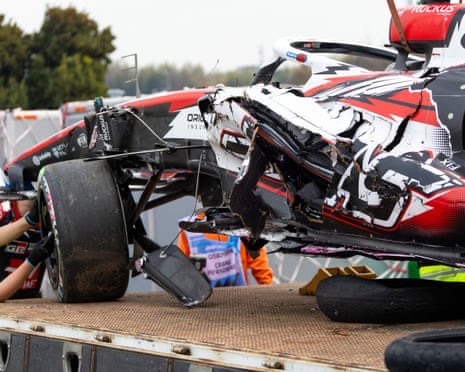
The reason suspicion lingers is rooted in that unforgettable evening in December 2021. Verstappen and Lewis Hamilton entered the Abu Dhabi finale level on points—an extraordinarily rare situation in Formula 1. For most of the race, Hamilton appeared poised to claim a historic eighth world title. Verstappen, struggling to match Hamilton’s pace, had few opportunities to challenge until a late crash by Nicholas Latifi triggered a safety car.
Sensing an opportunity, Red Bull pitted Verstappen for fresh tyres, while Hamilton stayed out to preserve track position. Several lapped cars stood between the title rivals, which should have prevented a direct last-lap fight. But in an unprecedented move, Masi instructed only the lapped cars between Hamilton and Verstappen to unlap themselves—leaving others in place. This selective clearing of traffic placed Verstappen right behind Hamilton for the restart and set up a one-lap shootout.
What followed remains one of the most dramatic—and contested—moments in F1 history. With superior tyres, Verstappen executed a decisive overtake on the final lap, clinching his first world championship while Hamilton’s camp protested the procedure. Although no results were overturned, the backlash ultimately cost Masi his job.
Enhanced Scrutiny in 2025
This year marks the first time since 2021 that the title fight goes down to the very last race. Naturally, the FIA stewards will be under immense scrutiny. Fans, teams, and commentators will dissect every decision, every investigation, and every radio message for signs of inconsistency or bias.
The pressure is amplified by the fact that three drivers—Verstappen, Norris, and another contender—are still mathematically capable of securing the championship. It is the first multi-driver finale since 2010, raising the intensity and increasing the potential for strategic gamesmanship.
If Verstappen finds himself leading with Norris positioned in a place that threatens the title outcome, the Dutchman may attempt clever—but legal—race management tactics similar to the way Lewis Hamilton backed up Nico Rosberg in 2016. While such tactics fall within the rules, it will be up to the stewards to ensure no lines are crossed.
A High-Stakes Weekend for the FIA
Ultimately, the governing body must deliver flawless oversight. Another questionable call—whether related to safety-car procedures, lapped traffic, track limits, or wheel-to-wheel racing—would trigger an outcry and overshadow what has been a spectacular season.
Still, despite the heavy pressure, there is confidence among many that the FIA, strengthened by lessons from 2021 and clearer internal structures, will avoid repeating past mistakes. The world will be watching—but this time, the hope is that the story of the 2025 championship is written by the drivers, not the stewards.