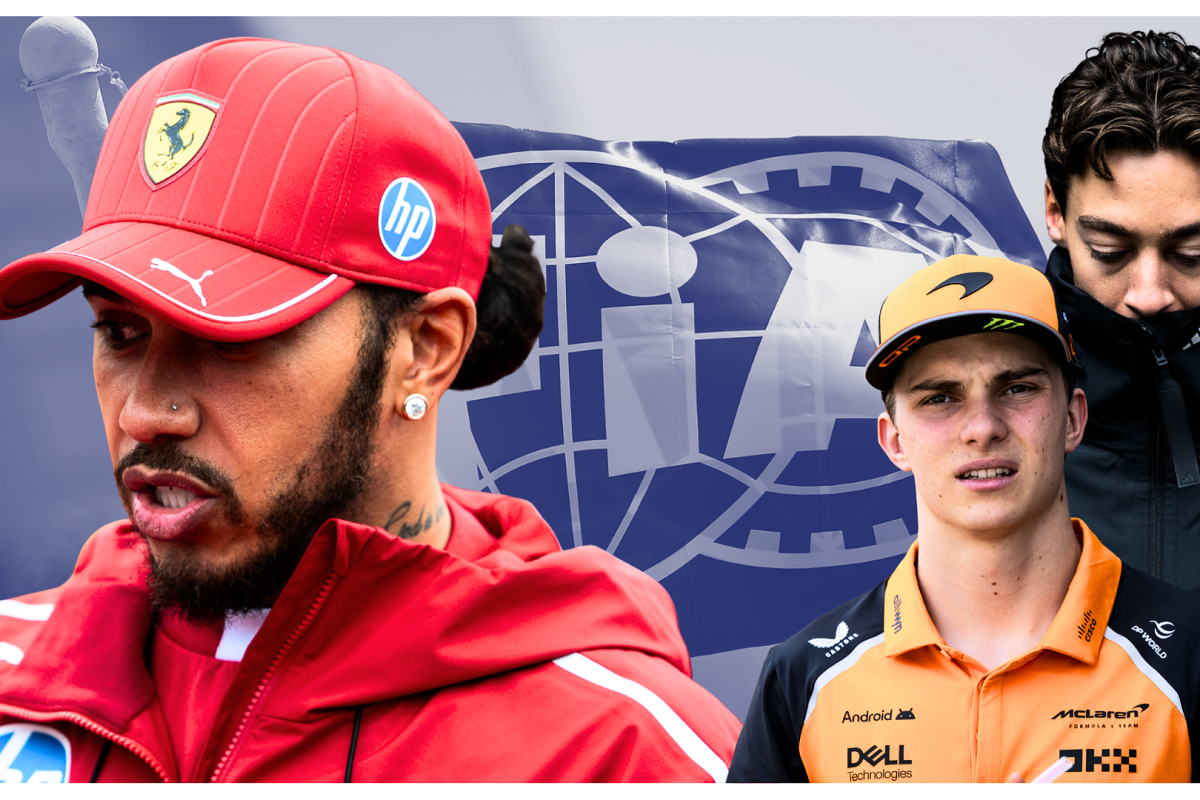
FIA told to take urgent action over concerns growing between M…read more
Concerns are growing ahead of the 2026 season as start-line performance issues with the new-generation Formula cars could create serious safety risks — prompting calls for urgent regulatory intervention before the Australian Grand Prix.
With sweeping new technical rules arriving in 2026, teams and officials in Formula 1 expected a challenging winter of development and clarification. Major regulation overhauls typically produce disputes and interpretation battles, but the scale of the upcoming changes — especially around power unit design — has created deeper complications than usual.
For a time, the main talking point among engineers centered on engine compression ratios and regulatory interpretation battles between leading manufacturers. However, recent pre-season testing has revealed a more immediate and visible concern: several of the new cars are struggling to launch cleanly from a standing start.
During practice starts in Bahrain testing sessions, multiple cars reportedly failed to pull away effectively when the lights sequence was simulated. Only a small number managed smooth launches, highlighting a systemic weakness rather than isolated driver error.
The root of the problem lies in the architecture of the new power units. Under the revised rules, the balance between electrical and combustion power has shifted significantly. As a result, some engines require longer and more aggressive rev build-up before delivering enough torque for an effective launch. If the turbo and hybrid systems are not fully ready at the moment of release, a car can hesitate or stall off the line.
Such hesitation is not merely inconvenient — it can be dangerous. A slow or stationary car on the grid presents a major hazard when drivers behind, with limited visibility, accelerate at full power. The closing speeds involved at race starts leave little margin for avoidance if a car fails to move.
Because of this, several team principals are now pushing for procedural changes, including extending the start sequence timing to give cars more opportunity to prepare their systems before launch. Their argument is that without adjustments, the opening moments of races could become unpredictable and unsafe.
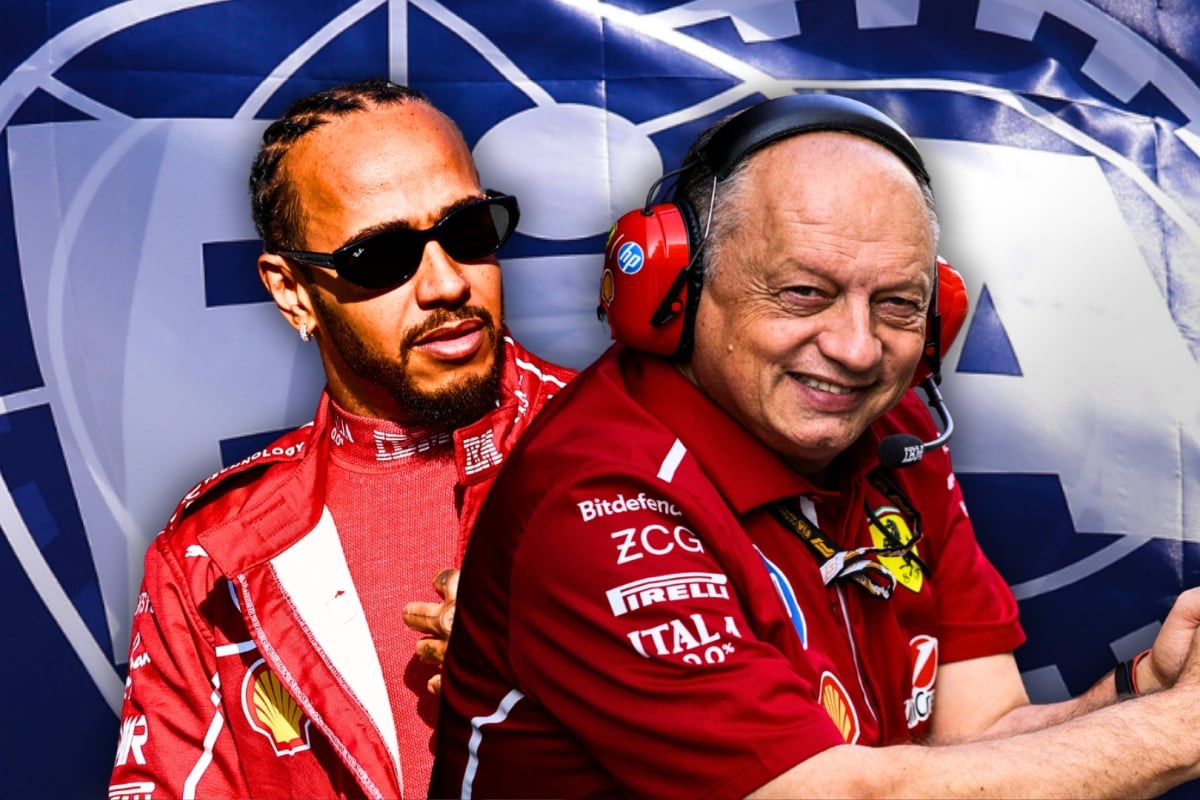
Not everyone agrees with changing the rules, however. Ferrari is understood to have anticipated this launch difficulty during early development of its 2026 power unit. According to paddock discussions, Ferrari engineers warned that the new regulations could produce start-line complications if not properly addressed in engine design. They then invested development time into solutions intended to ensure strong and reliable launches.
From Ferrari’s perspective, altering procedures now would effectively reward competitors who underestimated or ignored the risk. Teams that optimized for other performance areas — and accepted weaker start behavior — could benefit from rule adjustments that erase Ferrari’s preparation advantage.
That tension creates a familiar conflict between competitive fairness and safety responsibility. On one hand, it appears unjust to penalize a team that correctly read the regulations and engineered accordingly. On the other hand, race control authorities cannot ignore a scenario where multiple cars could be stranded at the start of a Grand Prix.
The governing body, FIA, is therefore under pressure to review start procedures before the season opener. Possible measures include lengthening the pre-start phase, revising clutch and launch control allowances, or issuing temporary technical directives to reduce stall risk.
While such changes may disadvantage teams that engineered superior launch systems, the consensus among many stakeholders is that grid safety must take priority. A start-line pileup caused by preventable system limitations would carry consequences far beyond competitive balance.
With the Australian Grand Prix approaching, discussions within the F1 Commission are expected to intensify. Whether through procedural tweaks or technical allowances, officials are likely to act — aiming to ensure that when the lights go out in 2026, every car can leave the grid cleanly and safely.