What Track Limits Are and Why They Matter
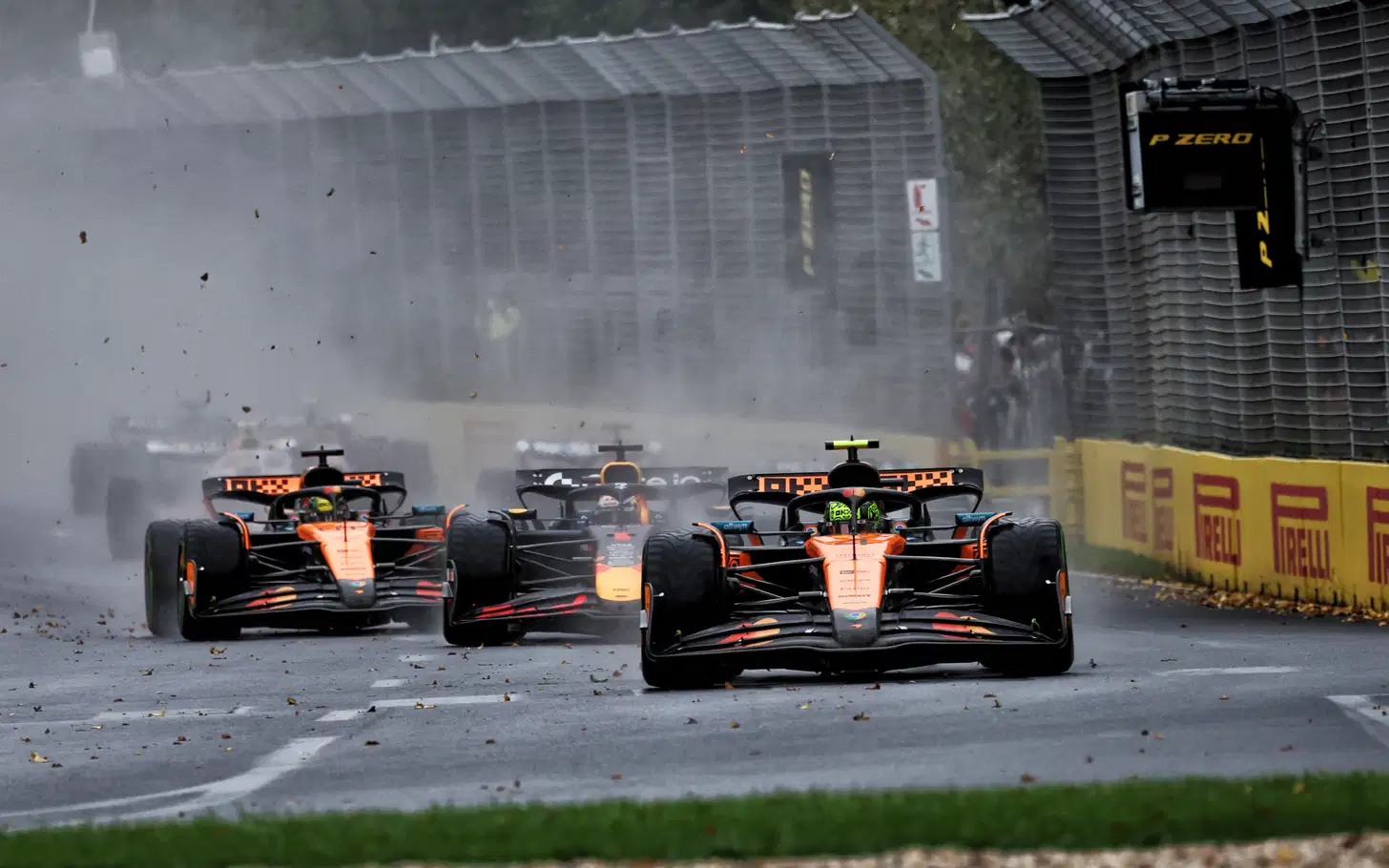
In Formula 1, track limits are the invisible boundaries that define the legal portion of the racetrack a driver must remain within during sessions — free practice, qualifying, and the race itself. The edges of the track are typically defined by white lines painted at each corner or along a straight. If a driver puts all four wheels entirely beyond these lines — meaning no part of the car is still touching the legal surface — that counts as leaving the track. Race officials consider the white lines themselves as part of the track, but not the curbs beyond them.
Respecting track limits is essential for fairness and safety. When a car goes beyond the permitted area, it can gain a performance advantage by straight-lining a corner or carrying more speed — something competitors and officials want to avoid, as it undermines sporting integrity.
Historically, enforcing track limits has been one of the more controversial aspects of race control. Competitors often push the margins of where they can legally place their cars in pursuit of performance, and policing that with human eyes — particularly in fast cars at fast corners — is a significant challenge.
Penalties for Track Limit Breaches
The rules for penalties vary depending on which session a breach happens in:
Practice and Qualifying: If a driver exceeds track limits during practice or qualifying, the most common penalty is deletion of that lap time. In qualifying, where grids are set on lap times, this can have a major consequence, potentially knocking a driver out of a session or dropping them down the grid. The FIA can also delete additional laps — e.g., if the breach occurs in the final corner, the next effort may also be invalidated if it’s judged the driver gained an advantage. Race Sessions: In races, a tiered system is used. A driver might be warned initially — you can exceed the track limit three times before a black-and-white flag is shown. After that, escalating time penalties can be applied: typically a five-second penalty after multiple breaches, then a ten-second penalty if track limit violations continue beyond that. If the infringements are extreme or persistent, further sanctions including disqualification are possible, though that’s rare.
Overall, the intent is clear: leave the track only when necessary (for safety, avoiding a collision, etc.), and otherwise stay within the legal boundaries to maintain fairness.
The FIA’s Traditional Enforcement Challenges
Up until now, policing track limits largely relied on a mix of technologies and human oversight:
Trackside Cameras: CCTV cameras placed at many corners record every car as it passes. Officials then review the footage to determine whether a car went off track. Onboard Telemetry: Cars are equipped with sensors and telemetry that relay data such as speed and position. This helps stewards check whether a vehicle has gone beyond limits, but it isn’t perfect or fully automatic. Human Review: A team working for the FIA’s Remote Operations Centre (ROC) has to sift through hundreds of possible incidents each race weekend — a huge workload. One corner alone at some events might generate hundreds of potential breaches that need verification.
Because of these factors, breaches sometimes weren’t logged immediately, leading to delayed decisions that frustrated teams and drivers — for example, a qualifying lap deleted long after the session had ended.
Introducing the AI System: ECAT and Computer Vision
To address these challenges, the FIA has developed a new digital system known as ECAT — Every Car All Turns. The core idea is to automate most of the routine work of detecting track limit violations using advanced computer vision and artificial intelligence.
Here’s how it works:
Recognition of Car Silhouettes The technology can identify a car’s shape in video feeds from cameras around the circuit. It checks this silhouette against defined reference points — markers that indicate where the track ends and where it’s still legal. This lets the system determine whether a vehicle has crossed the legal edge of the track. Geofencing and Reference Zones The system can create virtual zones on the track (like geofences) that trigger an alert if a car enters them. If a vehicle’s position changes such that it’s detected outside these zones, the system marks it as a potential breach. Integration with Positioning Data ECAT doesn’t just look at video; it compares what it sees with positioning data from each car. This combined approach improves accuracy, reducing false positives and giving a clearer picture of a car’s exact location. Massive Workload Reduction With this system in place, the number of incidents requiring manual human review drops dramatically — from potentially hundreds or even over a thousand per event to a small fraction of that. The FIA says roughly 95 % of track limits checks are now handled automatically, leaving only the most ambiguous or borderline cases for stewards to assess.
Benefits for F1 and Its Governance
The introduction of AI, computer vision, and ECAT offers several key advantages:
Speed: Teams, drivers, and officials get information in near real-time rather than waiting for long post-session reviews. Consistency: Automated detection removes some of the subjectivity and inconsistency that can occur when humans are watching dozens of corner cameras for hours. Focus on Human Judgment Where It Matters: Rather than checking every single suspected breach, officials can devote their attention to the most critical decisions — such as determining whether a driver gained a clear advantage or whether a breach was forced (e.g., to avoid a crash). Transparency: Starting in 2026, teams may be sent the actual images or reference footage used for a track limits decision as soon as an incident is flagged. This helps avoid situations where teams are left wondering why a penalty was applied or when exactly it occurred.
What This Means for F1 Moving Forward
The FIA’s adoption of AI and automated systems to police track limits is one of the most significant technical changes in officiating in recent years. It’s not just a minor tweak — it represents a shift toward greater automation and data-driven decision-making in a sport where fractions of seconds matter.
If the system functions as intended, it should reduce controversy around track limits, provide more immediate and consistent enforcement, and allow stewards to concentrate on the most significant sporting questions rather than sorting through enormous backlogs of data.
At the same time, the role of humans remains vital — AI flags potential issues but doesn’t replace human judgment on penalties, particularly in nuanced cases where context matters (e.g., forced track exits due to collisions).
In essence, the new AI-assisted monitoring is about augmenting stewards’ capabilities rather than fully replacing them, helping the sport evolve with technology while maintaining fairness, clarity, and competitiveness.