Ford Deepens Role in Red Bull Power Unit Project as Verstappen Era Enters New Phase
Red Bull’s ambitious move into full-scale engine manufacturing has taken a significant and unexpected step forward, with Ford’s involvement now stretching well beyond what was initially planned. As the team prepares for the introduction of Formula 1’s new power unit regulations, the American automotive giant has quietly expanded its contribution into areas once thought to be outside the scope of the partnership.
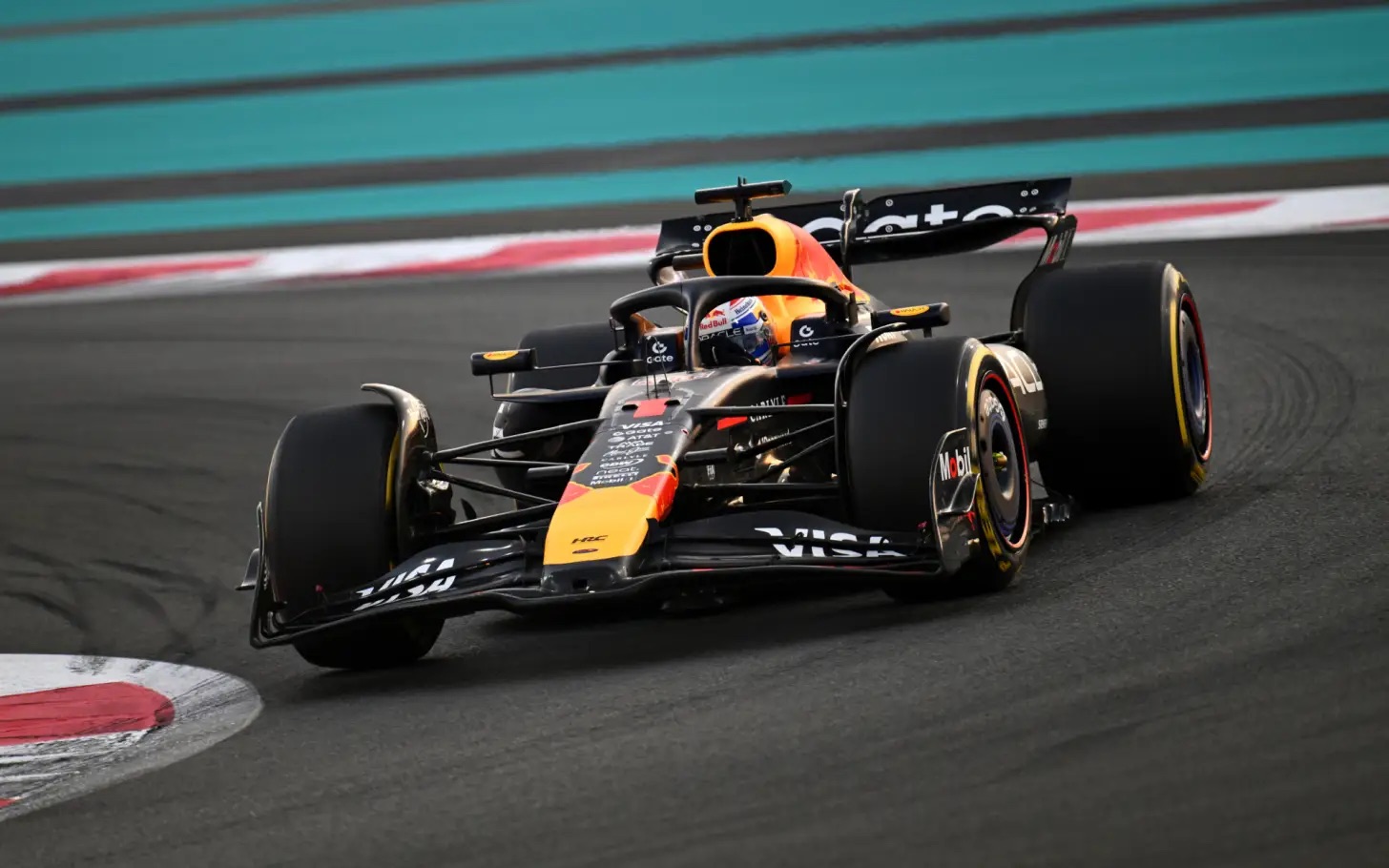
Based in Milton Keynes, Red Bull Powertrains faces one of the biggest technical challenges in its history: producing its first in-house power unit from the ground up. The project is central to Red Bull’s long-term competitiveness, particularly as Max Verstappen enters a new chapter of his career under radically different technical rules. While Ford was originally expected to play a limited, specialist role, the collaboration has grown into a far more integrated effort.
At the outset of the partnership, Ford’s focus was firmly placed on the electrical side of the hybrid power unit. With the 2026 regulations increasing the importance of electrification, the American manufacturer was tasked with delivering expertise in areas such as battery systems, inverters, software, and calibration.
Speaking to Motorsport.com, Ford Performance director Mark Rushbrook explained that this electrical emphasis formed the foundation of the original agreement.
“The initial scope was very much centred on the electrical components of the power unit,” Rushbrook said. “That included the battery, inverter, software, calibration and related systems. That was our primary focus early on, and we’ve delivered strongly in those areas.”
However, as the project progressed, Ford’s role began to shift. Changes in the company’s broader road car strategy prompted a reassessment of where its Formula 1 involvement could add further value.
“What we didn’t foresee at the beginning was our level of involvement with the internal combustion engine,” Rushbrook admitted. “That wasn’t a priority for us at first, but over time that changed, partly due to adjustments in our road car development plans.”
While many manufacturers have accelerated towards fully electric road cars, Ford has opted for a more balanced approach. The company continues to invest in internal combustion engines alongside hybrid and fully electric powertrains. This ongoing commitment made deeper involvement in Formula 1’s combustion technology both logical and strategically beneficial.
“Our road car plans still include internal combustion engines, as well as hybrids and EVs,” Rushbrook explained. “Because of that, being involved in the combustion side of the Formula 1 power unit has become increasingly important to us.”
This alignment between Ford’s commercial objectives and Red Bull’s racing ambitions created natural technical overlaps. As engineers from both organisations worked more closely, opportunities emerged for Ford to contribute directly to the combustion engine being developed by Red Bull Powertrains.
As a result, Ford is now manufacturing key internal combustion components at its Dearborn facility in the United States. These parts are produced at high frequency and shipped regularly to support the relentless development cycle demanded by Formula 1.
“While we were deeply involved in the electrical side, we could see what was happening on the combustion engine side as well,” Rushbrook said. “That allowed us to identify areas where we could contribute meaningfully. From that point on, components for the combustion engine started being produced in Dearborn, and they’re now made and shipped on a daily basis.”
Despite the expanded scope of Ford’s involvement, Rushbrook was keen to clarify that this evolution should not be interpreted as a sign of weakness or shortfall within Red Bull’s own technical operation.
“It’s not that Red Bull was missing something,” he stressed. “This is simply what happens when you bring two major technical organisations together. You exchange ideas, ask questions, challenge assumptions, and in doing so, you uncover new opportunities.”
Rather than acting as a rescue or support mechanism, Ford’s deeper role is the result of collaboration between two engineering powerhouses working towards a shared objective. The partnership has organically grown as both sides recognised the potential benefits of closer integration.
As Formula 1 prepares for one of its most significant regulatory resets in decades, Red Bull and Ford’s increasingly intertwined effort highlights how vital collaboration and adaptability have become in the modern era. With Verstappen expected to remain at the heart of Red Bull’s ambitions, the success of this expanded partnership could play a decisive role in shaping the competitive order under the new rules.