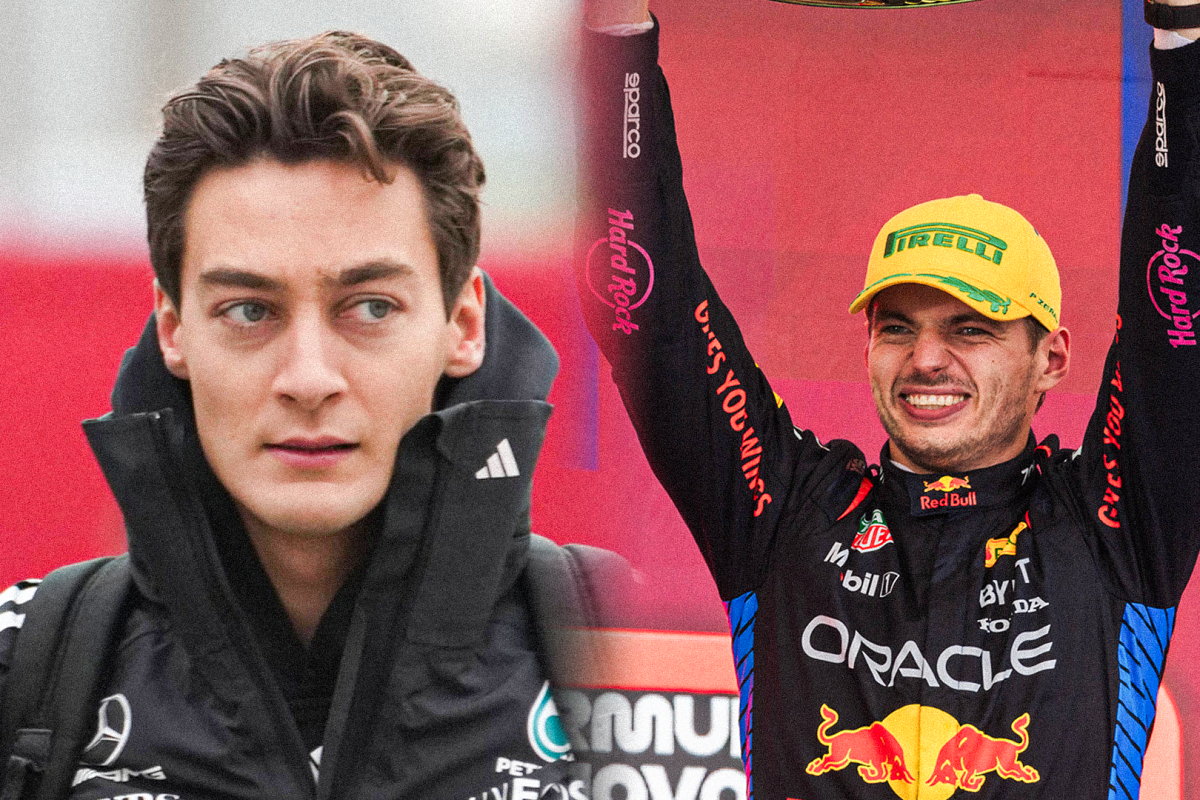
George Russell admits he is ‘scared’ over Red Bull’s…read more
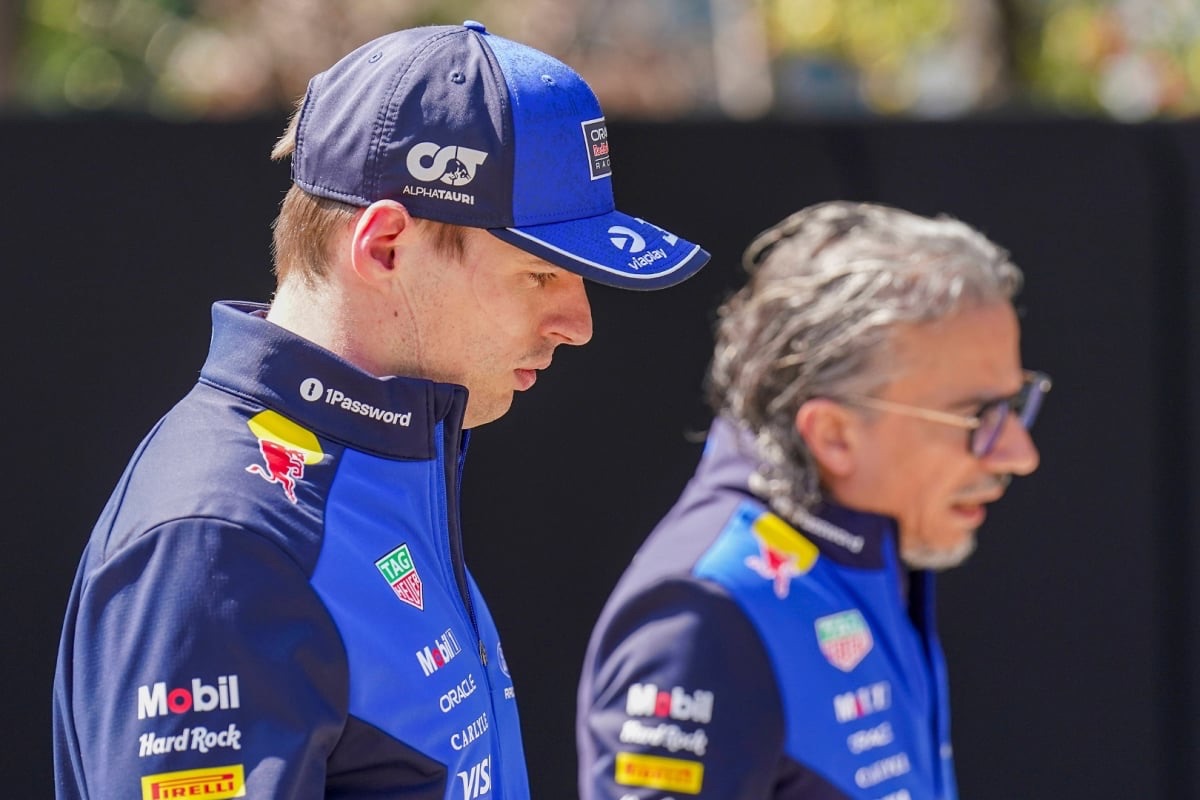
Concerns are growing inside the Formula 1 paddock after Mercedes driver George Russell admitted he feels uneasy about the apparent early advantage shown by Red Bull ahead of the 2026 season. With teams currently gathering data during pre-season testing in Bahrain, early signs suggest one constructor may already have a meaningful edge under the sport’s sweeping new regulations.
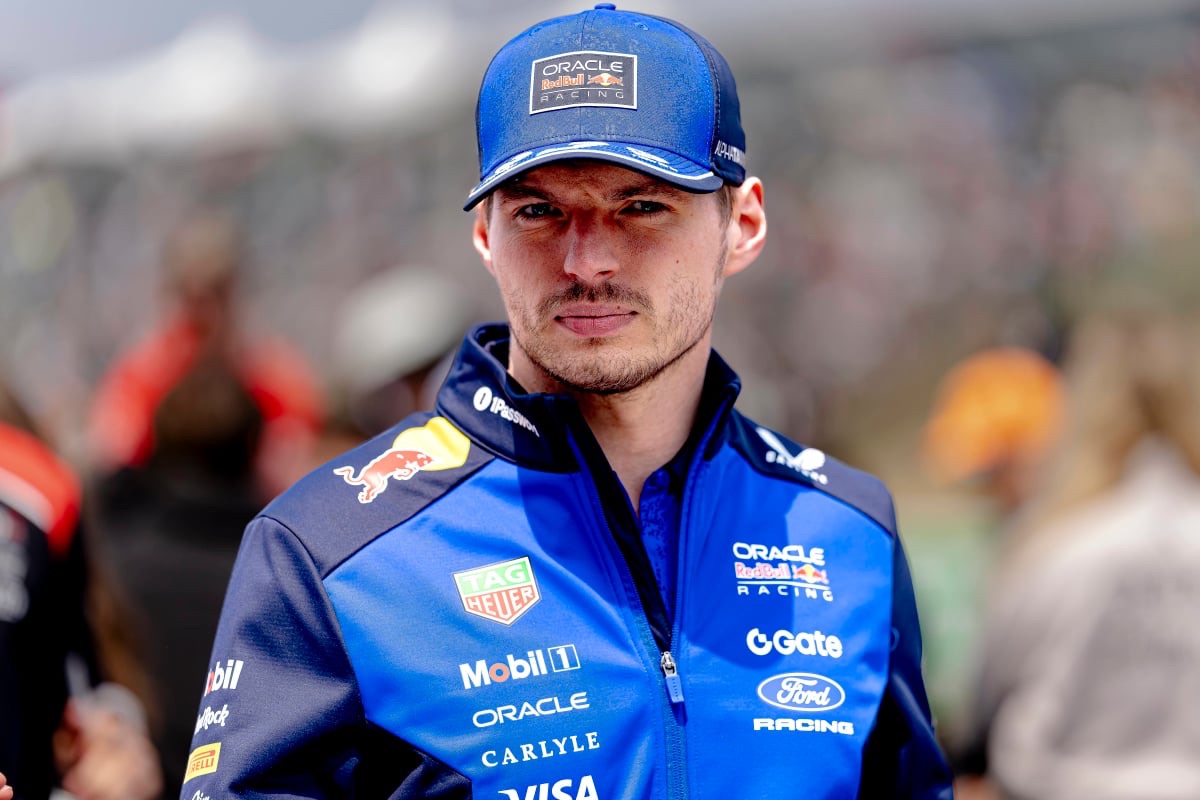
Testing sessions have brought together leading names on the grid, including Russell and four-time world champion Max Verstappen, as they work to understand radically redesigned cars. The 2026 rule changes represent one of the biggest technical resets in modern Formula 1, with both chassis and power unit concepts reworked. A major headline change is the increased importance of electrical energy in overall performance.
Under the new framework, the MGU-H component has been removed entirely, while the MGU-K system has been upgraded to deliver nearly three times more electrical power than before. The result is a power unit where energy output is expected to be split roughly evenly between the traditional internal combustion engine and electric deployment. This shift has forced teams to rethink packaging, cooling, deployment strategies, and race management.
Even so, testing form is often difficult to read accurately. Fuel loads, engine modes, and experimental setups can disguise the true competitive order. Typically, the real hierarchy only becomes clear at the opening race weekend. Despite that uncertainty, several drivers and team leaders have already begun pointing to Red Bull as the early benchmark.
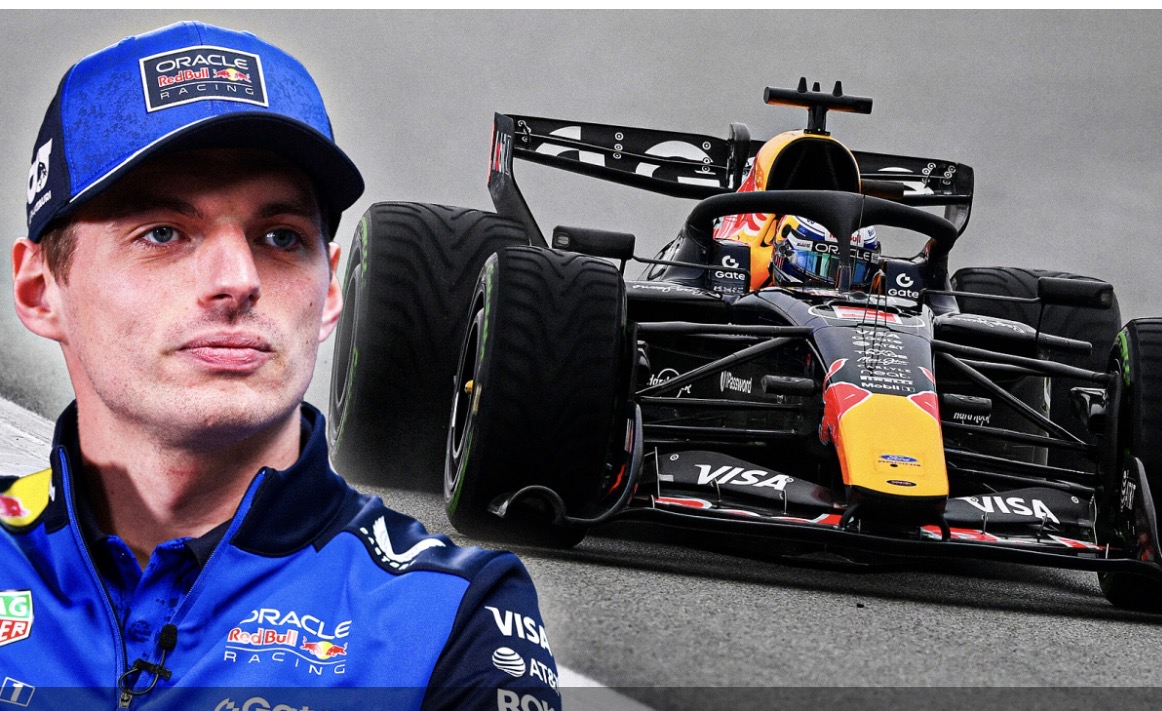
Russell’s team boss at Mercedes-AMG Petronas Formula One Team, Toto Wolff, publicly praised Red Bull’s early showing after the first Bahrain sessions, describing them as the reference point others are chasing. Such comments may partly be psychological — teams often talk up rivals to shift pressure — but the lap-time patterns and on-track behavior of the cars have still raised eyebrows across the paddock.
While Verstappen himself has voiced strong criticism of the new generation of cars and their energy-heavy driving style, his team’s package appears effective. Red Bull’s newly developed in-house power unit has drawn particular attention, with observers noting strong deployment characteristics and consistent pace across runs.
Russell indicated that the gap he is seeing is not minor. He suggested Red Bull’s energy deployment advantage over a full lap could be measured in tenths — and possibly more — which he described as worrying. According to him, the difference in how effectively Red Bull can release electrical energy compared to competitors looks significant at this early stage.
He also pointed to a pattern that began at earlier running in Spain and has continued into Bahrain. In both venues, Red Bull appeared immediately comfortable and competitive from the first day on track, while rivals needed more time to dial in their setups. Russell noted that this mirrors historical trends, where Red Bull has often produced strong chassis even in seasons where their engine package was not considered the outright best.
From his perspective, the consistency of Red Bull’s early performance across different circuits suggests their baseline is already very strong. With limited practice time available at race weekends, he warned that chasing teams may struggle to close the gap quickly once the season begins.
The new championship year will officially open with the Australian Grand Prix in Melbourne. Before that, teams will complete another round of Bahrain testing to refine reliability, software control, and energy deployment models. All eyes will remain on Red Bull Racing to see whether their apparent testing advantage holds once competitive sessions begin.