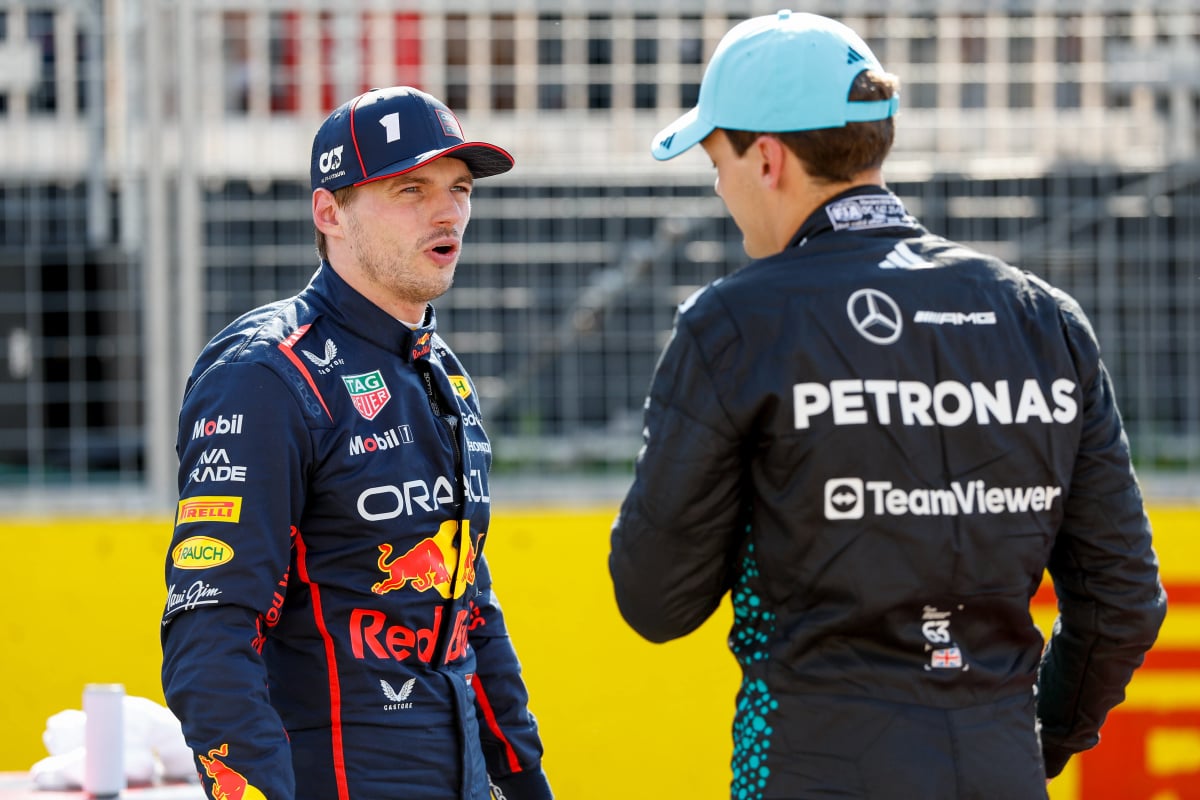
Russell Fires Back at Verstappen as 2026 F1 Car War Explodes
Tensions between George Russell and Max Verstappen have reignited after the Dutchman launched a fierce critique of Formula 1’s new 2026 machinery — and Russell wasted little time in pushing back.
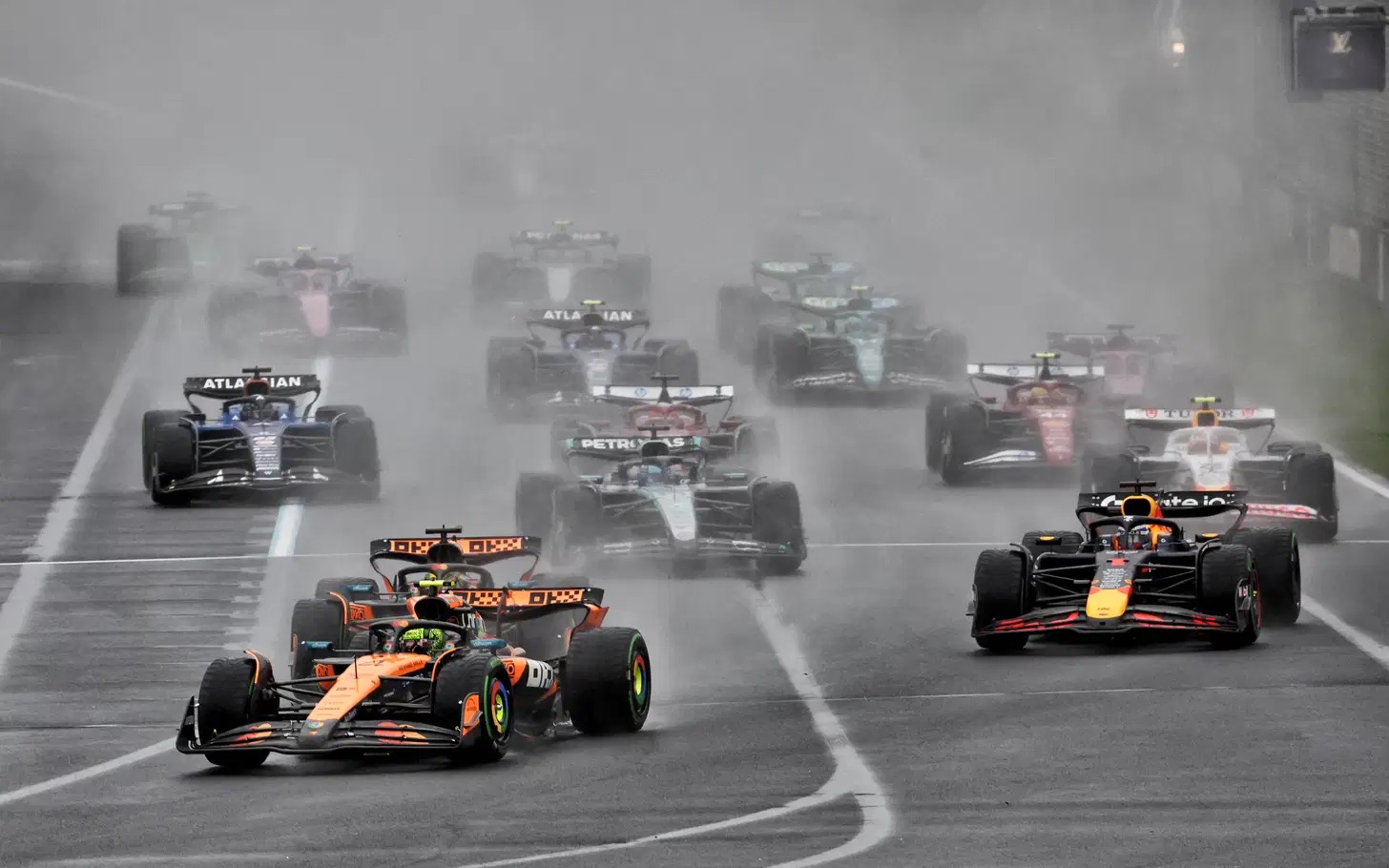
Verstappen has made no secret of his frustration with the sport’s sweeping regulation overhaul, branding the new-generation cars “anti-racing” and even comparing them to “Formula E on steroids.” His comments have stirred debate across the paddock, with teams and drivers divided over whether the changes will enhance competition or dilute the spectacle.
But if Verstappen expected universal agreement, Russell had other ideas.
The rivalry between the two drivers has been simmering for over a year. Flashpoints in 2025 — most notably their controversial clash in Barcelona, where Verstappen was accused of deliberately colliding with Russell — intensified an already frosty relationship. Allegations flew in both directions, with Verstappen labeled overly aggressive and Russell criticized as disingenuous. While the public war of words eventually cooled, body language in cooldown rooms and subtle paddock exchanges have hinted that the tension never truly disappeared.
So when Verstappen took aim at the 2026 cars, it was perhaps inevitable that Russell would step forward to defend both the new era and the direction of the sport.
Russell dismissed the suggestion that the updated cars are fundamentally flawed, arguing instead that every era of Formula 1 demands adaptation.
“The guiding principles remain exactly the same,” Russell explained. “You’re still pushing the car to its absolute limit. You’re braking as late and as hard as possible, maximizing entry speed, and trying to extract every ounce of performance.”
He acknowledged that the 2026 cars come with their own nuances — particularly with energy deployment and efficiency playing an even greater role under the revised power unit regulations — but rejected the idea that this compromises racing.
“In every generation of cars, there’s always something unique about how you drive them,” Russell added. “I’ve watched old onboard footage of Ayrton Senna from the late ’80s and early ’90s. He had a very distinctive style — blipping the throttle mid-corner to keep the turbo alive and maintain balance. That was a quirk of that era.”
Russell pointed out that modern drivers are simply dealing with a different kind of challenge. While lift-and-coast techniques may be more visible under the new regulations, he insists that the experience behind the wheel remains intense and rewarding.
“Here in Bahrain and Barcelona, it honestly didn’t feel bad at all,” he said. “Melbourne might tell a different story, but so far, I’m enjoying it.”
The debate over the 2026 cars is unfolding against the backdrop of what could be a career-defining season for Russell. With Mercedes-AMG Petronas Formula One Team believed to have made significant gains in power unit development over the winter, speculation is mounting that Russell could be a leading contender for his first world championship.
After years of rebuilding following the end of their dominant hybrid-era run, Mercedes appear rejuvenated. If their engine package delivers as expected under the new regulations, Russell may find himself with machinery capable of fighting consistently at the front.
Yet the path to a maiden title is far from straightforward.
Regulatory discussions behind the scenes could yet alter the competitive landscape, with proposals reportedly under consideration that may restrict certain power unit advantages. Any move to curb Mercedes’ gains would add further unpredictability to the championship picture.
And then there is the threat from elsewhere on the grid.
Russell’s former team-mate, Lewis Hamilton, now spearheading a new chapter with Scuderia Ferrari, is widely viewed as a serious contender. The prospect of Hamilton chasing a record-breaking eighth world title in competitive machinery adds a compelling subplot to 2026. Ferrari’s early pace has turned heads, and if their development curve continues upward, they could pose a formidable challenge.
Not to mention Charles Leclerc, whose raw speed and qualifying prowess make him a constant threat within the Ferrari camp.
For Russell, the stakes could not be higher. The 2026 season represents both opportunity and pressure — a chance to cement his status as a championship-caliber driver while navigating one of the most politically and technically complex transitions in recent Formula 1 history.
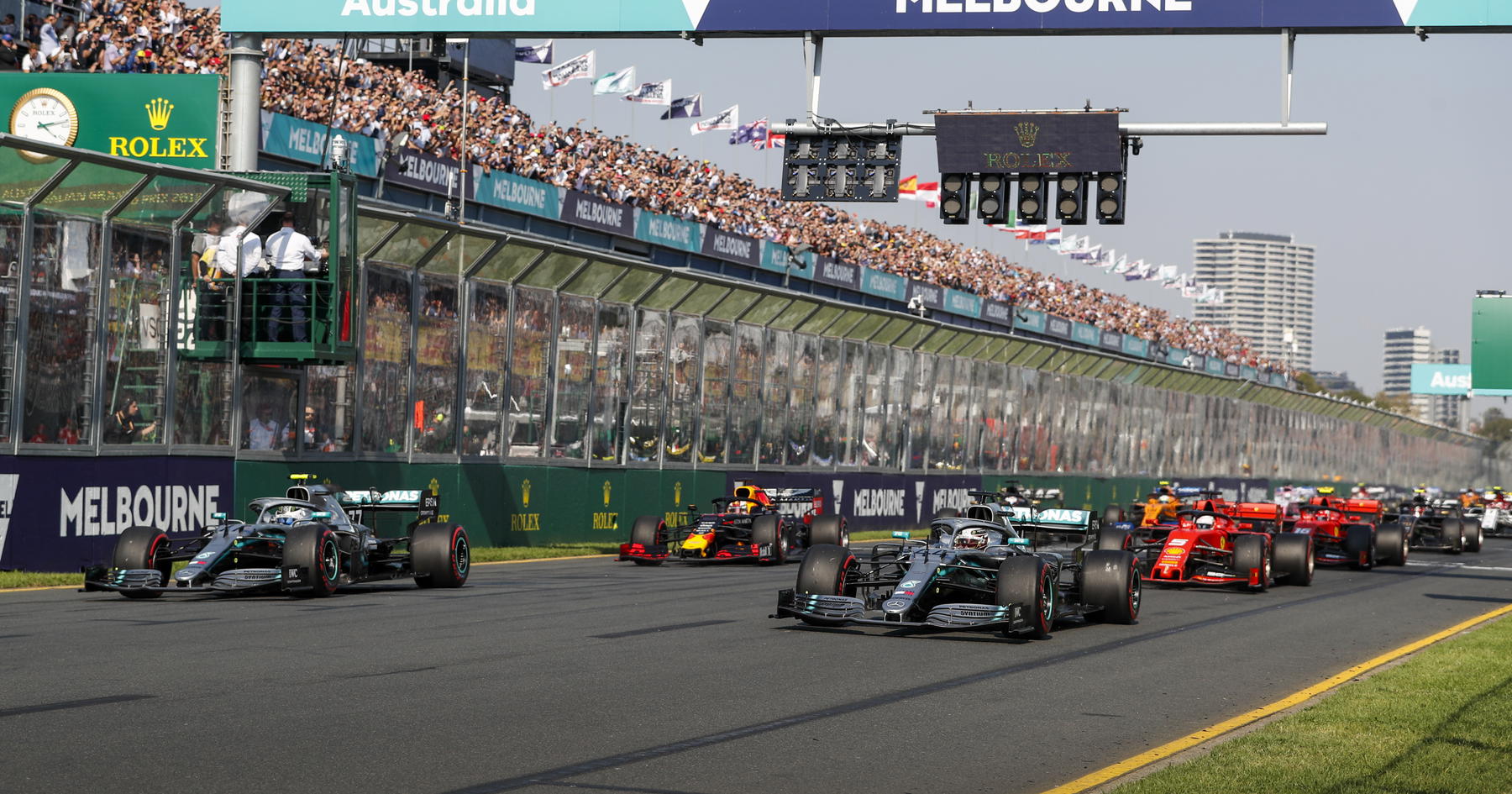
The new campaign officially begins in Melbourne at the Australian Grand Prix, with qualifying scheduled for Saturday, March 7, and the season-opening race set for March 8. As engines fire into life under the sport’s bold new regulations, all eyes will be on whether Verstappen’s dire predictions prove accurate — or whether Russell’s confidence in Formula 1’s evolution is justified.
One thing is certain: the rivalry between Russell and Verstappen is far from over. And in this new era, it may burn brighter than ever.