Gianpiero Lambiase admits ‘frustrating’ Max Verstappen ro…read more
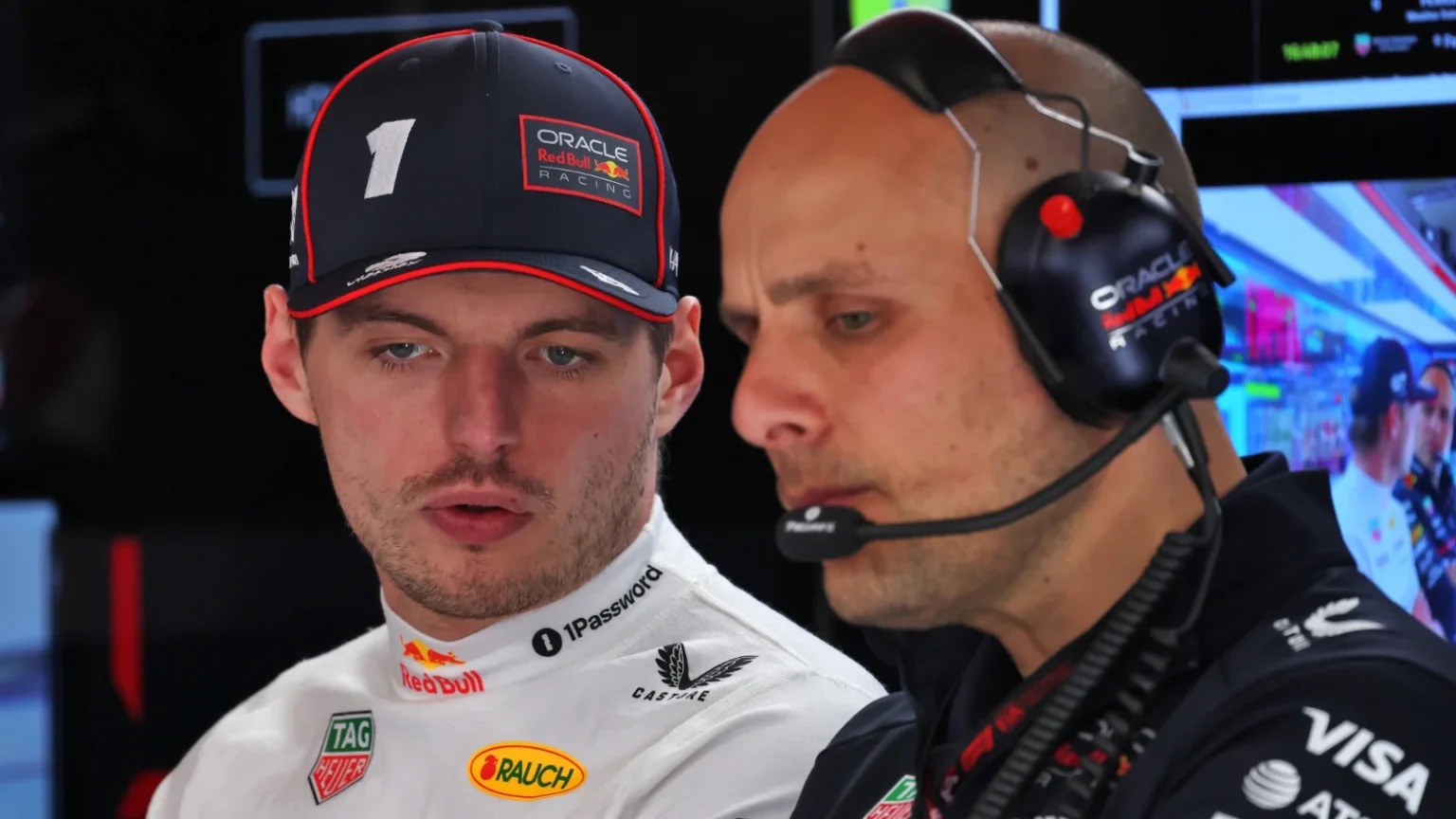
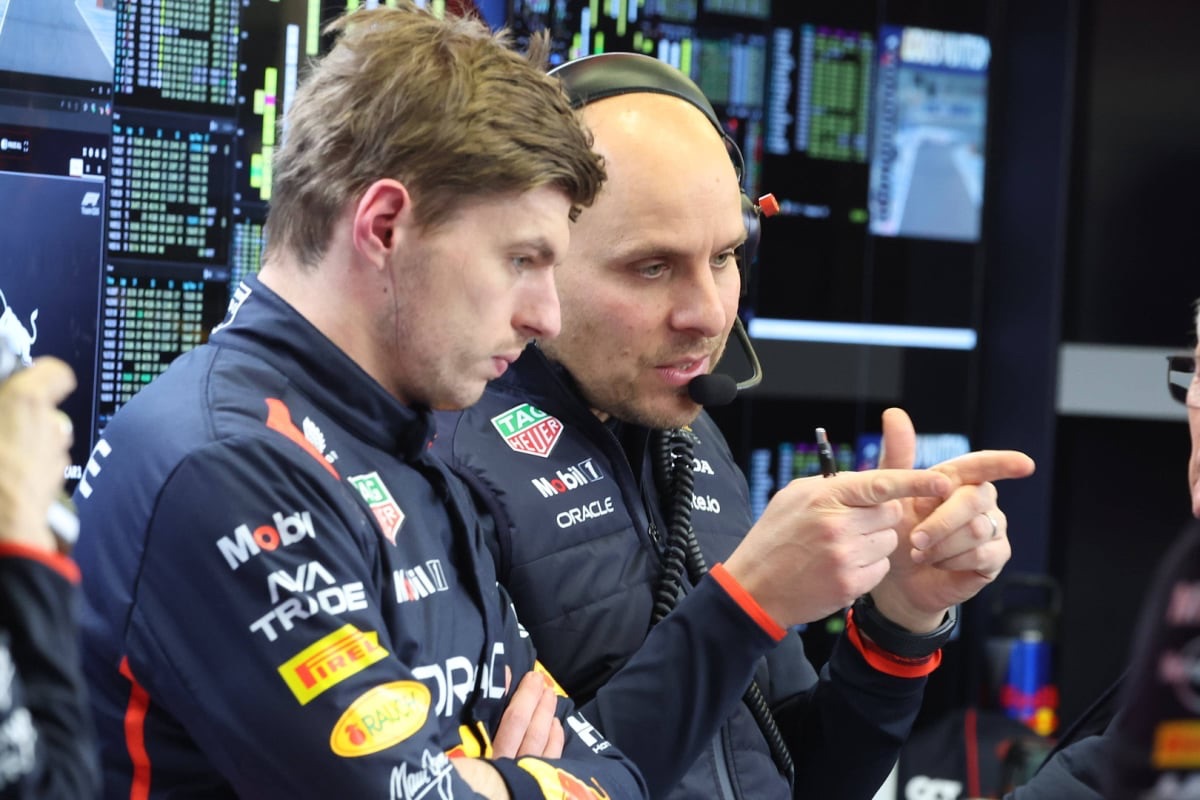
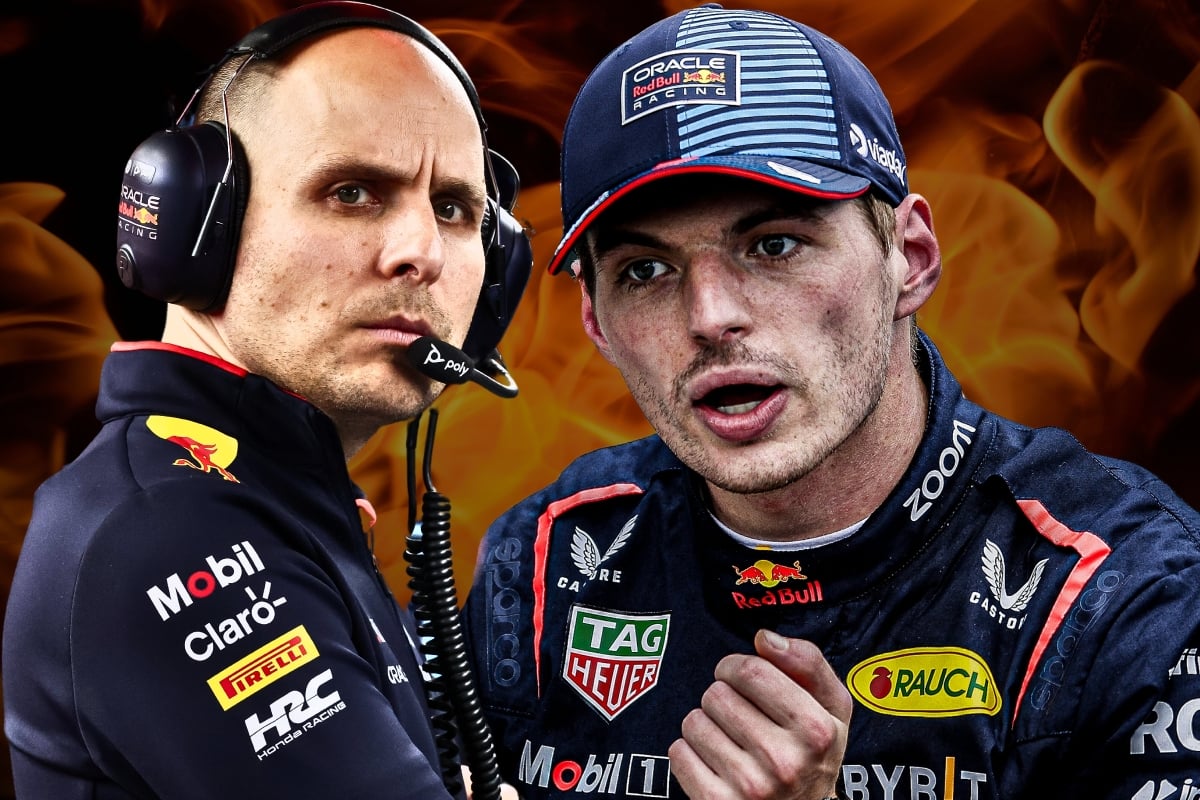
Max Verstappen’s long-time Formula 1 race engineer Gianpiero Lambiase has revealed more detail about their occasionally tense radio exchanges, admitting there are moments he deliberately holds back his true feelings during heated situations. Despite their reputation for sharp back-and-forth communication, Lambiase says maintaining composure is a crucial part of managing a driver under extreme pressure.
Lambiase, a central figure on the pit wall at Red Bull Racing, is widely recognized by fans for his measured, controlled tone over team radio — often contrasting with Verstappen’s more emotional and forceful reactions during races. Their dynamic has become one of the most recognizable driver–engineer partnerships in modern Formula 1, frequently heard during high-stress moments such as strategy disputes, traffic frustrations, and penalty debates.
In the book Pressure, written by broadcaster Simon Lazenby and 1996 world champion Damon Hill, Lambiase reflects on the challenges of communicating with a fiercely competitive driver in real time. He explains that when Verstappen pushes back strongly against instructions or information, he often sees it as a sign that his own message was not delivered clearly enough.
According to Lambiase, those moments can be personally frustrating, but he views them through a professional lens. Rather than blaming the driver, he tends to interpret resistance as a communication breakdown from the pit wall to the cockpit. In his view, the responsibility lies with the race engineer to ensure that strategy calls and explanations are understood instantly, even amid the noise and intensity of a live race.
He notes that there are times he must restrain himself from responding emotionally over the radio. Choosing the right tone is essential, because the driver is operating in what he describes as a “pressure cooker” — managing speed, tire life, competitors, and race control messages all at once. Adding emotional friction from the pit wall, he suggests, would only make performance worse rather than better.
Lambiase also reveals that the public only hears a small portion of the real conversations happening during a grand prix. While his on-air exchanges with Verstappen sound calm and controlled, discussions within the garage and on the pit wall can become far more animated. These off-air debates involve strategy choices, risk assessments, and rapid decision-making, often delivered with urgency and strong opinions from multiple team members.
However, he emphasizes that such heated discussions are not driven by hostility but by competitive focus. In a top F1 team environment, quick and honest feedback is necessary. Decisions must be grounded in data and evidence, but there also needs to be room for open disagreement. Lambiase credits the team culture at Red Bull for allowing direct, unfiltered input when it matters most.
He argues that walking on eggshells in a race environment would be counterproductive. Engineers and strategists must feel free to challenge each other and speak plainly, provided the shared goal remains race performance and driver support. That openness, he suggests, is one of the factors behind the team’s sustained success in recent seasons.
The Verstappen–Lambiase partnership has played a key role in multiple championship campaigns, built on trust, clarity, and mutual respect — even when radio messages sound blunt. While fans may focus on the tension in certain broadcasts, Lambiase’s comments underline a deeper professional bond shaped by pressure, precision, and constant adaptation at the highest level of motorsport.