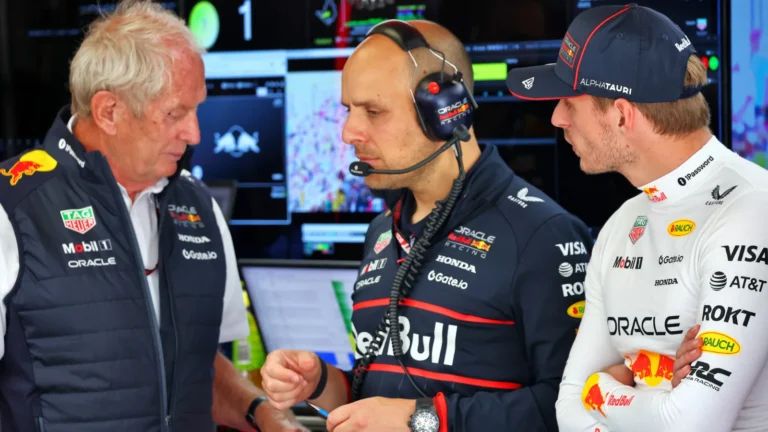
Helmut Marko Reveals Key Internal Shift Behind Red Bull’s Sudden F1 Resurgence
Red Bull’s Formula 1 revival has been nothing short of remarkable. After spending the early part of the 2025 season struggling to match the blistering pace of McLaren’s Lando Norris and Oscar Piastri, Max Verstappen and his team have turned their campaign around — and Helmut Marko has now lifted the lid on how it happened.
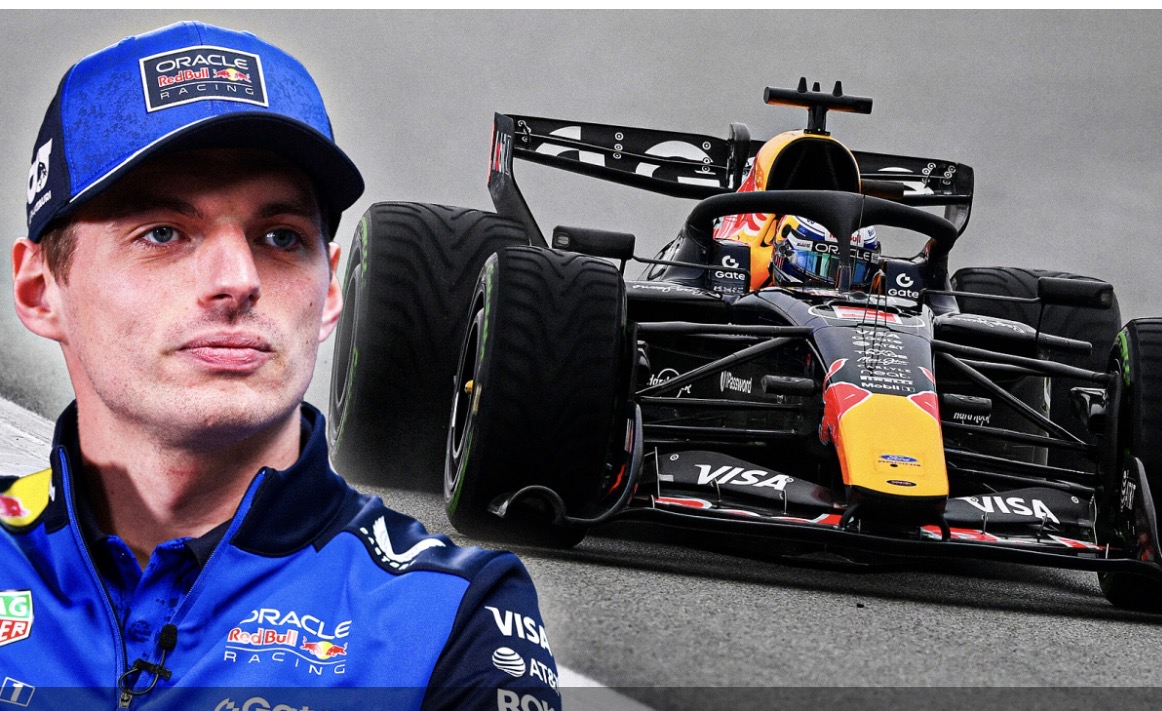
In the opening half of the year, Verstappen was visibly battling with the unpredictable RB21. The car’s narrow operating window and inconsistent balance left both Verstappen and Yuki Tsunoda frustrated, as Red Bull watched McLaren take control of the championship fight. Many feared the team had lost its technical edge that had defined its dominance during the previous seasons. But after the summer break, everything changed.
A series of crucial upgrades transformed the RB21’s performance, and Verstappen’s confidence surged. The Dutchman has since claimed three victories from the last four races, hauling himself back into championship contention and reigniting Red Bull’s hopes for both the Drivers’ and Constructors’ titles.
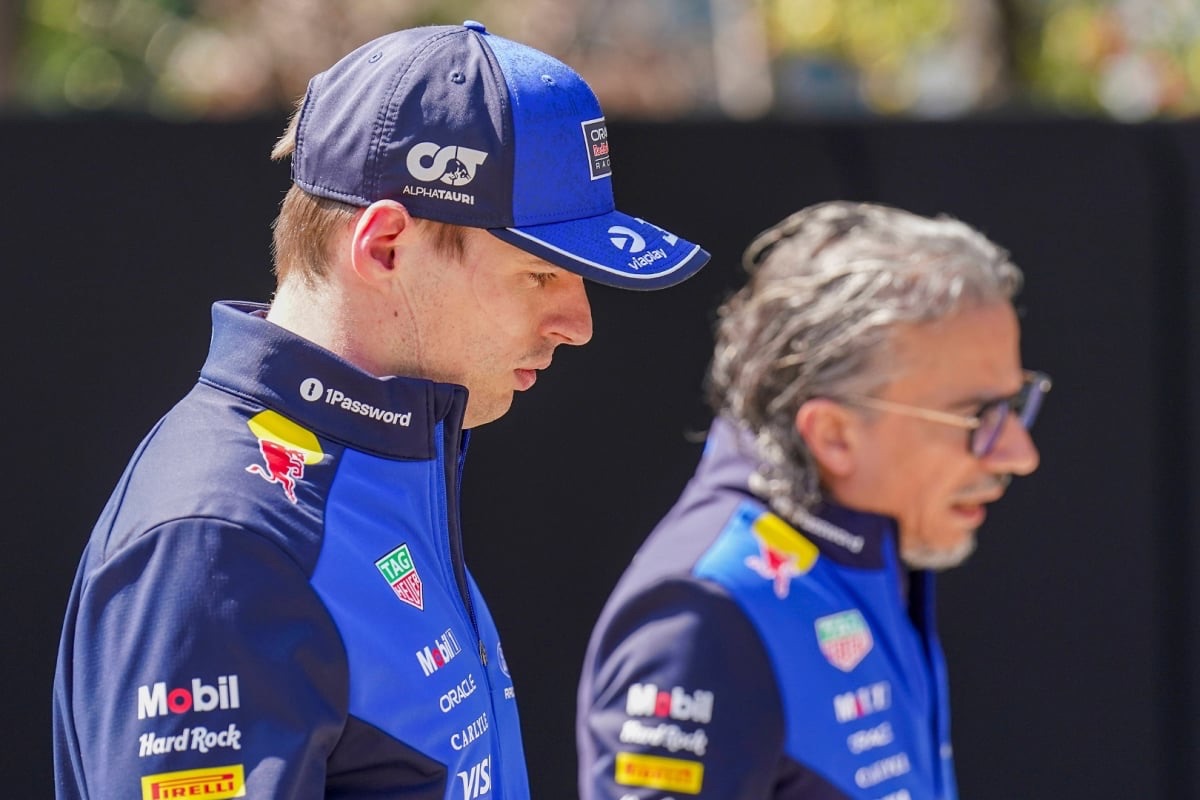
Speaking ahead of the Brazilian Grand Prix, Marko revealed to Formule 1 Magazine that the turnaround wasn’t just the result of new parts — it came from a deeper, more human change inside the team. Specifically, he credited a major behavioural shift among Red Bull’s engineering staff and Verstappen’s increasing influence in technical decision-making as pivotal to their resurgence.
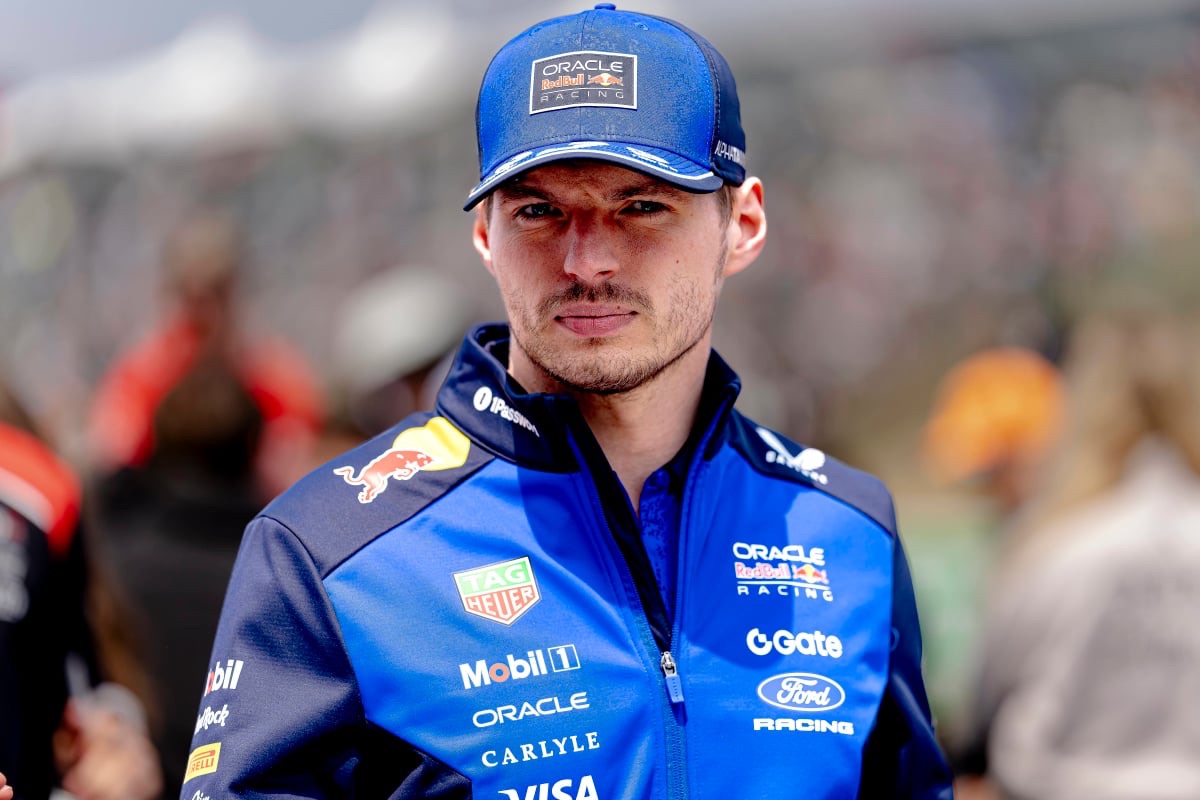
“All the changes and adjustments have come together in an optimal way,” Marko explained. “That is the reason why the car is now more competitive. Max has an important voice in the technical discussions there with his experience.”
According to Marko, Red Bull’s engineers began to alter how they approached car development and feedback analysis. In previous seasons, simulator data and computational fluid dynamics (CFD) results largely dictated the direction of upgrades. However, Marko admitted that this heavy reliance on data occasionally came at the expense of listening to the drivers — particularly Verstappen, whose intuitive feel for car behaviour is one of his greatest strengths.
“It was important that the engineers started listening to Max more,” Marko said. “They did that before, but not to the extent they do now. You know, before that it was more about numbers on the simulator or CFD. Max told the engineers what he needed, got more confidence in the car that way, and it became easier to drive.”
This change in mindset has paid immediate dividends. By giving Verstappen’s feedback greater weight, Red Bull’s engineers were able to widen the RB21’s operating window — the range of conditions in which the car performs optimally. This adjustment made the car more predictable across different tracks and weather conditions, eliminating one of its biggest weaknesses earlier in the season.
The improved synergy between Verstappen and his engineers has led to a calmer, more confident team atmosphere. Verstappen’s ability to articulate exactly what he needs from the car — and the engineers’ willingness to adapt their methods — has turned Red Bull into a more cohesive unit, capable of rapid response and continuous progress.
With McLaren still a formidable opponent, Marko knows Red Bull’s revival came just in time. The team enters the Brazilian Grand Prix with momentum and renewed belief that the championship fight is far from over.
Marko’s revelation underscores that Formula 1 success is not only about technology and data but also about trust and communication within a team. By aligning human intuition with engineering precision, Red Bull has rediscovered the magic formula that once made it unstoppable.
As the season heads toward its dramatic conclusion, all eyes will be on Verstappen and Red Bull to see if this internal transformation can propel them back to the top of the sport — proving that sometimes, the biggest victories begin not with a new part, but with a change in mindset.